9/11’s 25th Anniversary: America Reflects on Survivor Stories and Renewed Questions About Prior Intelligence
Developed over time first seen 2 months ago
This year marks the 25th anniversary of the 11 September 2001 terrorist attacks in the United States, prompting renewed public reflection on survivor accounts and lingering questions about intelligence failures ahead of the atrocity. Coverage of the milestone spans multiple angles, including cultural retrospectives such as how country music artists channelled the nation's grief, anger and unity into song in the immediate aftermath, offering insight into how Americans processed the tragedy at the time.
Hijacked aircraft struck New York's World Trade Center, the Pentagon and a field in Pennsylvania on 11 September 2001, killing 2,977 people and injuring nearly 6,000 more in the deadliest terrorist attack on American soil. Songs including Alan Jackson's "Where Were You (When the World Stopped Turning)", Toby Keith's "Courtesy of the Red, White & Blue", and Aaron Tippin's "Where the Stars and Stripes and the Eagle Fly" became touchstones for differing public reactions, ranging from quiet mourning to calls for retaliation, with several going on to top charts and win major awards.
- Sources
- 5
- Outlets
- 3
- Left · Centre · Right
- 0 · 0 · 4
In short
- 25th anniversary of 9/11 prompts reflection on survivor stories and intelligence questions
- Attacks killed 2,977 and injured nearly 6,000 across three sites
- Country songs like Jackson's and Keith's captured America's varied emotional response
How this story developed
- 2 months ago New coverage marking the 25th anniversary of the 11 September 2001 attacks turns to how country music captured America's response at the time, revisiting songs such as Alan Jackson's "Where Were You (When the World Stopped Turning)", Toby Keith's "Courtesy of the Red, White & Blue" and Aaron Tippin's "Where the Stars and Stripes and the Eagle Fly".
- 2 months ago The United States observed the 25th anniversary of the 9/11 terrorist attacks, honouring the 2,977 lives lost and nearly 6,000 injured across New York, Washington D.C., and Pennsylvania.
- 2 months ago This year marks the 25th anniversary of the 11 September 2001 terrorist attacks in the United States, prompting renewed public reflection on survivor accounts and lingering questions about intelligence failures ahead of the atrocity.
- Daily Mail Ex-congressman reveals why he’s STILL convinced US intelligence knew about the hijack plot for a YEAR before 9/11
- Fox News Former Mets pitcher Al Leiter tells his harrowing 9/11 story of a quiet trip turned tragedy
- Fox News I witnessed the horror of 9/11 firsthand. Here’s what I learned about God, courage and life
- Billboard Remembering 9/11, 25 Years Later: Songs From Alan Jackson, Toby Keith & Others That Helped Us Grieve
- Daily Mail America honours 9/11 victims on 25th anniversary of attacks
Full account
The United States marked the 25th anniversary of the 11 September 2001 attacks on Friday with commemorations in New York, Washington DC and Shanksville, Pennsylvania, the three sites where hijacked aircraft struck a quarter of a century ago. In lower Manhattan, family members gathered to read aloud the names of the 2,977 people killed, while the Oculus transport hub once again displayed its 'Wedge of Light', an architectural feature designed to let sunbeams fall across the floor between the moments the towers were hit and when they fell. In Shanksville, relatives of the 40 passengers and crew of United Flight 93 held their own service, ringing a bell for each name and folding a flag at the site where the plane came down after those aboard fought back against their hijackers. President Donald Trump did not attend the Manhattan ceremony, choosing instead to speak at the Pentagon after reportedly being told he would not be permitted to address the New York gathering.
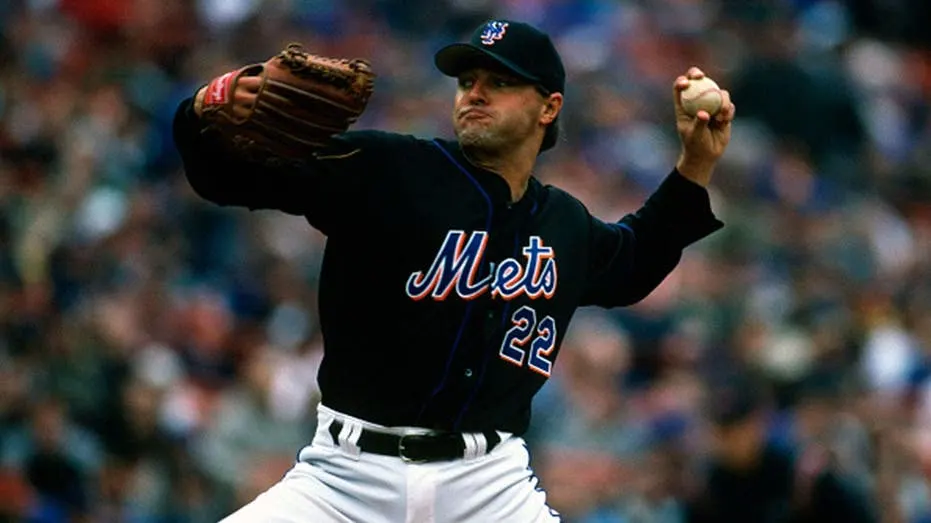
Alongside the official ceremonies, the anniversary prompted a fresh wave of personal testimony from those who lived through the day. Former Major League Baseball pitcher Al Leiter described how he had slipped away from his New York Mets team ahead of a game in Pittsburgh, without his manager's knowledge, so he could see his young daughter start first grade. He recounted sitting on the tarmac at LaGuardia Airport as reports of an incident at the World Trade Center first emerged, before airspace closures and mounting panic forced him into a frantic, aborted dash toward Philadelphia in search of an alternative flight, only realising the scale of the atrocity as news broke that the Pentagon had also been struck. In a separate first-person account, a man who had been working for a financial firm in a tower beside the World Trade Center described watching the attack unfold from his office window, then fleeing the building after the second plane hit, an experience he said prompted a religious reckoning and ultimately led him to leave a career in finance to become an FBI agent.
The anniversary also became entangled in New York City politics. New York's current mayor, Zohran Mamdani, and former mayor Rudy Giuliani were seen shaking hands outside the National September 11 Memorial and Museum, days after a public falling-out over Mamdani's attendance at the commemorations. Giuliani, who led the city on the day of the attacks, had said he found it objectionable that Mamdani, the city's first Muslim mayor, would take part, arguing his presence was unwelcome to victims' families. In response, Mamdani's administration released roughly 170,000 pages of previously confidential records, which he said showed city officials under Giuliani had known more than they disclosed at the time about the dangers posed by toxic dust and air quality around Ground Zero in the attacks' aftermath.
Separately, the anniversary revived long-running disputes over what US intelligence agencies knew before the attacks. Former Pennsylvania congressman Curt Weldon, promoting a forthcoming book, repeated claims that a classified Pentagon programme known as Able Danger had identified lead hijacker Mohamed Atta and an associated cell of operatives more than a year before 9/11, but that officials were prevented from passing that information to the FBI and other agencies. Weldon said the findings were omitted from the official 2004 report of the 9/11 Commission, and has previously linked a 2006 raid on his daughter's home, which produced no charges, to his efforts to publicise the allegations. His claims about Able Danger have been aired before and have not been substantiated by the Commission or intelligence agencies, which have pushed back on earlier versions of the account.
Where outlets differ
From the full account, which is AI-written from the sources:
The sports-focused outlet (OutKick/Fox) centred on Al Leiter's personal, logistics-heavy escape story with little wider political context, while the reflective first-person piece emphasised spiritual and emotional meaning rather than factual detail about the attacks themselves.
The Daily Mail's coverage of Mamdani and Giuliani framed the anniversary primarily through the lens of a live political feud and City Hall controversy over Ground Zero air-quality disclosures, a dimension entirely absent from the survivor-testimony sources.
The Daily Mail's separate report on Curt Weldon presented unverified, contested claims about the Able Danger programme largely from Weldon's own perspective, without independent confirmation from the 9/11 Commission or intelligence agencies, whereas the other sources did not address pre-9/11 intelligence failures at all.
Only the Daily Mail reporting noted Donald Trump's decision to mark the anniversary at the Pentagon rather than in New York, a logistical/political detail not mentioned by the other outlets.
Steelman: both sides, in good faith
The strongest fair case each way — we don't pick a winner.
The case for
Advocates of the Able Danger claims argue that the American public deserves a full accounting of pre-9/11 intelligence failures, and that credible testimony from military officers and a former congressman describing a programme that identified Mohamed Atta over a year in advance should not be dismissed simply because it is inconvenient or embarrassing to institutions. They contend that bureaucratic caution, legal restrictions on sharing military intelligence with civilian agencies, and possible reputational self-protection may have prevented actionable warnings from reaching the FBI, and that continued scrutiny honours the victims by ensuring such gaps are closed rather than quietly forgotten.
The case against
Sceptics of the renewed Able Danger claims argue that these assertions have been examined repeatedly since 2005 by the 9/11 Commission and congressional inquiries, which found the underlying evidence thin, uncorroborated, or based on unreliable recollection years after the fact. They caution that reviving unverified allegations on a solemn anniversary risks distracting from established historical fact, unfairly implicating officials who cannot adequately respond to decades-old claims, and feeding conspiratorial narratives, when the documented record already identifies genuine, well-evidenced shortcomings in pre-9/11 interagency information-sharing without needing contested claims to make that case.
Explained simply
The 11 September 2001 attacks killed 2,977 people and injured nearly 6,000 across New York, Washington D.C., and a field in Pennsylvania, after hijackers flew commercial aircraft into the World Trade Center and the Pentagon, with a fourth plane crashing before reaching its target. The 25th anniversary of that day has prompted renewed public reflection, including personal accounts from survivors and those affected, describing how the attacks altered their careers and outlook on life.
The anniversary has also revived a long-running debate over what US intelligence agencies knew before the attacks took place. Central to this is a claim, made again by a former member of Congress, that a classified Pentagon programme had identified lead hijacker Mohamed Atta and other plotters more than a year in advance, and that this information did not reach the FBI. This assertion has circulated in various forms since shortly after 2001 and remains contested.
Alongside the personal and investigative dimensions, the anniversary has also drawn attention to the cultural legacy of 9/11, including the role country music played in helping Americans process grief at the time and in shaping how later generations have come to understand the event.
Coverage · 5 sources
Bias meters
From 4 rated sources, 1 unrated.
- Fox NewsFar rightFormer Mets pitcher Al Leiter tells his harrowing 9/11 story of a quiet trip turned tragedy
- Fox NewsFar rightI witnessed the horror of 9/11 firsthand. Here’s what I learned about God, courage and life
- Daily MailRightAmerica honours 9/11 victims on 25th anniversary of attacks
- Daily MailRightEx-congressman reveals why he’s STILL convinced US intelligence knew about the hijack plot for a YEAR before 9/11
- BillboardRemembering 9/11, 25 Years Later: Songs From Alan Jackson, Toby Keith & Others That Helped Us Grieve
Americas Art Business Culture Entertainment Government Horror Markets Politics World