Science news and discussion on TalkFuse.
A sample of over 5,000 drives reveals one problem with new HDDs
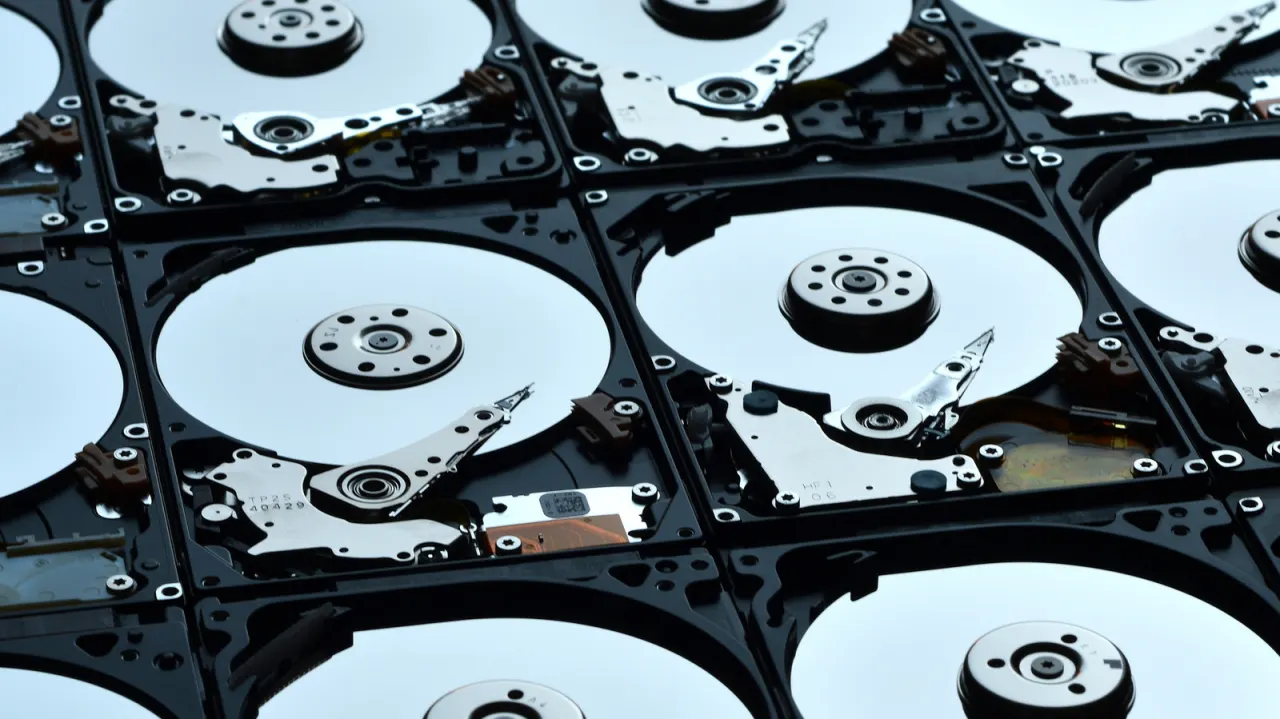
Data from large drive fleets suggests hard disk drives carry a meaningful risk of early or unexpected failure, reinforcing the need to plan for data protection. HDDs remain much cheaper per gigabyte than SSDs, particularly for high-capacity storage, so they continue to make sense where cost matters more than speed.
Backblaze says about 1.5% of its HDDs fail, with nearly half of those failures occurring in the first year and 30% happening without warning. Secure Data Recovery, analysing drives that had already failed, reports an average lifespan of 807 days; the article also says failure risk rises as drives age, especially beyond seven years. It recommends replacing ageing drives and keeping additional copies, such as cloud or off-site backups.
In short
- HDDs can fail early or without warning.
- They remain cheaper than SSDs for high-capacity storage.
- Use backups and plan for ageing drives.
Explained simply
Hard disk drives (HDDs) store data on spinning magnetic disks. They are generally slower than solid-state drives (SSDs), which use flash memory, but usually cost less per gigabyte, especially at larger capacities.
Businesses use HDDs to store large collections of files, and people may use them in computers or external storage. A failed drive can make its data inaccessible, so organisations and individuals often keep extra copies elsewhere, such as in cloud storage or at another location.
Drive failure can happen early or after years of use, and some failures come with little warning. Knowing that risk helps people weigh the lower cost of HDDs against the need to protect important data and plan for replacement.