A Tesla Flying Car? I Don’t Know, Man
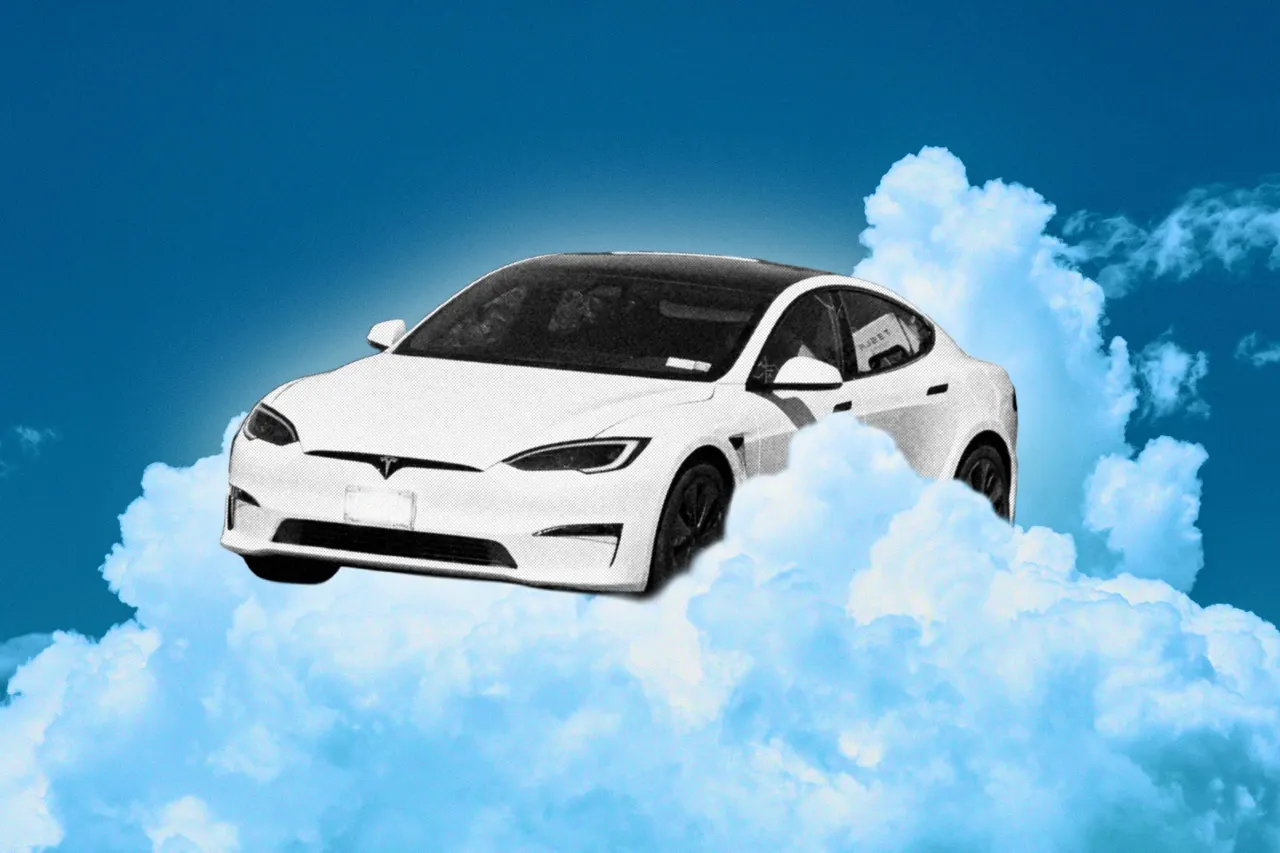
Tesla demonstrated a Roadster 2 sports car briefly lifting off the ground at a SpaceX testing facility, renewing questions about Elon Musk’s claim that it could fly. The demonstration was unmanned, and aviation experts say flying the car would require significant regulatory approval, so the idea matters as much for its legal and practical hurdles as its engineering.
Tesla expects production in 2028, though it has not announced a price. Aircraft over about 250 pounds generally need Federal Aviation Administration approval and clearance to use national airspace; certification could take at least a year, and pilots would likely need an aviation licence. Take-off and landing would also face state and local restrictions, while the challenge of making a vehicle light enough to fly remains unresolved.
- Tesla’s Roadster 2 briefly lifted off in an unmanned demonstration.
- Flying it could require FAA approval and an aviation licence.
- Production is planned for 2028, but practical hurdles remain.
New here? Start with this
Tesla is an electric car company led by Elon Musk, who also runs SpaceX, a spaceflight company. The Roadster is Tesla’s sports car, and Musk has previously said a future version might be able to fly.
A car that leaves the ground would also be treated as an aircraft under US rules. It would need safety approval from the Federal Aviation Administration and permission to use the national airspace; pilots would probably need a licence as well.
Flying cars would also have to meet rules on where they can take off and land, which vary by state and local area. Their design must balance the weight needed for road use with the need to be light enough to fly, making both practical use and regulation central to the idea.
Both sides, in good faith
The strongest fair case each way — we don't pick a winner.
The case for
If the Roadster can be engineered to fly safely, it could extend personal transport in useful ways and showcase advances in vehicle and aircraft technology. Supporters may argue that ambitious prototypes can spur innovation, while existing aviation rules and licensing offer a path to manage risks as the concept is tested.
The case against
A flying car would introduce risks beyond ordinary road travel, including crashes in shared airspace, and the reported demonstration does not establish that a person could safely operate it. Critics may argue that certification, pilot training, weight constraints and restrictions on take-off and landing make practical use uncertain, so claims about production should be treated cautiously.