Disney sues FCC alleging regulatory pressure restricted The View candidate bookings
Developed over time first seen 2 months ago
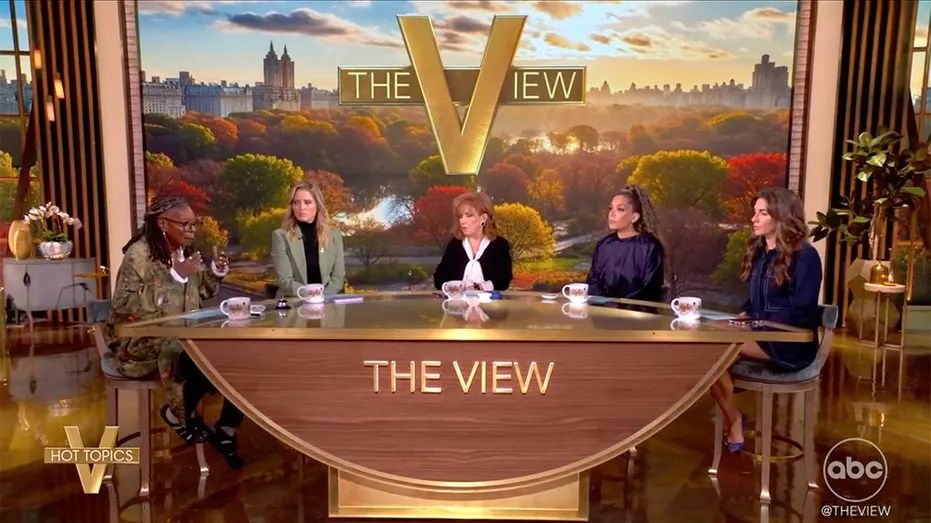
Disney has filed a First Amendment lawsuit against the US Federal Communications Commission (FCC), alleging that regulatory pressure from the agency forced ABC to become more cautious about which political candidates and topics it books on "The View". The complaint forms part of a wider legal challenge in which Disney accuses the FCC of waging a "retaliatory campaign against ABC" and seeks to block the regulator from pursuing early licence renewal proceedings against the network, raising broader questions about press freedom and regulatory overreach in the United States.
The lawsuit claims the daytime talk show has had to be "more circumspect" in its content and guest bookings because of the FCC's scrutiny, which Disney says risks chilling editorial independence at the network. FCC Chairman Brendan Carr publicly rejected the suit as "meritless" in comments to Fox News Digital, and no further developments in the case have since emerged, leaving the dispute to play out through the courts.
- Disney sues FCC, alleging pressure curbed "The View" candidate bookings
- Suit also seeks to block early ABC licence renewal proceedings
- FCC Chair Brendan Carr calls the lawsuit "meritless"
New here? Start with this
Disney has taken the Federal Communications Commission (FCC) to court, arguing that regulatory pressure on ABC has made the daytime chat show "The View" warier about which political candidates and topics it puts on air. The FCC oversees broadcast licences in the US, and Disney claims the regulator has been leaning on ABC in a way that amounts to a "retaliatory campaign", which Disney says breaches free speech protections.
The dispute centres on the FCC's power to review and renew broadcast licences, which Disney says is being used to pressure the network rather than for routine regulatory purposes. FCC Chairman Brendan Carr, who leads the agency, has rejected the accusation as "meritless" and denies the FCC has acted improperly.
The case matters because it touches on how much influence a government regulator can exert over a broadcaster's editorial choices, including who appears on its programmes, and raises wider questions about press freedom and the limits of regulatory oversight in the United States.
Both sides, in good faith
The strongest fair case each way — we don't pick a winner.
The case for
Advocates for Disney's position would argue that a regulator threatening a broadcaster's licence renewal creates an unmistakable chilling effect, regardless of whether any formal sanction is ever imposed; the mere prospect of losing a licence can quietly reshape editorial choices, from which candidates appear on air to which topics are raised. They would say the First Amendment exists precisely to guard against this kind of indirect pressure, since a government agency need not censor outright if it can achieve the same result by making broadcasters fearful of scrutiny. On this view, pursuing legal action is a legitimate and necessary defence of press independence, ensuring that licensing power cannot be used, even implicitly, to influence programming decisions on a talk show that regularly hosts political discussion.
The case against
Those sympathetic to the FCC's position would argue that regulators are entitled to examine whether broadcasters are meeting their public-interest and licensing obligations, and that opening a review process is not, by itself, evidence of retaliation or coercion. They would contend that Disney's claim rests on an inference, that scrutiny caused self-censorship, which is difficult to prove and which broadcasters could invoke too readily to resist any regulatory oversight of content decisions. Chairman Carr's dismissal of the suit reflects a view that the commission is exercising its ordinary statutory functions, and that treating routine or lawful regulatory processes as inherently chilling risks placing broadcasters' editorial choices effectively beyond any oversight, even where genuine questions about licence compliance exist.
More coverage
Americas Elections Politics World
Read the full article at the source →
Originally published by Fox News as “ABC more cautious of booking candidates on ‘The View’ amid FCC pressure, Disney’s First Amendment lawsuit says”.