Politics news and discussion on TalkFuse.
Abdul El-Sayed Won His Senate Seat With a Mandate on Palestine. Can He Deliver?
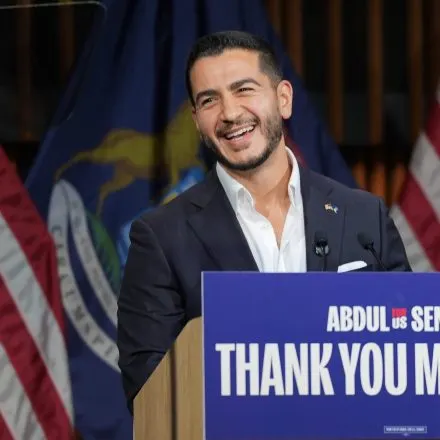
Abdul El-Sayed was elected to the US Senate from Michigan after campaigning on ending US support for Israel’s war in Gaza. His victory gives a prominent voice to pro-Palestinian voters, but turning his pledges into policy will be difficult: he is a first-term senator with little seniority, and may face pressure from Democratic leaders and colleagues who support close ties with Israel.
He could push for votes to block weapons sales and other security assistance, using a Senate procedure that Bernie Sanders has employed, though his efforts have so far failed. Recent measures drew broad support from Democrats, who are set to hold the Senate majority. El-Sayed will also need to balance his Palestine platform with economic priorities such as the cost of living and Medicare for All; the article reports that he defeated Republican Mike Rogers by seven percentage points.
In short
- El-Sayed won Michigan’s Senate seat on a pro-Palestinian platform.
- He could seek votes to block US weapons sales to Israel.
- Party leadership and economic priorities may constrain his agenda.
Steelman: both sides, in good faith
The strongest fair case each way — we don't pick a winner.
The case for
El-Sayed’s election gives voters who oppose US support for Israel’s war in Gaza a representative with a clear mandate to challenge arms sales and security assistance. Even if votes to block them fail, raising the issue in the Senate could press colleagues to explain their positions and keep Palestinian rights and civilian protection in debate.
The case against
A senator’s mandate must be pursued within a chamber where policy depends on building coalitions, and El-Sayed’s limited seniority may constrain his influence. Opponents of his approach can argue that maintaining close US ties and security assistance to Israel serves strategic interests, and that he should also address the economic and health-care priorities that helped voters choose him.
Government Middle East Politics World