ACLU Demands FCC Release Records Pertaining to ABC Early License Renewal, Alleging Agency’s Stated Rationale for Review ‘Does Not Seem Credible’
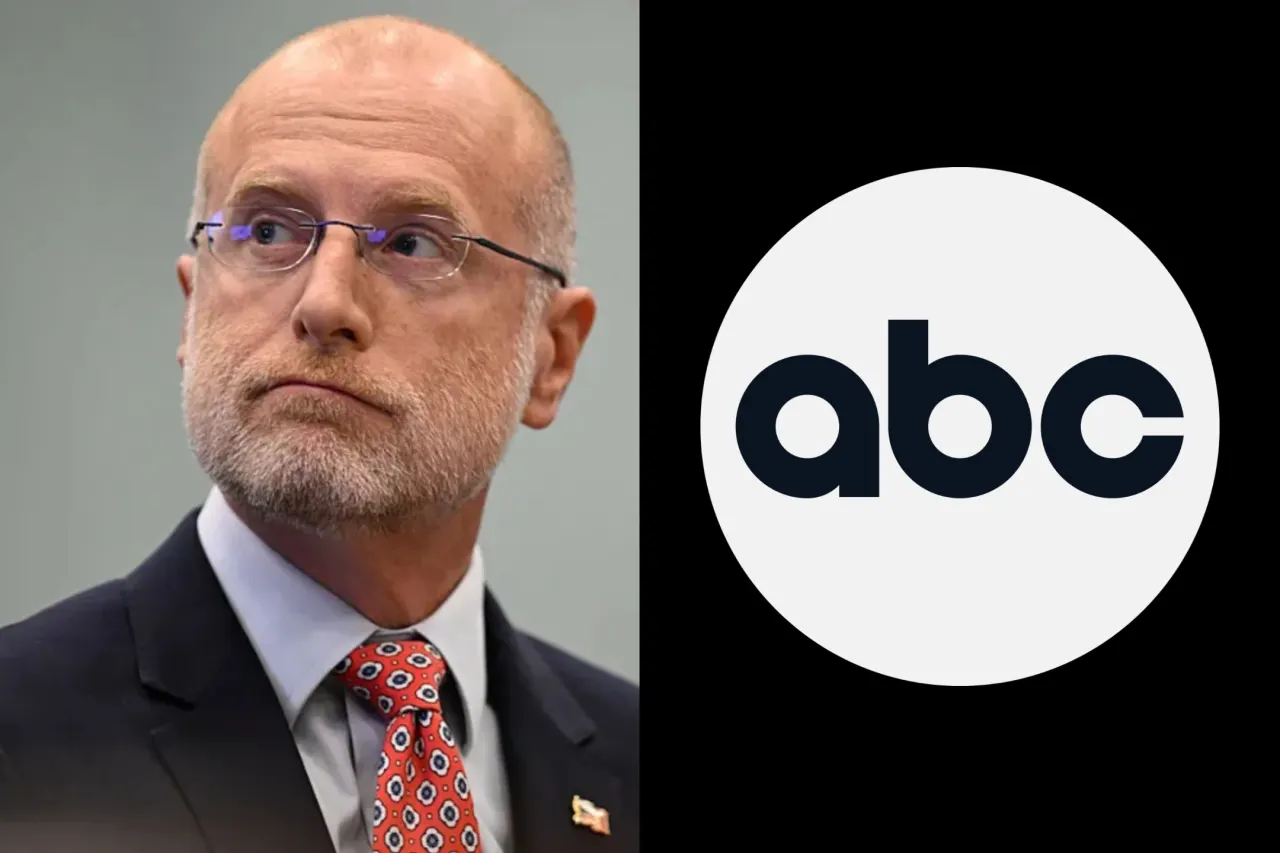
The American Civil Liberties Union has filed a Freedom of Information Act request demanding the Federal Communications Commission release records explaining why it ordered Disney's eight ABC-owned television stations to renew their broadcast licenses early. The ACLU argues the FCC's official justification does not seem credible and suspects the agency is illegally retaliating against ABC over content the Trump administration disliked, while also seeking to intimidate other broadcasters into avoiding similar coverage.
The FCC's Media Bureau ordered the early license renewals on 28 April, one day after Donald and Melania Trump publicly criticised a joke about the First Lady made on Jimmy Kimmel's ABC show. The agency has said the move relates to enforcing "public interest" standards and stems from a probe into Disney/ABC's diversity, equity and inclusion practices, but ABC and several former FCC chairs have dismissed this explanation as pretextual. The FCC has also opened a separate review into whether "The View" should be exempt from equal-time rules for political candidates, and both the FCC and ABC have been approached for comment.
In short
- ACLU filed a FOIA request over ABC's forced early licence renewal
- Group alleges the FCC's stated reason is not credible
- Move followed Trump family criticism of a Jimmy Kimmel joke
Steelman: both sides, in good faith
The strongest fair case each way — we don't pick a winner.
The case for
The ACLU's concerns warrant serious consideration because regulatory agencies wielding authority over media licences represent a genuine threat to press freedom if exercised selectively. The FCC's explanation—attributing the early renewal to DEI scrutiny—seems conveniently timed, arriving merely a day after Trump's criticism of ABC's content, with former FCC chairs questioning its credibility. If government can use licensing authority to punish disfavoured coverage, it undermines democratic governance and creates a chilling effect on journalism.
The case against
The FCC possesses legitimate statutory authority to review broadcast licences on public interest grounds, and examining whether stations meet their obligations regarding diversity and inclusion is a reasonable regulatory function. Whilst the timing appears coincidental, correlation does not establish causation—the review process may have commenced months earlier, and news events frequently align by chance. Without concrete evidence of unlawful retaliation, assuming malice in routine regulatory action based solely on timing sets a problematic precedent that could inhibit legitimate oversight.
Explained simply
The Federal Communications Commission (FCC) regulates US radio and television broadcasters, which must hold licences to use the airwaves. ABC is a television network owned by Disney; its local stations hold those licences and are subject to rules requiring them to serve the public interest.
The First Amendment to the US Constitution protects freedom of speech and the press, while federal law gives the FCC authority to oversee broadcast licences. Disputes can arise over how that authority is used, particularly when government action follows criticism of a broadcaster’s content. The American Civil Liberties Union (ACLU) is a non-profit organisation that uses legal action and public records requests to examine government conduct.
The Freedom of Information Act allows people to request records from federal agencies, subject to exemptions. The records sought could help clarify the FCC’s reasons for its action and inform debate over the limits of its role and protections for broadcasters.