Entertainment news and discussion on TalkFuse.
Activision should ditch the Call of Duty movie and bring back its absurd celeb fest where Will Arnett went on a quest to find his own junk
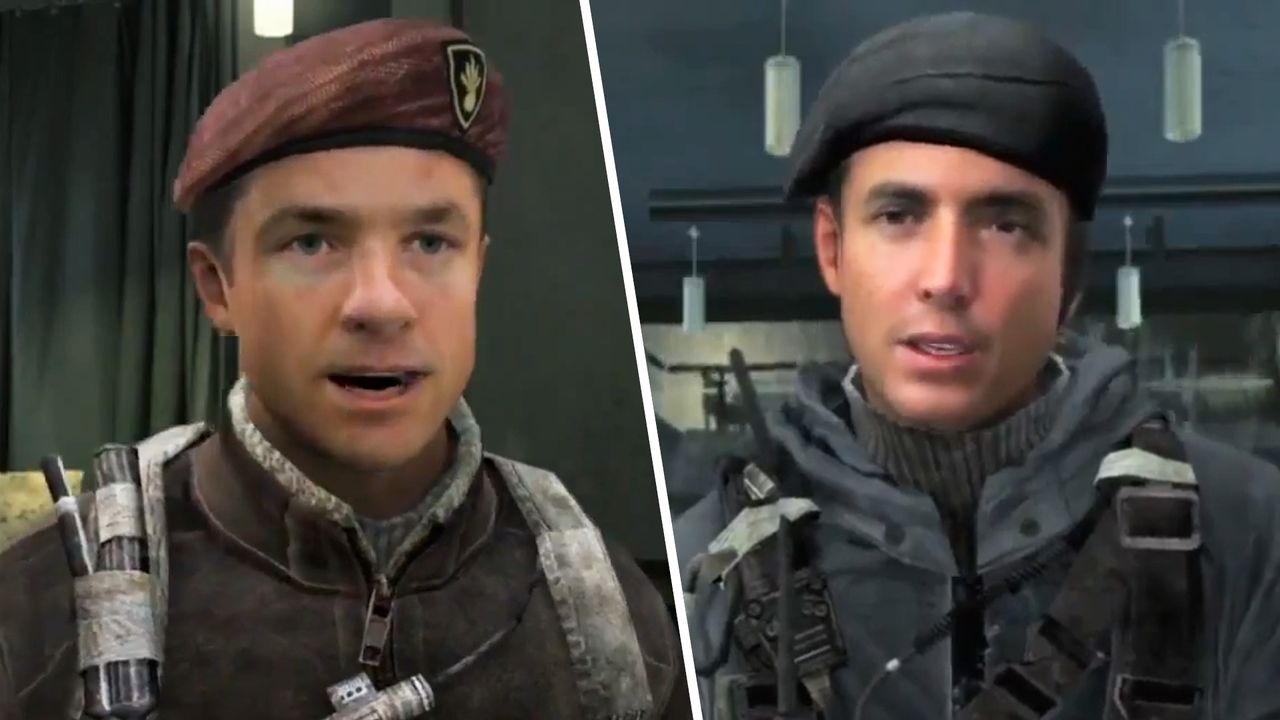
Activision's announcement of a Call of Duty film adaptation has prompted reflection on the franchise's earlier multimedia ventures. In 2011, the company launched Call of Duty Elite, a $50 annual subscription service designed as a social network platform that bundled monthly DLC, exclusive content, and three original video series featuring established entertainment figures including Will Arnett, Jason Bateman, Andrew Santino, and Oscar-winning directors Ridley and Tony Scott.
The author contrasts this decentralised, celebrity-focused video content strategy with the current movie adaptation approach. Rather than a single film project, the historical model created multiple entertainment entry points and leveraged well-known personalities to build engagement around the franchise. The piece implies that the upcoming film—helmed by the director of Battleship and centred on Modern Warfare—represents a narrower, potentially less effective multimedia strategy than the varied video series approach that characterised Call of Duty Elite.
In short
- Activision is adapting Call of Duty into a movie directed by the Battleship filmmaker, set in Modern Warfare
- The author recalls Call of Duty Elite (2011), a subscription service that featured three celebrity-driven video series with personalities like Will Arnett and Ridley Scott
- The piece suggests the franchise's previous multimedia strategy was more engaging than the current film adaptation approach
Steelman: both sides, in good faith
The strongest fair case each way — we don't pick a winner.
The case for
The decentralised approach of Call of Duty Elite demonstrated how varied, celebrity-fronted content could build community engagement across multiple entry points rather than betting everything on a single film project. Multiple series with different tones and personalities allowed the franchise to reach diverse audiences and could be produced with greater creative flexibility and lower individual risk, whilst the absurdist, character-driven narratives offered a distinctively entertaining tone that fostered organic engagement through dedicated platform integration.
The case against
A major theatrical or prestige streaming film offers unprecedented cultural legitimacy and reach that cannot be achieved through distributed video content, elevating Call of Duty beyond the gaming community into mainstream consciousness. Hollywood's established distribution and marketing infrastructure provides far greater visibility, whilst a coherent narrative film allows deeper character development and the kind of high-profile production values that generate significant media attention and function as cultural events with lasting impact—something the Elite subscription model ultimately failed to sustain.
Explained simply
Call of Duty is one of the world's most popular first-person shooter video game franchises. The company has long sought to expand the brand into different entertainment formats beyond gaming.
In 2011, Activision created Call of Duty Elite, a $50 annual subscription service that combined exclusive gaming content with three original video series. These series featured prominent actors and filmmakers including Will Arnett, Jason Bateman, Andrew Santino, and directors Ridley Scott and Tony Scott, offering fans multiple entertainment experiences connected to the franchise.
Activision's approach to expanding the franchise has changed. Rather than creating varied video content with celebrity personalities, the company is now pursuing a feature film adaptation directed by the filmmaker behind Battleship and centred on the Modern Warfare storyline.
Call of Duty Entertainment Film Gaming