World news and discussion on TalkFuse.
After a blue wave, Trump will dig in his heels. We must be more vigilant than ever | Steve Cohen and Michael Shank
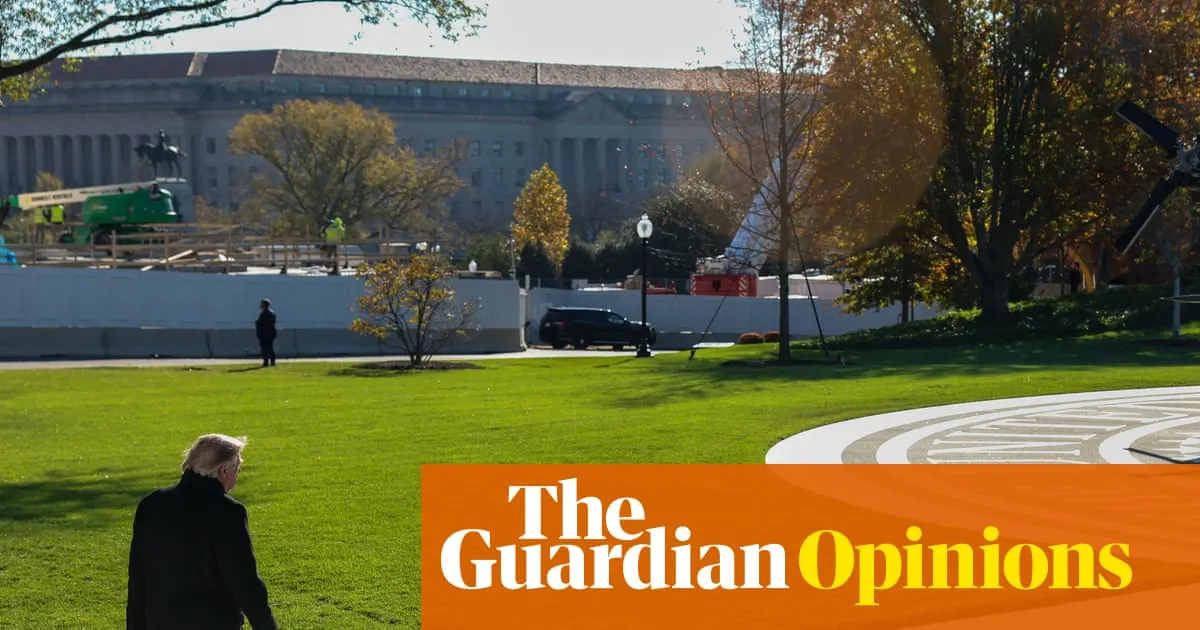
The authors argue that Democrats’ gains in the US midterm elections do not end the threat to democratic institutions. They say the Trump administration may respond to the loss of congressional control by using executive powers more aggressively, making continued public and institutional vigilance necessary.
They cite recent efforts to cast doubt on election legitimacy, restrict mail-in voting and influence ballot handling, and warn these tactics could intensify. They call on state and local officials and community networks to stay prepared, while urging the incoming Congress to uphold its constitutional responsibilities and support a peaceful transfer of power. They also argue that strengthening local governance and community ties is essential for long-term resilience.
In short
- Democratic gains do not end risks to US institutions.
- The authors warn executive actions could intensify.
- They call for sustained local and congressional vigilance.
Steelman: both sides, in good faith
The strongest fair case each way — we don't pick a winner.
The case for
The authors’ case is that electoral gains do not by themselves protect democratic institutions: an administration facing divided government may still use executive authority in ways that weaken confidence in elections or constrain voting. They argue that preparation by public officials and communities, alongside Congress’s constitutional oversight and support for a peaceful transfer of power, can help safeguard democratic processes.
The case against
A reasonable counterargument is that warnings of intensified executive action should be grounded in specific evidence and should not treat contested election policies as proof of an impending threat to democracy. Supporters of a strong executive could argue that administrations may lawfully pursue their policies within existing powers, while Congress, courts, and state governments provide checks; community resilience matters, but alarmist framing could deepen distrust and polarisation.
Explained simply
The US midterm elections choose members of Congress halfway through a president’s four-year term. Congress makes federal laws and oversees the executive branch, so a change in control can affect how closely a president’s administration is scrutinised.
The authors are Steve Cohen and Michael Shank, who argue that election gains alone cannot protect democratic institutions. Their concerns include disputes over election results and changes to voting and ballot procedures, which involve federal, state and local officials.
The debate matters because the US Constitution divides power among elected institutions, while elections depend on public confidence and orderly procedures. The authors call for Congress, local authorities and community groups to remain prepared and support a peaceful transfer of power.
Americas Elections Government Politics World