Reich argues liability law could curb climate and AI risks
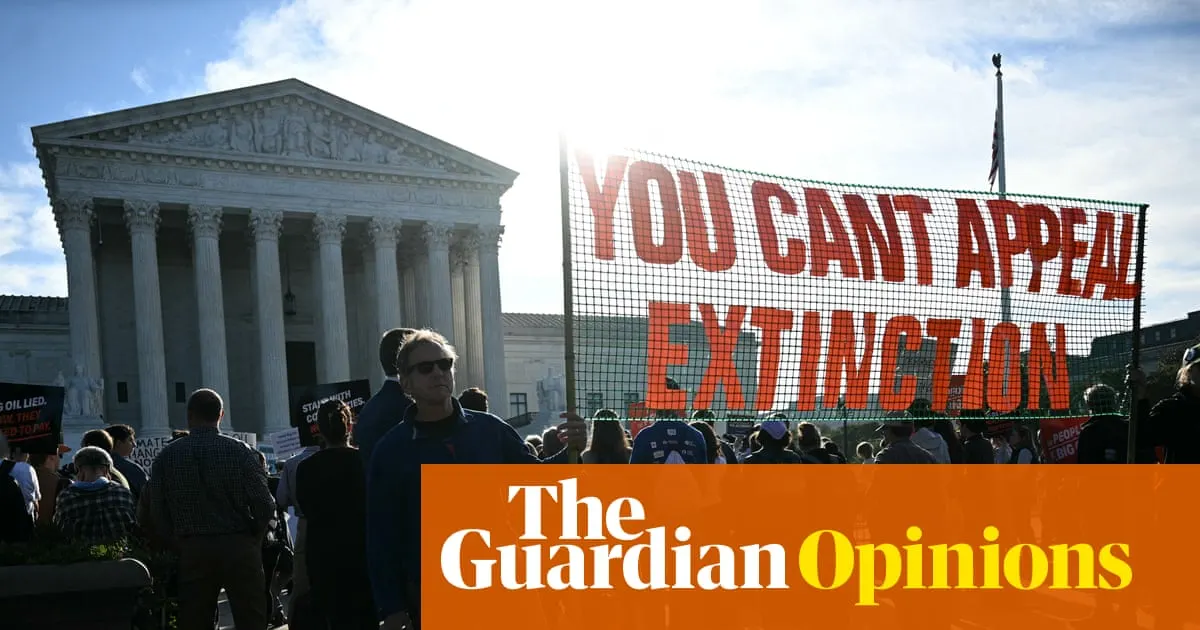
Robert Reich argues that liability law could help address the risks posed by climate change and artificial intelligence when governments fail to protect the public. He says companies whose actions or negligence cause serious harm could face large claims, giving investors and insurers a financial reason to press for stronger safety measures.
The article centres on a US Supreme Court case brought by Colorado localities against oil companies Suncor and ExxonMobil, one of roughly three dozen similar climate lawsuits. Several justices questioned whether the Clean Air Act bars such claims, while Chief Justice John Roberts compared them with cases against tobacco and opioid companies. Reich cites the tobacco settlement, worth about $423bn in today’s dollars, and argues that potential AI-related damages could also reach tens or hundreds of billions.
- Liability lawsuits could make companies bear the costs of public harm.
- US justices questioned oil companies’ bid to block climate claims.
- Reich says AI safety risks could expose firms to enormous payouts.
New here? Start with this
Robert Reich has proposed using liability law to address risks from climate change and artificial intelligence. He argues that when companies' actions or negligence cause serious harm, they could face large financial claims. This would give investors and insurers financial incentives to push for stronger safety measures within companies, even when governments have not introduced regulations.
This concept is being tested in a US Supreme Court case where Colorado localities are suing oil companies Suncor and ExxonMobil over climate damage. There are roughly three dozen similar lawsuits under way. The justices are considering whether existing environmental law permits such claims, with comparisons being drawn to previous major settlements against tobacco and opioid companies.
The potential consequences could be substantial. The tobacco industry settlement was worth approximately $423 billion in today's money. Reich argues that liability claims related to artificial intelligence could eventually reach similar sums. If courts permit these lawsuits to proceed, companies that fail to address climate and AI risks would face significant financial consequences, potentially affecting their business decisions even without direct government regulation.
Both sides, in good faith
The strongest fair case each way — we don't pick a winner.
The case for
Proponents of liability-based regulation argue that when government oversight proves inadequate, holding companies legally accountable creates powerful financial incentives for safer practices. Investors and insurers, facing potentially enormous exposure, effectively become private regulators, pressing firms to adopt stricter standards and internalise environmental or safety costs they would otherwise impose on society. The tobacco settlement demonstrates this mechanism's effectiveness: comparable damages for climate and AI harms could drive fundamental behavioural change and benefit affected communities through both compensation and prevention.
The case against
Critics contend that liability law, designed to compensate victims of specific wrongs, is poorly suited to managing systemic risks or setting regulatory policy. Courts lack democratic accountability and technical expertise, yet would determine sprawling questions about climate causation and AI safety through litigation rather than deliberative governance. Retroactively imposing massive damages for once-legal activities raises fairness concerns, whilst unpredictable mega-settlements could chill beneficial innovation, including clean-energy development. Direct regulation through democratic institutions better serves both public safety and legitimate government processes.
AI Business Climate Government Politics Science Technology
Read the full article at the source →
Originally published by The Guardian as “AI and the climate crisis pose existential risks. The law offers a way to reduce them | Robert Reich”.