Royal Mail used AI to recreate voice of late BBC and Paddington audiobooks narrator Paul Vaughan in Christmas ad, claims daughter
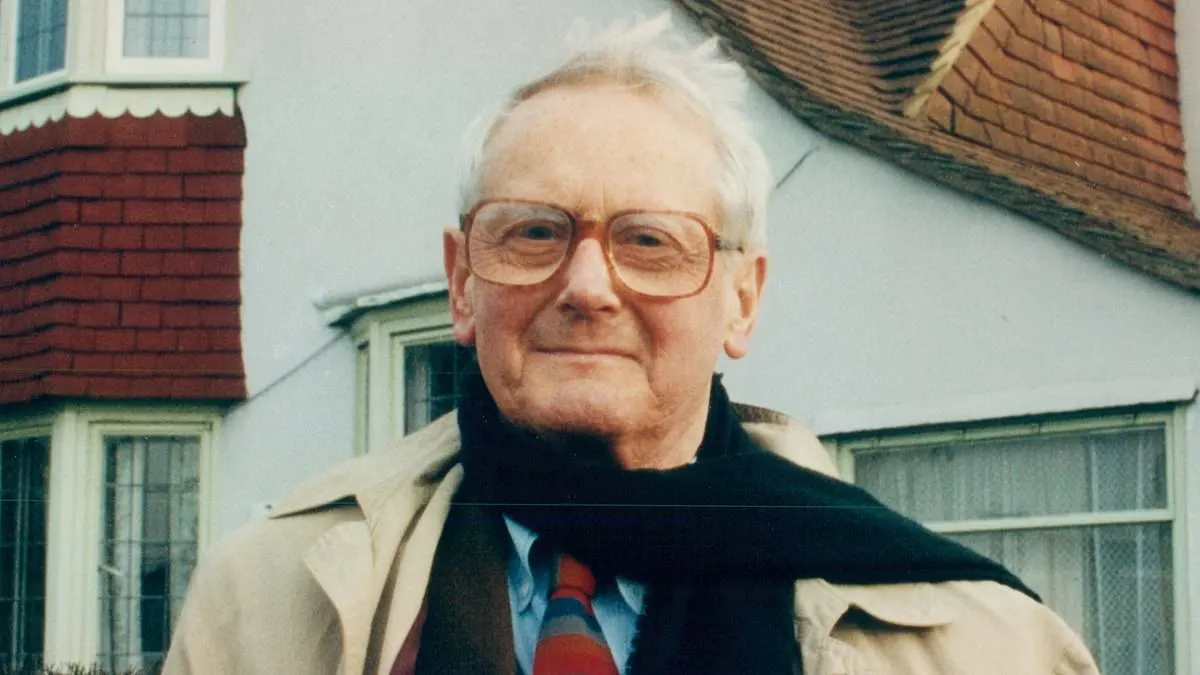
Paul Vaughan’s family say a Royal Mail Christmas advert sounded like the late BBC broadcaster and audiobook narrator, and accuse the company of recreating his voice with AI without their permission. The dispute raises questions about consent and the use of AI-generated voices in advertising.
Vaughan, who died aged 89 in 2014, narrated BBC programmes including *Horizon* from 1968 to 1995 and voiced Paddington Bear audiobooks. His daughter Lucy Wynne said she was shocked to hear the advert, and believes her father would have objected to AI taking work from voiceover artists. A forensic speech scientist cited considerable phonetic similarities, while Royal Mail said the AI voice was made from prompts, was not intended to imitate anyone in particular, and passed checks by its production partners.
- Vaughan’s family say a Royal Mail ad sounded like his voice.
- The company says the AI voice was not meant to imitate anyone.
- A speech scientist found considerable phonetic similarities.
New here? Start with this
Paul Vaughan was a respected BBC broadcaster and narrator who died in 2014 aged 89. For nearly 30 years, he narrated the science documentary series Horizon, and he also provided the voice for Paddington Bear in audiobook recordings.
Recent developments in artificial intelligence have made it possible to generate synthetic voices that closely resemble real people. This technology raises questions about who controls someone's voice, and whether companies can recreate the voices of deceased individuals for commercial purposes without permission from their families.
A Royal Mail Christmas advertisement has become a focal point for these wider concerns about AI-generated voices. The case highlights tensions between technological capability and questions of consent, the use of people's voices in advertising, and the future of professional voiceover work.
Both sides, in good faith
The strongest fair case each way — we don't pick a winner.
The case for
Paul Vaughan's voice was the product of a lifetime spent building a distinctive, recognisable identity as a beloved BBC narrator, and his family contends that reproducing it for commercial purposes without their knowledge or consent violates his dignity and memory. Beyond the personal harm, critics worry about the broader implications: if companies can generate AI versions of famous voices without permission, it undermines both the livelihoods of human voice actors and the principle that people's estates should control their distinctive characteristics. The forensic analysis suggesting considerable phonetic similarities strengthens their argument that this was not merely coincidental.
The case against
Royal Mail maintains a reasonable distinction between deliberately recreating someone's voice and generating an AI voice through prompts that happens to sound similar. The company argues the voice was created from general prompts rather than through direct imitation or sampling of Vaughan's actual recordings, and that it satisfied ethical checks by production partners. Holding companies liable for every AI-generated voice that sounds vaguely like a deceased person would impose an unreasonably restrictive standard that could effectively prohibit commercial AI voice generation—an outcome that hampers legitimate technological development. If the similarity is coincidental rather than intentional, attributing wrongdoing sets a problematic precedent for AI speech regulation.