AI-Generated Hot Girls Are Ripping Off Comedians to Boost Their Horny Content
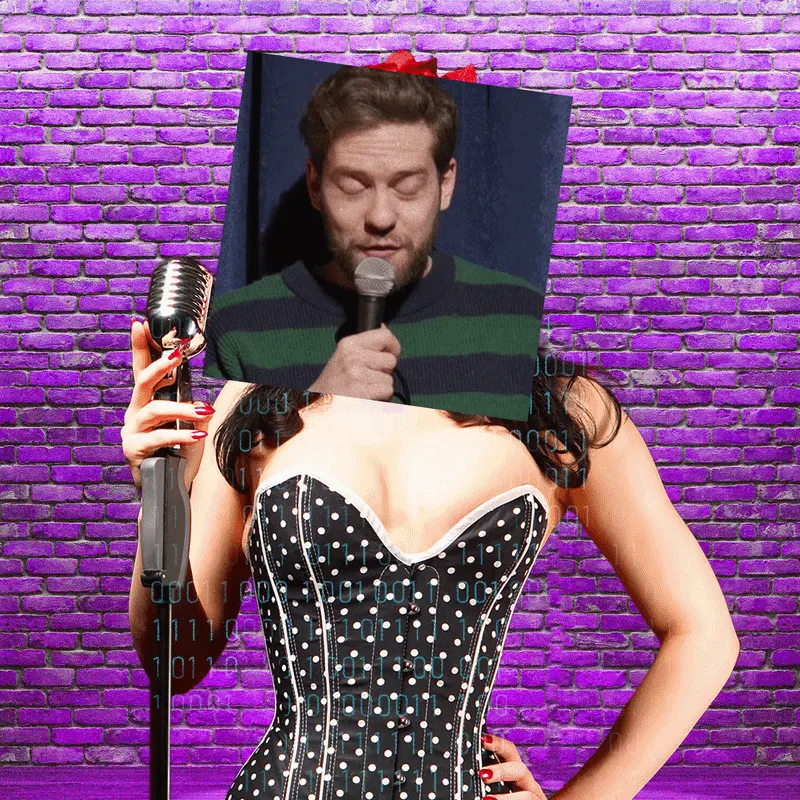
AI-generated influencer accounts are copying stand-up comedians’ jokes and using them in sexualised videos to attract audiences and promote paid content. Comedians say the unauthorised reuse is upsetting and can bring the copied material to larger audiences, while platform rules leave gaps around copying work that is not protected by copyright.
Comedian Julia Jasunas found her joke reproduced word for word by an account called Aylen Skye, which has 250,000 Instagram followers and links to adult content on Fanvue. WIRED identified eight comedians whose viral clips had been replicated by AI-generated women; some copies performed better than the originals. Instagram requires certain AI content to be labelled and prohibits impersonation, but its rules do not generally prohibit copying others’ material, and labels on the accounts’ videos are inconsistent.
- AI-generated accounts are copying comedians’ viral jokes.
- One account has 250,000 Instagram followers.
- Comedians want stronger protections for original work.
New here? Start with this
AI-generated influencers are fictional online personas made with artificial intelligence, often presented in short videos that appear to show a real person. Some accounts use sexualised posts to draw viewers towards paid adult content on subscription sites such as Fanvue.
Stand-up comedians build routines from original jokes and often share clips on social media to reach new audiences. When an account repeats a comedian’s joke without permission, viewers may encounter it through the new account rather than the comedian, and the original creator may have little control over how it is presented.
Copyright can protect written jokes, but short phrases and ideas may not qualify, and applying the law to material reused in online videos can be difficult. Platforms such as Instagram have rules on AI labels and impersonation, but those rules do not necessarily cover every unauthorised use of someone else’s work.
Both sides, in good faith
The strongest fair case each way — we don't pick a winner.
The case for
Comedians and other creators have a strong claim that copying their jokes word for word to draw audiences to paid content uses their work without consent or credit, and can make it harder for them to control how their material is presented. Platforms should take these concerns seriously, particularly where users could mistake a copied performance for an endorsement or affiliation.
The case against
A thoughtful counterargument is that jokes and short performances can circulate widely online, and reuse may introduce audiences to comedians whose clips are being copied. Since copyright does not protect every joke or idea, platforms may be wary of removing material without clear evidence of infringement; they can instead focus on transparent AI labelling and preventing misleading impersonation.