AI Has Human Doctors Asking: What’s Left for Us?
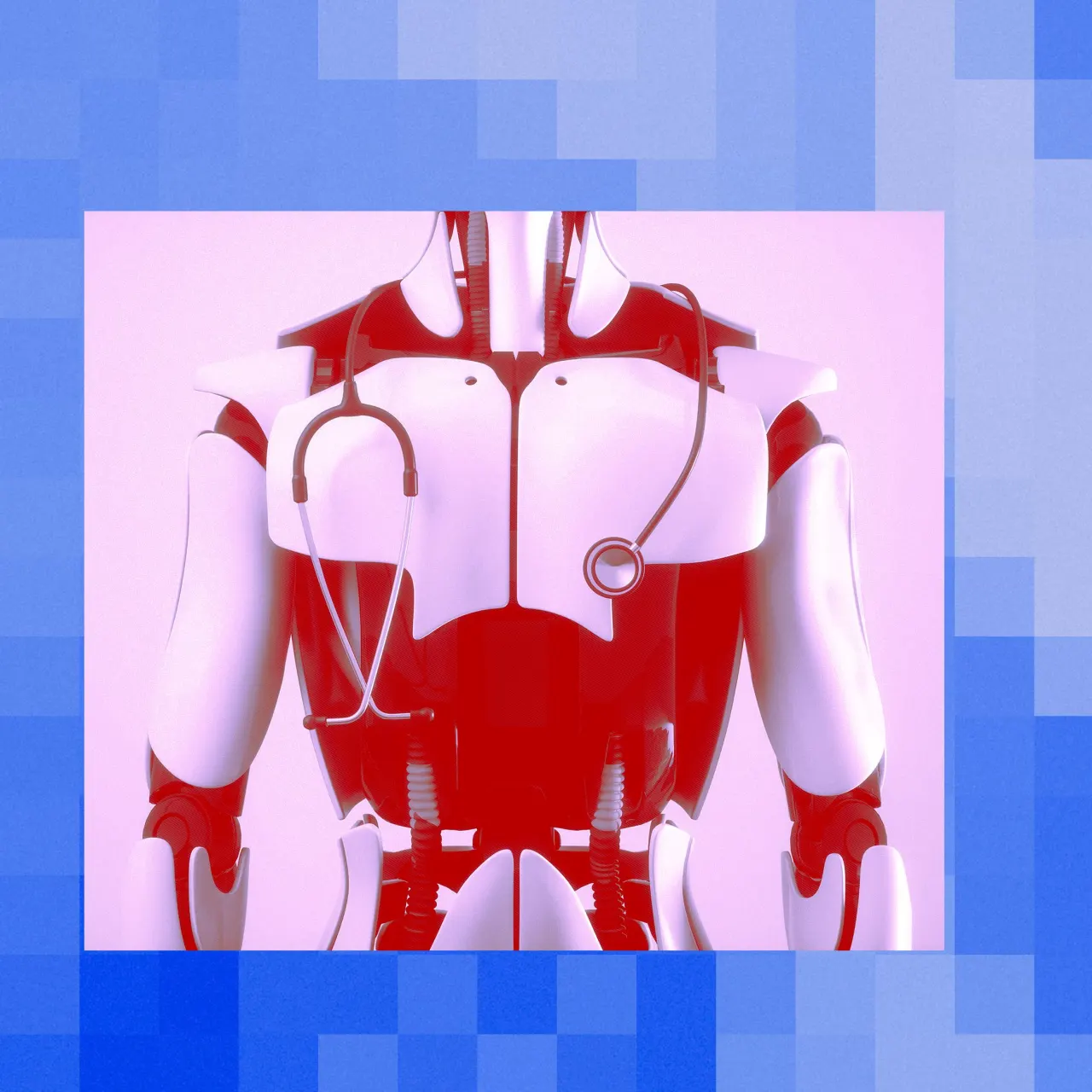
A review paper argues that autonomous artificial intelligence could outperform both doctors and doctor-AI partnerships in core clinical tasks by 2030, raising questions about the future role of physicians. Its authors contend that human involvement may sometimes worsen AI performance, while critics say such claims are premature and that medical care must remain led by clinicians.
The paper, coauthored by Penn medical ethicist Ezekiel Emanuel and investors linked to AI healthcare company Curai Health, reviewed studies published since 1 January 2024. It identifies history-taking, diagnosis, test selection, prescribing and chronic-disease management as areas where AI may excel, but the American Medical Association notes that some evidence comes from simulations and cites a 2026 Nature study finding patients often struggled to use large language models effectively in real cases.
- AI may surpass doctors in core tasks by 2030.
- Critics question the evidence and oppose removing physicians.
- Real-world patient use of AI remains difficult.
New here? Start with this
Doctors use patients’ accounts, examinations and test results to work out what is wrong and recommend treatment. Artificial intelligence systems can analyse medical information and suggest diagnoses or care, and some are already used to support clinical decisions.
The review’s authors include Penn medical ethicist Ezekiel Emanuel and investors linked to Curai Health, a healthcare AI company. The American Medical Association, which represents doctors in the United States, has questioned how well some research applies to real patients; some studies use simulations, and a 2026 study found patients often struggled to use large language models effectively.
The debate matters because decisions about diagnosis and treatment affect patients’ health, while errors can have serious consequences. It also concerns how responsibility for care is shared between doctors and AI, and what role clinicians should have as the technology develops.
Both sides, in good faith
The strongest fair case each way — we don't pick a winner.
The case for
If AI can outperform doctors in defined clinical tasks, using it autonomously could improve accuracy and access while reducing delays and costs. Human oversight is not automatically beneficial: clinicians may introduce errors or slow decisions, so the best care may sometimes come from allowing validated systems to act directly, with safeguards for exceptional cases.
The case against
Clinical care involves more than performance on discrete tasks: doctors interpret uncertain evidence, understand patients’ circumstances and take responsibility for consequential decisions. The evidence is still limited, with some results drawn from simulations and patients sometimes unable to use AI effectively in real cases; keeping clinicians in the lead may therefore protect safety, trust and accountability while the technology is evaluated.