AI-proof? Younger workers desert the digital world for traditional crafts
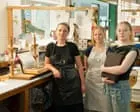
Young people concerned about artificial intelligence reshaping entry-level office and creative work are increasingly pursuing traditional crafts such as bookbinding and metalwork. The shift matters both as a search for more secure, tangible careers and as potential support for ageing craft industries that have struggled to replace skilled workers.
Eryn Lawley, a 27-year-old politics graduate, became a bookbinding apprentice in Shropshire, citing the satisfaction and physicality of hand-made work. Ludlow Bookbinders’ chief executive estimates that fewer than 50 handcraft-operating bookbinders remain in Britain, while Cox London received more than 160 applications for two apprenticeship places this year. Employers and premium publishers say demand remains for human-made objects, with the Folio Society saying it does not use generative AI for its artwork.
- Young workers are seeking careers they see as less vulnerable to AI.
- Traditional craft apprenticeships are attracting strong interest.
- Demand for hand-made, premium products is supporting the shift.
New here? Start with this
Generative AI can produce text and images, prompting concern that it may change the amount and type of work available in some office and creative jobs, particularly at entry level. Traditional crafts such as bookbinding and metalwork rely on practical skills and making objects by hand.
Bookbinding involves assembling and covering pages to make books, and skilled hand bookbinders are now rare in Britain. Some craft businesses offer apprenticeships to train new workers, while publishers and customers continue to seek handmade work. The choices young people make could affect both their own career paths and whether these skills are passed on.
Both sides, in good faith
The strongest fair case each way — we don't pick a winner.
The case for
Traditional crafts can offer younger workers tangible, skilled work that is less exposed to automation and provides satisfaction beyond screen-based tasks. Apprenticeships may also help preserve scarce expertise and meet continuing demand for carefully made books and other premium goods.
The case against
A move into crafts may not provide the security young people seek: opportunities are few, training can be lengthy, and the work may depend on a small market for specialist products. AI concerns alone do not show that office and creative careers will disappear, so leaving those fields could mean giving up broader opportunities while craft employment remains uncertain.