AI Slop Showdown Over Tung Tung Sahur & Italian Brainrot May Offer Glimpse At Hollywood’s Future
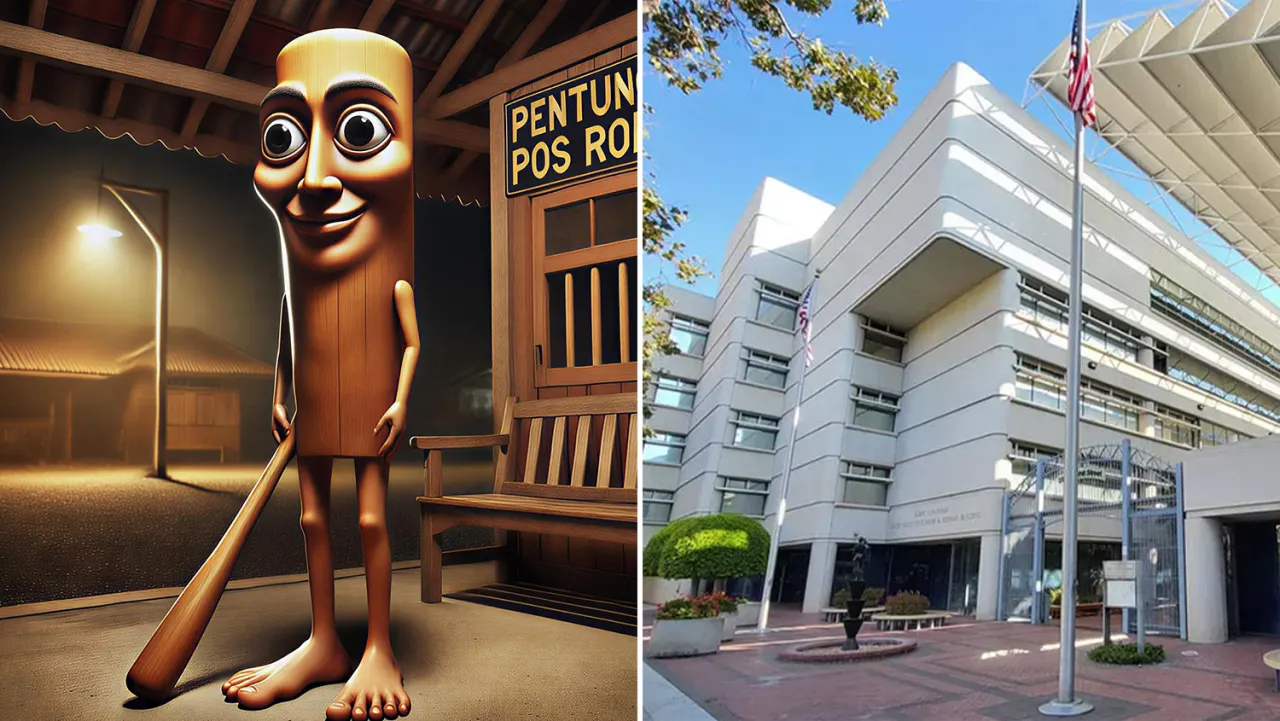
A legal dispute over the AI-generated meme character Tung Tung Sahur is heading towards a September hearing in a US federal court, with wider implications for entertainment companies using AI-created content. Spyder Games, linked to the Roblox game Steal A Brainrot, argues that Mementum Lab has no enforceable rights, while Mementum says companies should not be able to commercially exploit AI-assisted works without permission or payment to their creators.
Mementum licensed Tung Tung Sahur from its Indonesian creator, Noxa, and had already secured a deal involving Fortnite before seeking a similar agreement with Spyder’s Do Big Studios in 2025. Roblox temporarily removed the character after Mementum objected, but negotiations failed and Spyder sued; Mementum later filed trademark counterclaims. A trial is currently scheduled for 29 November 2027, while the central issue is whether AI-generated material can receive copyright protection through human authorship.
- AI meme-character dispute could shape entertainment’s use of AI content.
- Parties disagree over copyright, trademarks and licensing rights.
- A court hearing is set for 23 September.
New here? Start with this
Tung Tung Sahur is a character from the online “Italian brainrot” meme trend, which uses surreal images and names, often made with AI tools. The character was created by Indonesian artist Noxa and later appeared in Steal A Brainrot, a game on the Roblox platform.
Mementum Lab says it licensed the character from Noxa and argues that businesses should seek permission and pay creators before using AI-assisted work commercially. Spyder Games, which is linked to Steal A Brainrot, disputes Mementum’s rights to control the character; the disagreement includes copyright and trademark claims.
The case matters because US copyright law generally depends on human authorship, and courts are being asked how that applies when AI helps produce creative work. The answer could affect how entertainment companies use AI-made images and characters, and what rights their human creators can claim.
Both sides, in good faith
The strongest fair case each way — we don't pick a winner.
The case for
Mementum’s strongest case is that AI tools do not erase the human creative choices involved in shaping, selecting and developing a work, and that creators who contribute those choices should be able to license their work and seek payment when companies use it commercially. Recognising protection where there is sufficient human authorship could give creators clearer incentives and prevent businesses from profiting from their work without permission.
The case against
Spyder’s strongest case is that copyright depends on human authorship, so granting protection to material generated substantially by AI without enough human creative contribution could extend exclusive rights beyond what copyright law is meant to cover. If the work lacks protectable human authorship, a company should not be able to use licensing claims to restrict others from using it, particularly when the scope of AI-generated material and any human contribution remain disputed.
AI Business Entertainment Film Markets Technology Trending Weird & Viral