Amélie helped Lillian Crawford recognise her neurodivergent experience
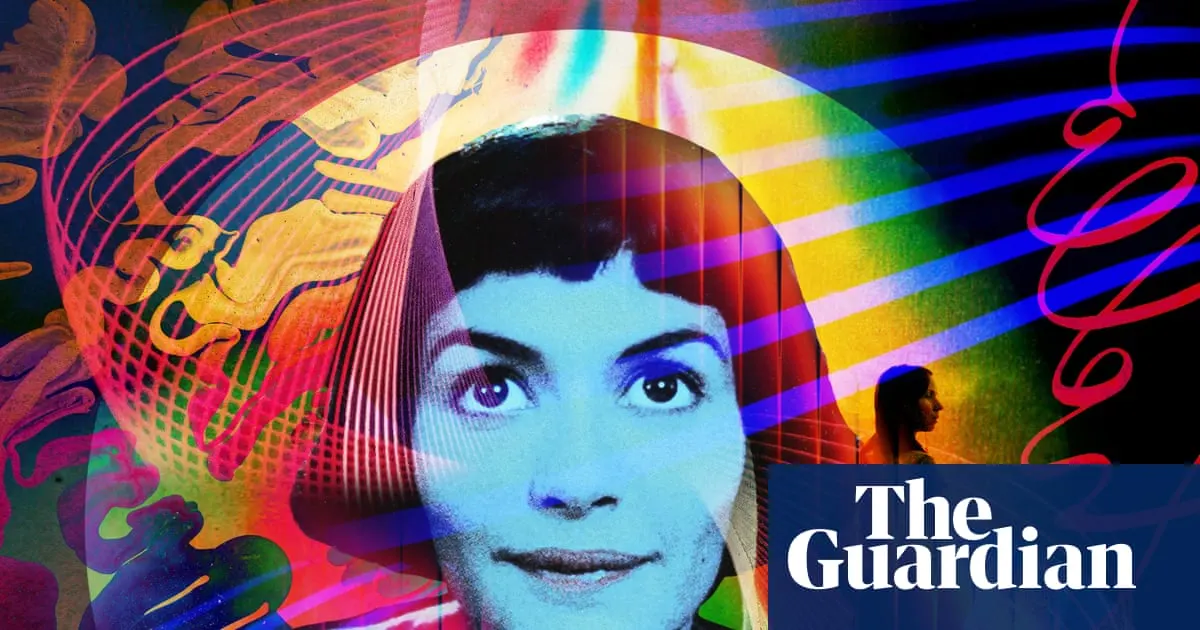
Lillian Crawford says watching Amélie helped her recognise her own neurodivergent experience in a woman at the centre of a film. The character’s sensory sensitivities, solitude and strong preferences made Crawford feel seen, and helped her imagine taking up more space in her own life.
Crawford’s parents suspected she was autistic when she was young, but she was not formally diagnosed until her early twenties, in part because autism can present differently in girls and may be masked. She points to Amélie’s repetitive movements, sensory overwhelm and changing visual presentation as reasons she recognised the character as autistic, though the film never labels her. Crawford first watched it ten years ago and has revisited it five times in the past year; she now organises neurodivergent film screenings and has built a community of autistic people.
- Amélie helped Crawford feel represented as a neurodivergent woman.
- She was diagnosed with autism in her early twenties.
- The film inspired her to create community through screenings.
New here? Start with this
Autism is a condition affecting how people process sensory information, such as sounds and lights, and how they communicate and interact with others. It frequently goes undiagnosed in girls and women because it can present quite differently from how it appears in boys, and because people often learn to adjust or conceal their natural behaviours to fit in.
Lillian Crawford was suspected of being autistic as a child but was not formally diagnosed until her early twenties. Watching the French film Amélie, which features a reserved young woman with distinctive sensory sensitivities and unusual movement patterns, helped Crawford recognise aspects of herself in the character.
Crawford has since organised film screenings for autistic and neurodivergent people and built a community around these shared interests. The story illustrates how media representation can help people recognise themselves and discover connection with others who share similar experiences.
Read the full article at the source →
Originally published by The Guardian as “Amélie allowed me to embrace my neurodivergence”.