Analysts find looming launch crisis is “more severe” than anticipated
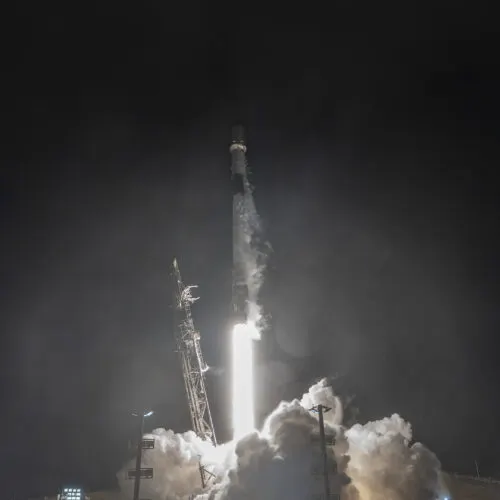
A Quilty Space report finds that, outside China, rocket launch capacity is likely to fall well short of demand through 2030. The shortage could delay satellite programmes and government missions, and may persist until late in the 2030s.
The report estimates a shortfall of about 150 launches, potentially twice that if US military demand is included and SpaceX does not expand Falcon 9 and Falcon Heavy operations. The crunch is expected to be most acute in 2028, driven by the loss of Russian rockets from Western markets, rising satellite demand and delays to new vehicles. Starship could add substantial capacity, but SpaceX has not been actively offering it for conventional commercial satellites; Blue Origin’s New Glenn launches could also ease the gap if its launch rate grows faster than forecast.
In short
- About 150 launches could be missing by 2030.
- Including US military demand could double the shortfall.
- Starship and New Glenn may help, but timing is uncertain.
Steelman: both sides, in good faith
The strongest fair case each way — we don't pick a winner.
The case for
A launch-capacity shortfall could delay satellite programmes and government missions, so policymakers and industry should treat the forecast as a reason to expand reliable launch options. The loss of Russian rockets, growing demand and delays to new vehicles make the projected gap a practical risk, while faster growth in Falcon, Starship or New Glenn operations could help meet it.
The case against
The forecast depends on uncertain demand and launch-rate assumptions, including whether SpaceX expands Falcon operations and whether Starship or New Glenn becomes available at scale. If those vehicles ramp up faster than expected, or planned missions shift, the estimated shortfall could overstate the eventual constraint; the report describes a risk, not a settled outcome.
Explained simply
Rocket launch capacity depends on the number of vehicles ready to fly, how often they can launch and which customers they can serve. A launch shortage can leave satellites waiting to reach orbit, affecting commercial networks and government missions.
Key players include SpaceX, which operates Falcon 9 and Falcon Heavy and is developing Starship, and Blue Origin, which is developing its New Glenn rocket. Russia has also been a source of launch services, but its rockets are no longer available to Western customers.
The issue matters because satellite projects often depend on launches happening on schedule, and building new rockets and increasing flight rates takes time. Governments and companies may therefore need to adjust plans if available launches do not meet demand.
Celebrity Entertainment Space Technology