Science news and discussion on TalkFuse.
Ancient discovery from time of Jesus emerges near Jerusalem’s Temple Mount
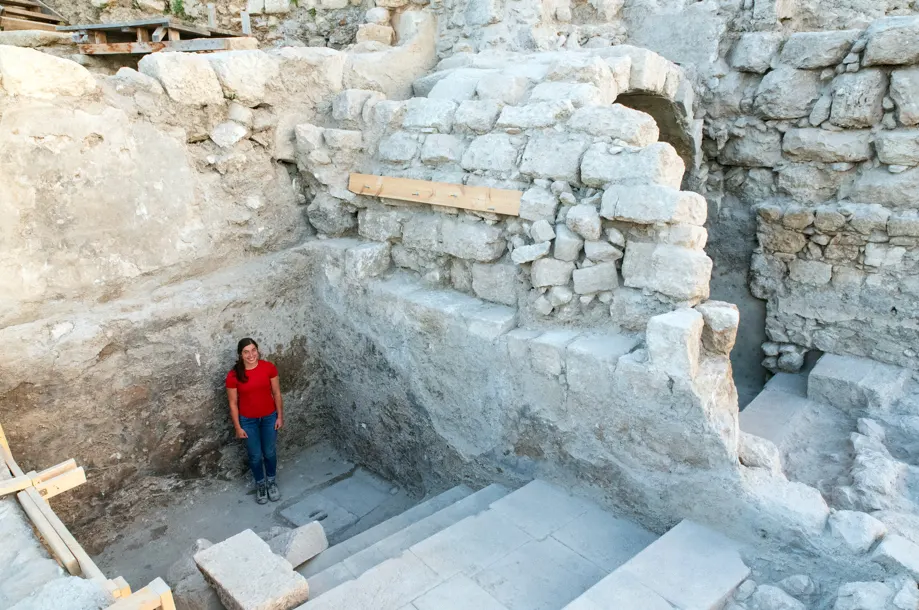
Archaeologists from the Hebrew University of Jerusalem have uncovered a well-preserved ritual bathing complex in the Ophel, just south of Jerusalem’s Temple Mount. Dating to the early first century AD, it likely served Jewish pilgrims who purified themselves before visiting the Second Temple, and offers evidence of the practices that shaped the region’s religious life.
The complex includes three large baths, a plastered pool, a paved plaza and an extensive water system; one bath retains its vaulted ceiling and stands nearly 14 feet tall. Coins from the First Jewish Revolt were found among the remains, linking the site to Jerusalem’s destruction by Roman forces in AD 70. An older purification facility lies beneath it, while a theology scholar said the discovery helps explain how Jewish immersion practices informed Christian baptism; there is no evidence Jesus or his disciples used the baths.
In short
- A first-century ritual bath complex was found near the Temple Mount.
- One bath stands nearly 14 feet tall and retains its vaulted ceiling.
- The site sheds light on Jewish practices that shaped Christian baptism.
Explained simply
The Second Temple was the central place of Jewish worship in Jerusalem until Roman forces destroyed it in AD 70. Jewish law included ritual washing, and pilgrims could purify themselves before entering the Temple precincts.
The Ophel is an area just south of the Temple Mount, where the Second Temple stood. Archaeologists have found other ancient remains there, reflecting the buildings and water systems that supported life around the Temple.
Ritual immersion was part of the Jewish setting in which Christianity emerged, and scholars study how such practices relate to later Christian baptism. The discovery can add evidence about that religious world, though it does not show that Jesus or his disciples used these baths.