World news and discussion on TalkFuse.
Harmeet Dhillon, controversial head of DoJ’s civil rights division, reportedly steps down
Developing story first seen 1 hour ago
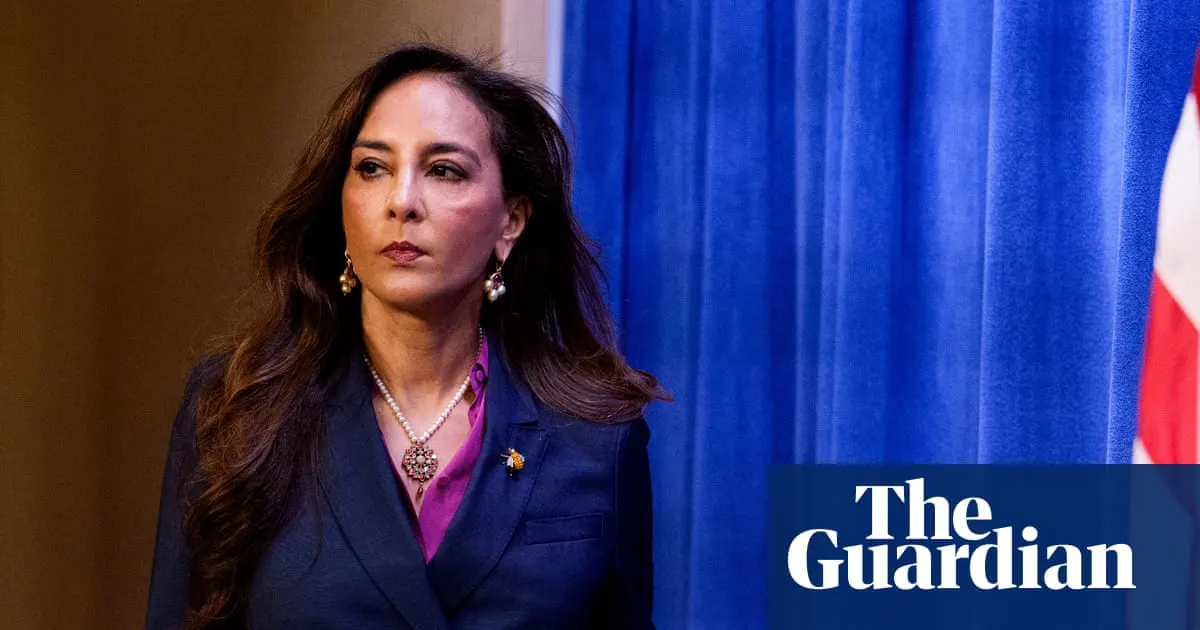
The Justice Department has accepted the resignation of Harmeet Dhillon, its Civil Rights Division chief and a close ally of Donald Trump. She is the first high-ranking department official to leave since Democrats took control of Congress in the 2026 midterms, after which they are expected to investigate executive agencies including the department.
Dhillon led the division for 18 months, shifting its focus away from many traditional discrimination cases and towards claims involving universities. The department dropped cases concerning racial discrimination in voting, housing, employment and education; more than three-quarters of the division’s lawyers left, according to a former division lawyer. It also lost every case brought against more than two dozen states seeking voter roll information.
- Sources
- 2
- Outlets
- 2
- Left · Centre · Right
- 2 · 0 · 0
In short
- The Justice Department accepted Dhillon’s resignation.
- She is the first senior department official to leave since the midterms.
- Her tenure brought major changes and departures in the civil rights division.
How this story developed
- 9 minutes ago Harmeet Dhillon, who led the US Justice Department’s Civil Rights Division, has resigned, becoming the first senior department official to leave after Democrats took control of Congress in the 2026 midterms.
- 23 minutes ago The Justice Department has accepted the resignation of Harmeet Dhillon, its Civil Rights Division chief and a close ally of Donald Trump.
Steelman: both sides, in good faith
The strongest fair case each way — we don't pick a winner.
The case for
Supporters could argue that Dhillon was entitled to set new priorities for the division, including scrutinising university admissions, and to redirect staff and resources towards the cases they considered most pressing. They might also say that unsuccessful litigation and decisions not to bring charges do not, on their own, prove misconduct, and that leadership changes after a political shift in Congress are a normal feature of government.
The case against
Critics could argue that dropping many discrimination cases while pursuing a narrower set of claims weakened the division’s ability to protect people facing unequal treatment in voting, housing, employment and education. The reported departure of more than three-quarters of its lawyers, repeated losses in court and the absence of charges after the two killings could, taken together, raise serious concerns about its capacity, priorities and independence.
Explained simply
The Civil Rights Division is part of the US Justice Department, the federal government’s main law enforcement department. It enforces laws that protect people from discrimination in areas such as voting, housing, work and education.
Harmeet Dhillon led the division, which had also pursued cases over university admissions. Its work affects how federal civil rights laws are applied, and changes in its priorities can shape which complaints and cases receive attention.
The division’s work is overseen by the Justice Department, part of the executive branch led by the president. Congress can investigate federal agencies and examine how they use their powers.
Coverage · 2 sources
Bias meters
From 2 rated sources.
Americas Elections Politics Software Technology World