Android adds opt-in alerts for suspicious messages and links
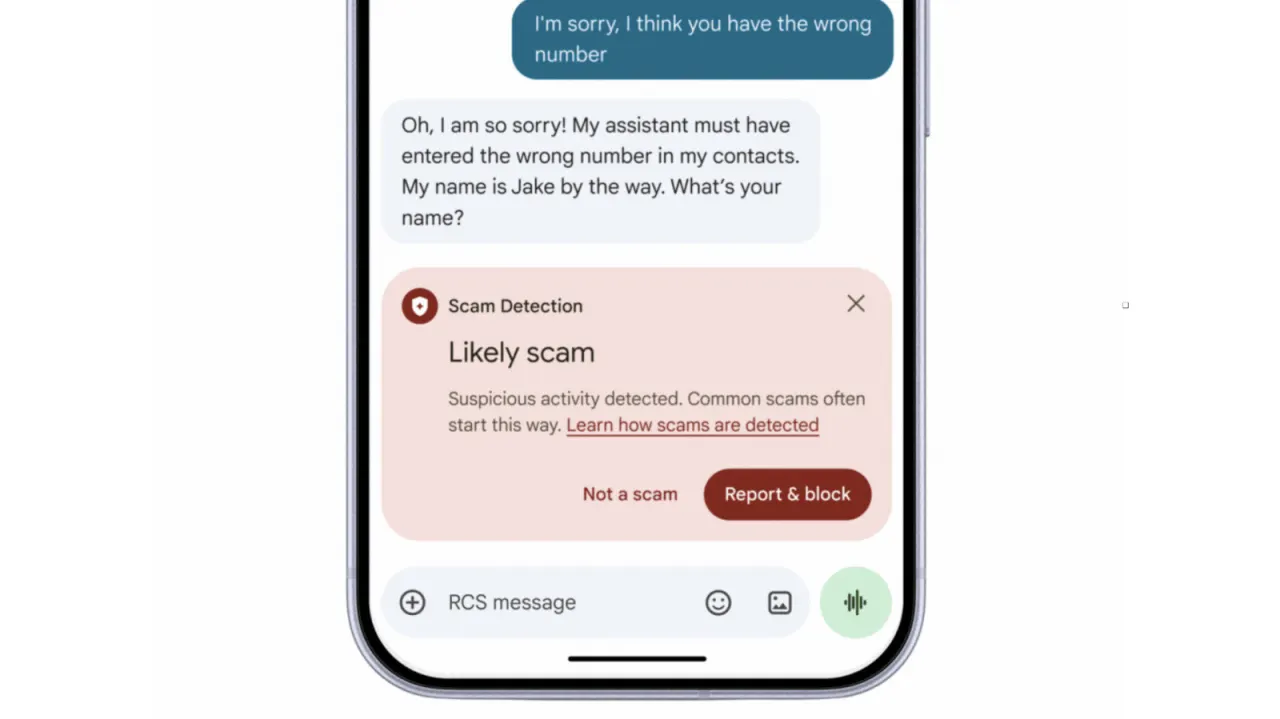
Google is adding scam and privacy protections to Android, including an opt-in Google Messages feature that uses Gemini to flag deceptive conversations. The changes matter because they aim to warn people before they engage with suspicious messages or links, and to limit exposure of sensitive information while screen-sharing.
The new message warnings will analyse sender intent in Private AI Compute, while Gemini Nano will check links on selected devices, including Pixel 10+ and Samsung Galaxy S26 series models. Google is also expanding scam alerts in notifications, adding screen-sharing protections to Android 15 and newer, and preparing call-forwarding safeguards. In Brazil, its bank-call verification feature has blocked more than three million fake calls since launching in June.
- Gemini will warn Android users about potentially deceptive messages.
- Link checks and other protections are coming to selected devices.
- Google says bank-call checks in Brazil blocked over three million fake calls.
New here? Start with this
Text scams are messages designed to trick people into sharing personal details, sending money or opening unsafe links. They can arrive in ordinary conversations or appear to come from a trusted organisation, making them difficult to spot.
Google makes Android, the software used on phones from brands including Google and Samsung, and also runs Google Messages, a texting app. Its AI tools can analyse patterns in messages or links, while Android’s privacy features are designed to control when information on a screen is visible to others.
These protections matter because phones are often used for banking, shopping and private conversations. Warnings and limits on screen sharing can help people notice risks or avoid exposing sensitive information, though they do not remove the need to judge messages carefully.
Both sides, in good faith
The strongest fair case each way — we don't pick a winner.
The case for
Opt-in scam warnings could help people spot deceptive messages and links before they act, while screen-sharing protections may prevent accidental exposure of sensitive information. Processing message intent in Private AI Compute and limiting link checks to supported devices are presented as ways to add protection while respecting privacy and technical constraints.
The case against
Analysing message content, even through a privacy-focused system and with user opt-in, may concern people who do not want automated tools assessing their conversations or who question how data is handled. Warnings can also be mistaken or unevenly available across devices, potentially distracting users or creating a false sense of security while leaving others without the same safeguards.
Read the full article at the source →
Originally published by Engadget as “Android will use Gemini to warn you about scammy messages”.