Politics news and discussion on TalkFuse.
Andy Burnham announces independent inquiry into Britain’s nuclear test veterans after decades of campaigning
Developing story first seen 11 hours ago
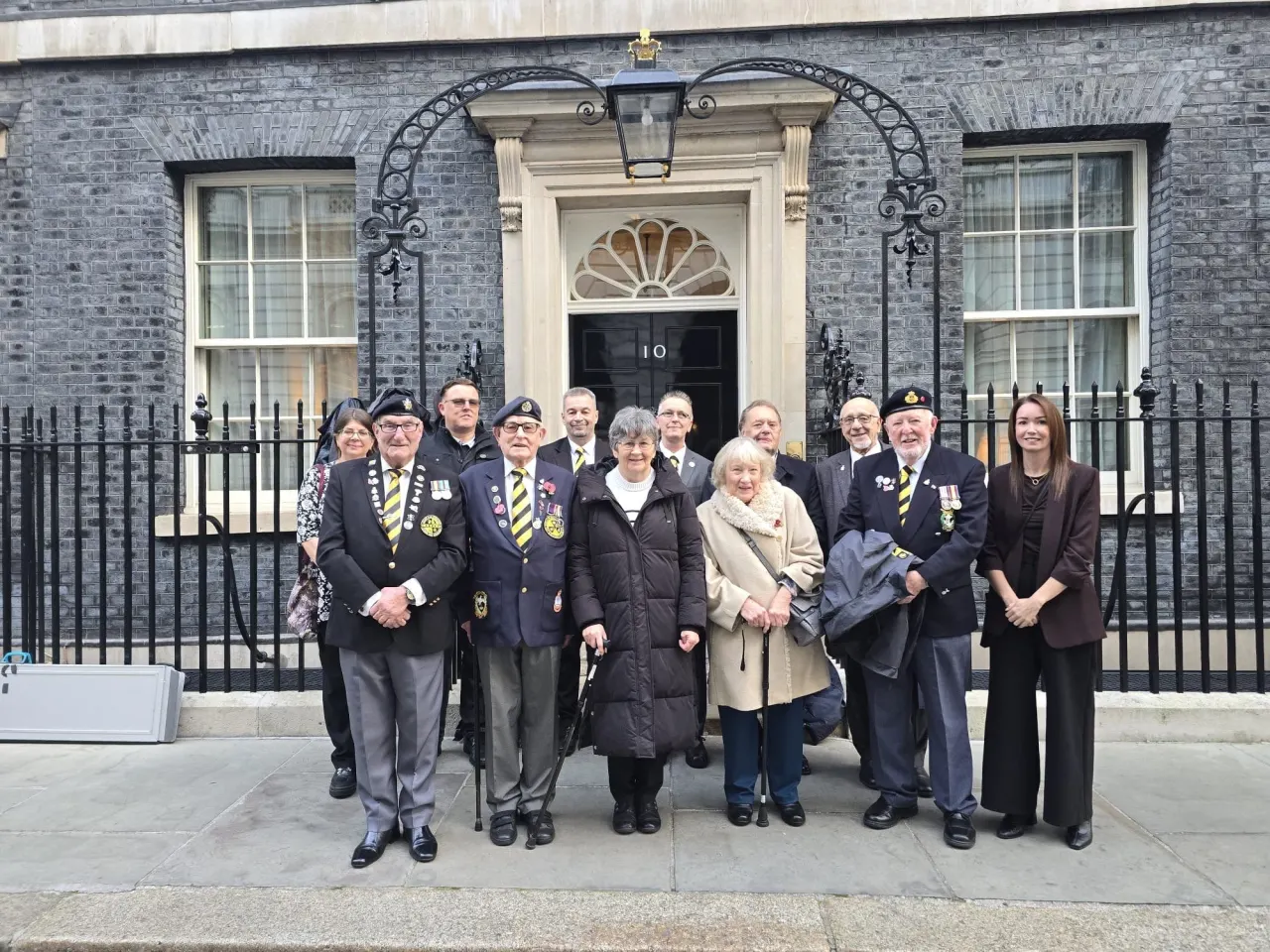
The announcement establishes an independent panel to examine the effects of Britain’s Cold War nuclear tests on veterans and their families, after decades of campaigning for answers. It matters because Britain is described as the only country that conducted nuclear tests without offering compensation to veterans or their descendants.
The panel will be chaired by Bishop James Jones, work independently of government and follow the Hillsborough Panel model. More than 22,000 British service personnel and scientists were exposed during tests in the Pacific and Australia in the 1950s and 1960s; campaigners want the panel to access documents and compel witnesses. Its terms of reference are expected in the coming weeks, while separate work will consider a memorial, education and research.
- Sources
- 2
- Outlets
- 2
- Left · Centre · Right
- 0 · 0 · 2
In short
- An independent panel will investigate the impact of Britain’s nuclear tests.
- More than 22,000 people were exposed during tests in the 1950s and 1960s.
- Campaigners want answers, recognition and potential redress for veterans and families.
How this story developed
- 1 hour ago Andy Burnham has announced an independent panel to examine Britain’s Cold War nuclear tests and their potential impact on veterans and their families.
- 1 hour ago The announcement establishes an independent panel to examine the effects of Britain’s Cold War nuclear tests on veterans and their families, after decades of campaigning for answers.
Steelman: both sides, in good faith
The strongest fair case each way — we don't pick a winner.
The case for
An independent panel could help veterans and their families establish what happened, examine whether exposure caused lasting harm, and address concerns that official records or past responses have left important questions unanswered. Giving it access to documents and witnesses could make its findings more credible and inform decisions about recognition, research or compensation.
The case against
A panel should have a clearly defined remit and assess the evidence impartially, rather than assume in advance that nuclear tests caused particular illnesses or that compensation is owed. Its work could be costly and prolong expectations if it cannot establish individual causation; the government may argue that any remedy should follow robust findings and consistent criteria.
Explained simply
Britain carried out nuclear weapons tests in the Pacific and Australia during the 1950s and 1960s, when it was developing its nuclear programme during the Cold War. More than 22,000 British service personnel and scientists were exposed to the tests.
Veterans and their families have spent decades seeking information about possible health effects and recognition of their experiences. Campaigners say Britain has not compensated those who took part, unlike other countries that tested nuclear weapons.
The proposed panel is intended to examine the tests and their effects, following a model used for an independent review of the Hillsborough disaster. Its findings could inform public understanding, research and how the experiences of veterans and their families are recognised.
Coverage · 2 sources
Bias meters
From 2 rated sources.
Elections Government Politics UK World