Andy Burnham says Russia ‘clearly’ interfered in 2016 Brexit referendum as he gives latest hint at bid to rejoin EU
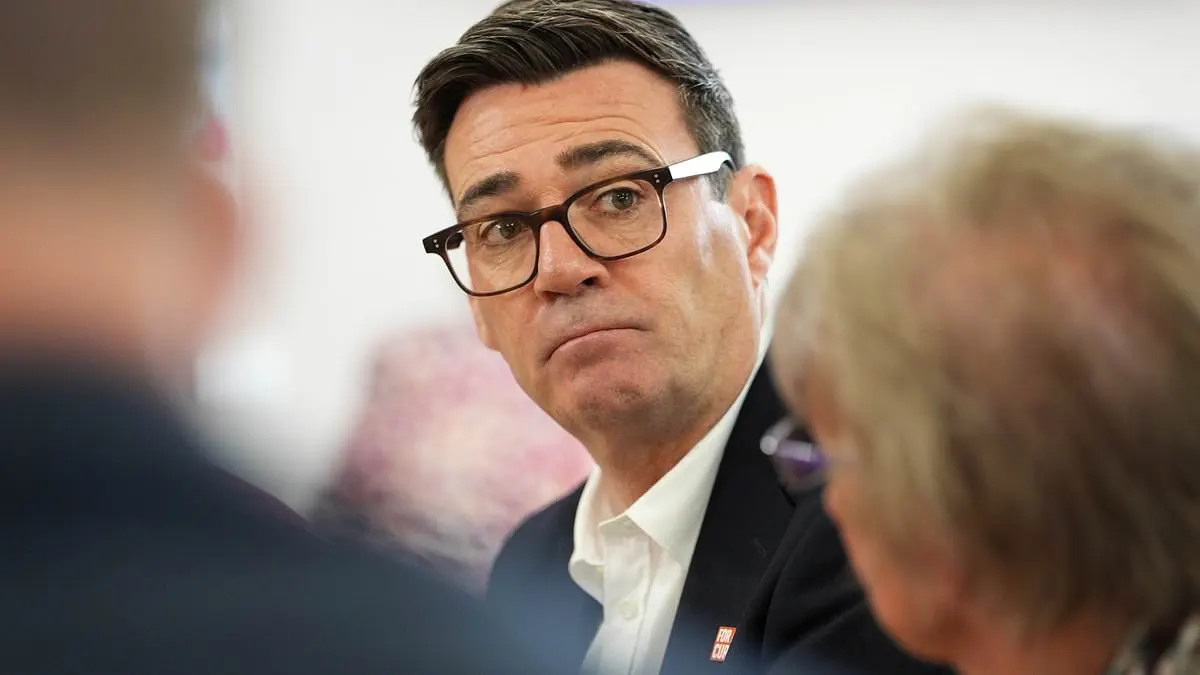
Andy Burnham said Russia “clearly” interfered in the 2016 Brexit referendum, citing an answer he says he received after asking about it on arriving in Downing Street. His comments add to speculation that he may seek to reverse Brexit, after he told Labour activists he wanted to explore options including a commitment to rejoin the EU in the next election manifesto.
Speaking on the Rest is Politics podcast, Burnham said Russian misinformation was also affecting German politics and argued that voters had not been sufficiently informed about foreign efforts to disrupt political processes. He did not say whether rejoining would require another referendum. The article notes that Brexit supporters have played down the effect of foreign influence, and that Burnham has also cited evidence of Russian attempts to interfere in the 2019 general election.
- Burnham says Russia interfered in the 2016 Brexit referendum.
- He wants Labour to explore rejoining the EU.
- He did not say whether another referendum would be needed.
New here? Start with this
In 2016, the UK held a referendum asking voters whether to leave the European Union. The vote resulted in a narrow majority for leaving, an outcome that has remained deeply contentious, with significant sections of the population continuing to believe the decision should be reversed.
Andy Burnham is one of Labour's most senior figures, currently serving as mayor of Greater Manchester. His recent comments signal that the party is considering whether to campaign on rejoining the EU in its next election manifesto, representing a significant shift from Labour's stance since the 2016 vote.
There have been long-running allegations that Russian actors sought to influence the 2016 referendum campaign through spreading misinformation on social media and other channels. Whilst some have disputed how much impact foreign interference actually had, concerns about Russian efforts to disrupt British democratic processes have grown in recent years and prompted various inquiries.
Both sides, in good faith
The strongest fair case each way — we don't pick a winner.
The case for
Russian interference in the 2016 referendum has been documented by intelligence agencies and parliamentary inquiries, and voters were not adequately informed about foreign disinformation campaigns designed to manipulate them. If a democratic vote was materially affected by hostile foreign influence that undermined informed consent, there is a legitimate case for democratic reconsideration, just as other democracies have reconsidered decisions compromised by interference. Protecting the integrity of democratic processes should take priority over rigid adherence to a result obtained under compromised conditions.
The case against
Whilst some Russian interference occurred across multiple elections, evidence that it specifically changed the outcome of Brexit is limited, and millions of voters supported Leave for substantive reasons including immigration policy and sovereignty. Using alleged interference as justification to overturn an inconvenient referendum result sets a dangerous precedent for rejecting democratic outcomes and dismisses voters' judgment as merely manipulated, which is patronising. The proper response to foreign interference is enhanced security and transparency going forward, applied consistently across all elections, rather than selectively overturning results to achieve a preferred political outcome.