Another poll shows a Burnham bounce with Labour leapfrogging Reform – as ministers try to play down snap election rumours
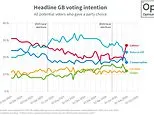
A new opinion poll has shown Labour overtaking Reform UK, in what has been dubbed a "Burnham bounce" linked to Greater Manchester Mayor Andy Burnham. The finding comes amid persistent speculation about a possible snap general election, which government ministers have been at pains to play down, while also fuelling questions about Burnham's political ambitions beyond his current role.
Adding to the coverage, Burnham has separately called for rail fares to be cut, a move critics have branded a "magic money tree" pledge given the Chancellor's own admission that the ongoing Iran crisis is putting significant strain on the UK's public finances. Ministers have sought to downplay any suggestion that the polling shift signals an imminent election, framing the numbers as one snapshot rather than a firm predictor of Labour's prospects against Reform.
- Poll shows Labour overtaking Reform amid "Burnham bounce" speculation
- Ministers play down rumours of a snap general election
- Burnham separately proposes cutting rail fares despite finance pressures
New here? Start with this
Labour's improved standing in the polls has been linked to Andy Burnham, the directly elected mayor of Greater Manchester, who has built a high profile through outspoken interventions on national issues despite not sitting in Parliament. He is not currently an MP, which fuels speculation that any leadership ambitions would require him to seek a Westminster seat, though he has not confirmed such plans. Reform UK, led by Nigel Farage, has been running ahead of Labour in many recent polls, making any Labour lead notable.
Talk of a "snap election" refers to the possibility that the Prime Minister could call a general election earlier than required, rather than waiting until the current five-year term runs its course. Government ministers have repeatedly said they see no imminent election, and pollsters generally caution that a single survey is not a reliable predictor of a future result given how volatile public opinion can be.
The wider financial backdrop involves ongoing tension in the Middle East linked to Iran, which the Chancellor has said is adding pressure to the UK's public finances, an argument used by critics to question the affordability of new spending commitments such as cuts to rail fares.
Both sides, in good faith
The strongest fair case each way — we don't pick a winner.
The case for
Advocates of Burnham's call to cut rail fares argue that high fares suppress ridership, hit lower-income commuters hardest, and act as a de facto tax on getting to work, so reducing them could stimulate economic activity, ease cost-of-living pressure, and support a shift away from car dependency. They see this as a matter of priorities rather than affordability, contending that government routinely finds money for chosen priorities and that investment in public transport pays for itself over time through growth and reduced congestion. From this view, dismissing the idea as fanciful understates how much fare policy already reflects political choices rather than fixed constraints.
The case against
Critics, including the Chancellor, argue that with the Iran crisis placing acute strain on public finances, committing to fare cuts now would be fiscally reckless and risk further borrowing or tax rises at the worst possible moment. They see unfunded spending pledges, however popular, as undermining economic credibility and crowding out other pressing needs such as health, defence, or debt servicing. From this perspective, responsible governance means being honest about trade-offs rather than promising giveaways that the numbers cannot currently support, however sympathetic the underlying aim of cheaper travel may be.