Apple Doesn’t Want You to Worry About the New Apple Watch’s Listening Features
Developed over time first seen 2 months ago
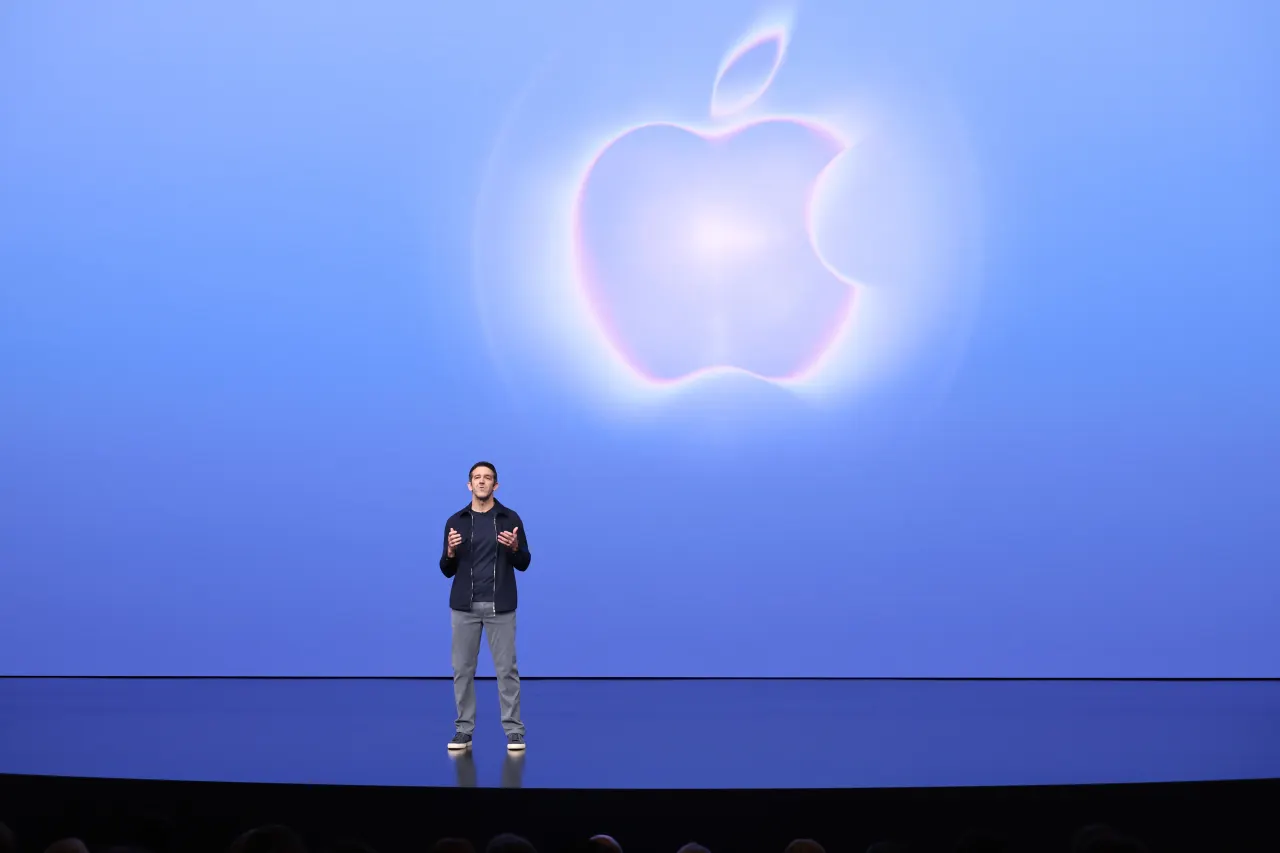
Apple has detailed how its new Apple Watch models process the audio captured for four opt-in "audio intelligence" features, aiming to reassure users that an always-listening wearable will not compromise their privacy. The tools—sound and music recognition, a conversation recap function called Siri Recap, and a "Live Rewind" feature that transcribes the previous 15 seconds of ambient speech—rely on the watches' microphones, but Apple says raw audio is never stored and remains inaccessible to apps, users or Apple itself. The announcement underlines how AI-driven listening capabilities are becoming standard across consumer devices, even as manufacturers work to pre-empt concerns about surveillance.
The privacy safeguards centre on the new S11 chip's "Secure Exclave", an isolated, memory-protected space that handles sensor data separately from the rest of the operating system. Sound Recognition processes alerts, such as doorbells or crying babies, entirely on the watch without sending data anywhere, while Shazam-style music identification generates a signature that is deleted immediately after use. Siri Recap goes furthest, detecting speech, encrypting it, transferring it securely to the iPhone for on-device transcription and summarisation, then deleting the raw audio at each stage before an anonymised summary is sent to Apple's Private Cloud Compute servers, drawing on contextual data such as calendar entries and location to refine the result.
- Sources
- 2
- Outlets
- 2
- Left · Centre · Right
- 0 · 0 · 0
In short
- New Apple Watch listening features are opt-in and privacy-focused, Apple says
- S11 chip's "Secure Exclave" processes audio locally, deleting raw recordings
- Siri Recap sends only anonymised summaries to Apple's cloud servers
How this story developed
- 2 months ago Apple has detailed how its new Apple Watch models process the audio captured for four opt-in "audio intelligence" features, aiming to reassure users that an always-listening wearable will not compromise their privacy.
- 2 months ago Apple has introduced four opt-in "audio intelligence" features on its new smartwatches, using the devices' microphones to power sound and music recognition, a conversation recap tool, and a "Live Rewind" function that shows a transcript of the previous 15 seconds of environmental audio.
- 2 months ago Apple has detailed how its new Apple Watch models process the audio captured for four opt-in "audio intelligence" features, aiming to reassure users that an always-listening wearable will not compromise their privacy.
Full account
Apple used this week's hardware event to introduce two new Apple Watch models equipped with a set of AI-driven audio tools the company calls "audio intelligence." The four opt-in features include recognition of sounds and music, a conversation-summarising tool, and a "Live Rewind" function that can display a written transcript of anything spoken nearby in roughly the preceding quarter of a minute. Coverage of the announcement noted that Apple appeared conscious the features might unsettle some users, and the company moved quickly to stress that privacy safeguards had been built into each tool from the outset.
Much of the reporting focused on how Apple intends to keep the underlying audio out of reach of apps, the operating system, and even Apple itself. The bulk of the processing is meant to happen on the watch, limiting how much data ever leaves the device; a sound-alert function that flags things like sirens, doorbells or a crying baby, for instance, is described as working entirely offline. Where information must be sent elsewhere, it is reportedly converted into a processed form rather than a raw recording before being handled by Apple's cloud servers. The company's newest chip is said to include a protected memory area, kept separate from the rest of the operating system, in which sensor data such as audio can be temporarily held. A Shazam-linked feature reportedly uses this same protected space to create a brief identifying "fingerprint" of a song, which is only sent off the watch if the wearer actively asks to identify the track, and is otherwise wiped. The conversation-recap tool is described as using a dedicated model purely to detect that speech is occurring, without transcribing it, before any audio is encrypted, moved into an equivalent secure area on a paired iPhone, and then deleted.
Beyond the technical safeguards, coverage placed the launch within a wider debate about always-on listening technology becoming normalised in everyday devices. One report situated the update alongside a broader wave of AI transcription products, from note-taking assistants aimed at meetings and lectures to wearable AI companions such as the Friend pendant and Amazon's Bee, which passively log a user's day. It suggested Apple's approach sits somewhere between clearly useful accessibility functions and features that edge into more uncomfortable territory, and raised the possibility that competitive pressure from AI-focused rivals played a part in the decision to introduce always-listening capability at all.
Taken together, the accounts broadly agree on what the features do and how Apple says it is protecting user data, but differ noticeably in tone and emphasis. The more technically detailed report leaned heavily on Apple's own description of its safeguards, treating the announcement largely as evidence of AI capability becoming a standard part of consumer devices. The other account was more sceptical, questioning whether consumers actually want this kind of listening technology, tying the launch to rivalry with companies such as OpenAI, and drawing a link to growing public unease about surveillance-adjacent technology more broadly, from AI data centres to camera networks. It also highlighted event details the more technical report omitted, including the show's branding and the fact that a foldable iPhone shown at the same event drew comparatively less attention than the watch's listening features.
Where outlets differ
From the full account, which is AI-written from the sources:
The technically-focused report centres on Apple's engineering safeguards (the Secure Exclave, S11 chip, Private Cloud Compute) and largely reflects Apple's own framing of the features as privacy-protective, including a direct company statement.
The more critical report questions whether users actually want always-listening features, suggests competitive pressure from firms like OpenAI may have driven the decision, and links the launch to broader public backlash against surveillance technologies such as Flock cameras and AI data centres.
Only the critical report names the event ("Surprise and Shine") and notes that a foldable iPhone, rather than the watch's audio features, was expected to be the headline reveal.
The technical report gives specific detail on the Shazam music-identification integration and the mechanics of Siri Recap's data flow, which the other account does not cover in depth.
The critical report draws comparisons to other always-on AI wearables (the Friend pendant, Amazon's Bee) to contextualise Apple's move, a comparison absent from the more technical account.
Steelman: both sides, in good faith
The strongest fair case each way — we don't pick a winner.
The case for
Apple's architecture represents a thoughtful approach to adding useful AI features whilst preserving privacy through technical design. The Secure Exclave isolates sensitive processing, end-to-end encryption and on-device transcription prevent Apple's servers from accessing raw audio, and the opt-in nature gives users genuine control. The immediate deletion of raw audio at each stage, combined with public technical transparency, addresses the core privacy concern and demonstrates that listening capabilities and privacy protection need not be mutually exclusive.
The case against
Whilst Apple's stated safeguards are reassuring on paper, the presence of an always-listening device fundamentally invites risk regardless of current technical architecture. Privacy commitments can shift with regulatory pressure, ownership changes, or business model evolution, as tech company policies have repeatedly demonstrated. Even accepting the current implementation as honest, the practice of processing and transmitting audio data to Apple's servers—however encrypted—establishes infrastructure that future versions or bad actors could exploit, and history suggests that once surveillance capabilities exist, the incentives to misuse them tend to grow.
Explained simply
Apple's new smartwatches include microphone-based features that can recognise sounds, identify music, summarise conversations and replay a short snippet of recent audio as text. These "audio intelligence" tools are optional and build on Apple's existing Siri and Shazam technology, but they mark a step change in how much a wearable device can listen to and interpret its surroundings.
The announcement matters because it touches on a wider tension in consumer tech: devices are becoming more capable through AI, but that often means more listening, more data processing, and more potential for misuse or mistrust. Apple, as the maker of one of the world's most widely used smartwatches, is positioning itself as an example of how such features can be offered while limiting what data is collected, where it is processed and how long it is kept.
Key to the story is the technical detail behind these privacy claims, including a secure processing area within the watch's chip and a system for handling data both on the device and, in some cases, on Apple's own servers. This background matters for readers weighing up whether an always-listening wearable is something they want to use, and for understanding the broader debate about privacy in AI-enabled devices.