Technology news and discussion on TalkFuse.
Apple MacBook Pro OLED (2026) Review: The Best Comes at a Cost
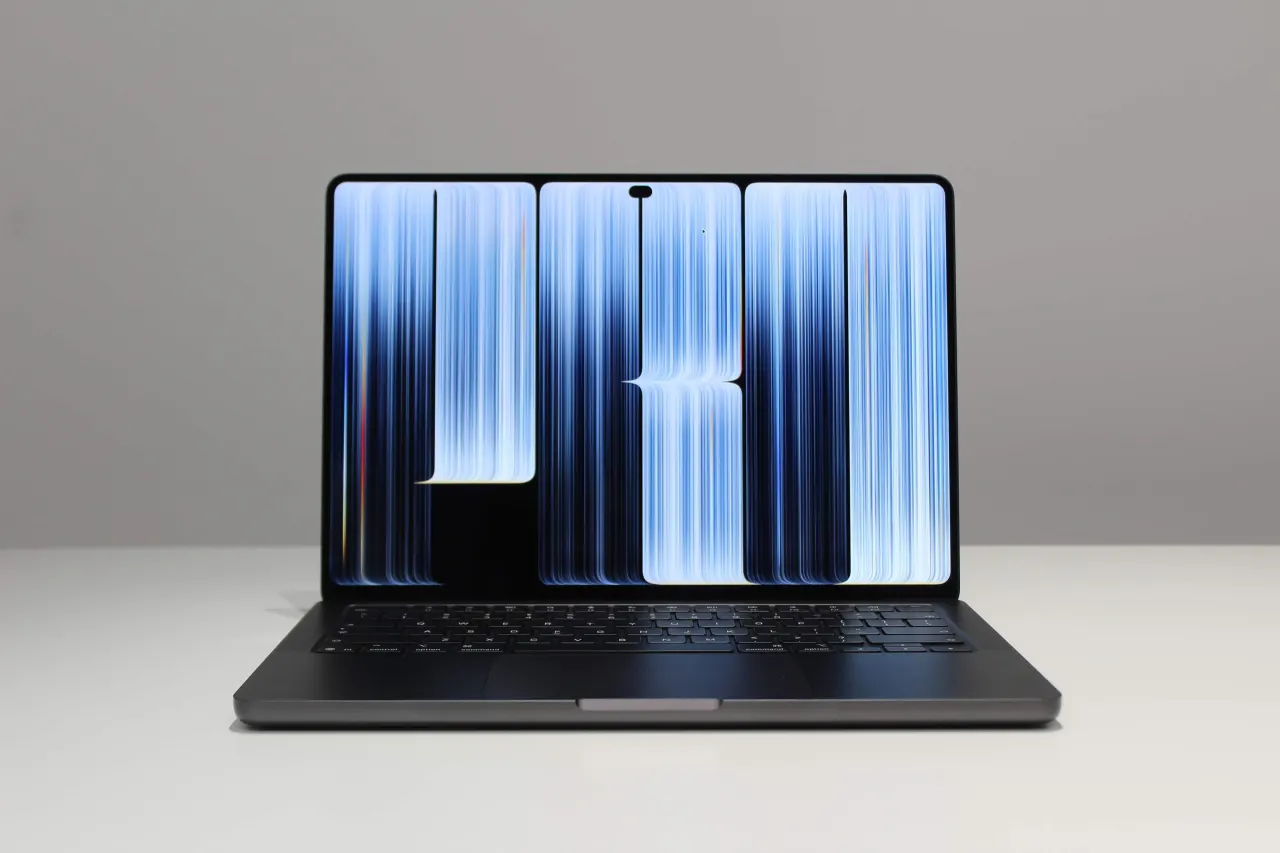
Apple’s 2026 OLED MacBook Pro adds a touchscreen to its flagship laptop, alongside a brighter display, a punch-hole webcam and a lighter 16-inch model. The reviewer sees it as a major upgrade, particularly for outdoor work, though the touchscreen’s usefulness is uncertain and the premium price is steep.
The tested 16-inch version weighs 4 pounds, more than half a pound less than the comparable Mini-LED model. Its tandem OLED display reaches 1,000 nits for everyday use and up to 2,000 nits in specific bright conditions; an optional nano-texture finish helps reduce glare. Apple continues to sell a less radically changed Mini-LED MacBook Pro with the M6 chip, while the OLED version costs almost $1,000 more than a similarly configured model from the previous year.
In short
- Apple’s OLED MacBook Pro is a major redesign.
- The display reaches 2,000 nits in certain conditions.
- The OLED model costs almost $1,000 more.
Steelman: both sides, in good faith
The strongest fair case each way — we don't pick a winner.
The case for
The OLED MacBook Pro offers meaningful gains for people who need a portable, bright screen: it is lighter, easier to use outdoors and adds touch input that may suit some creative or everyday tasks. For professionals who value those improvements and can use them regularly, the higher price may be justified by the better display and more capable design.
The case against
The improvements may not justify a premium of almost $1,000, particularly when the touchscreen’s practical value remains uncertain and the Mini-LED model continues to offer a less costly option. Buyers who do not need the brightest display or lighter 16-inch chassis could reasonably see the extra cost as poor value, especially if touch adds little to their laptop workflow.
Explained simply
Apple’s MacBook Pro is its high-end laptop, aimed at people who need a powerful computer for work such as editing video, making music or developing software. The 2026 OLED version adds a touchscreen and a different kind of display, while Apple continues to sell a model with a Mini-LED screen.
OLED screens can produce bright images and deep blacks, and the tested 16-inch laptop is lighter than the comparable Mini-LED model. Those features may matter to people who work outdoors or carry their computer often, though the practical value of touch controls on a laptop depends on how people use it.
The OLED model sits at the top of Apple’s laptop range and costs substantially more than a similarly configured earlier model. Its appeal therefore depends on whether buyers value the screen and design changes enough to pay the premium.