Are digital cameras still worth buying in 2026?
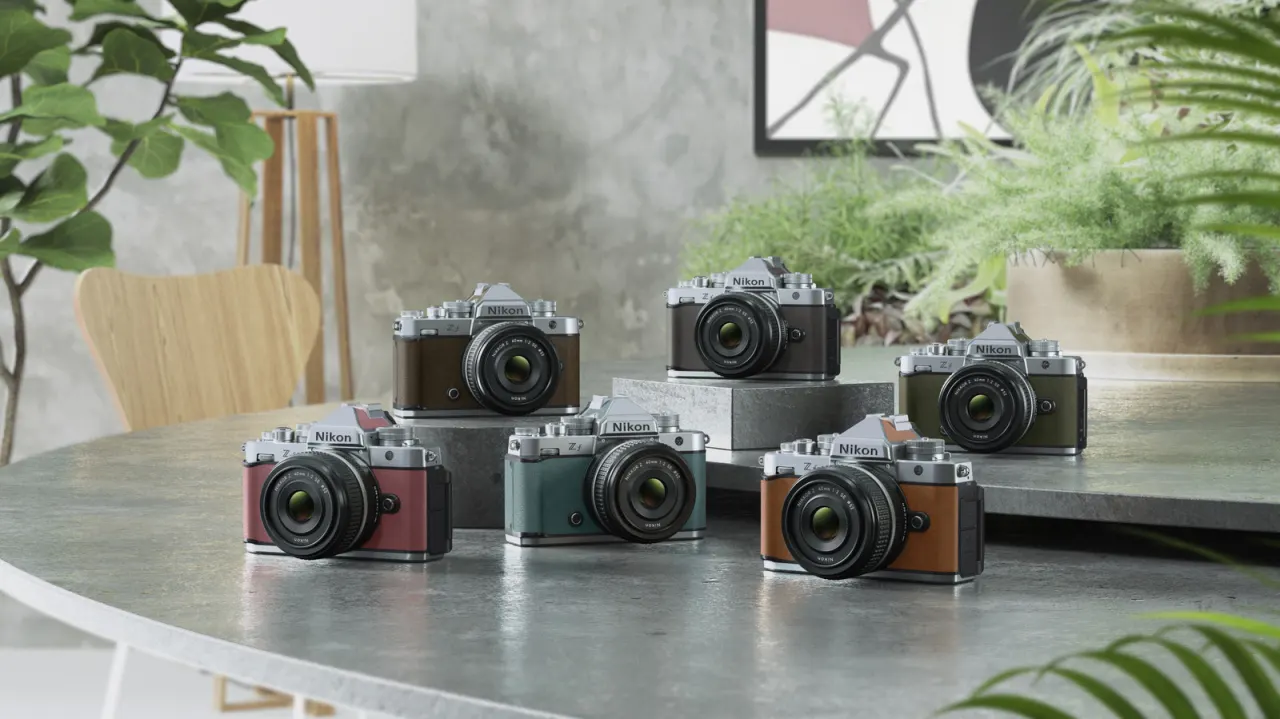
Digital cameras remain worth buying in 2026 for people who want greater creative control, higher image quality and a more involved photography experience than a smartphone usually provides. Smartphones are sufficient for most everyday snapshots, but dedicated cameras can better handle demanding conditions such as low light, bright scenes, fast action and distant subjects.
The article says the main advantage is the larger sensor, which captures more detail and allows heavier cropping, alongside manual controls that let photographers deliberately shape exposure, depth, motion blur and editing. Options range from compact fixed-lens and action cameras to interchangeable-lens mirrorless models; Canon’s EOS R100 is cited at about $500, while high-end bodies can cost roughly $5,000 before potentially expensive lenses. Modern phones and specialist apps offer more advanced controls than before, but cameras require both financial investment and time to learn.
- Digital cameras offer control and image quality smartphones cannot fully match.
- They are most worthwhile for intentional or specialised photography.
- Cost and learning time remain significant drawbacks.
New here? Start with this
Smartphones have made photography part of everyday life, and their built-in software can produce strong results with little effort. Dedicated digital cameras are separate devices, ranging from small fixed-lens models to larger cameras that take interchangeable lenses.
A camera’s larger sensor can capture more detail, which helps when cropping an image or photographing in low light, fast action or at a distance. Manual controls also let photographers choose how bright, sharp or blurred a picture looks.
The choice depends on what someone wants from photography and how much they are willing to spend and learn. Cameras can cost from a few hundred dollars to several thousand, with lenses adding to the price; phones and specialist apps also offer increasing control.
Both sides, in good faith
The strongest fair case each way — we don't pick a winner.
The case for
Digital cameras offer materially superior image quality through larger sensors, genuine optical zoom, and comprehensive manual controls that enable photographers to realise their creative vision in ways smartphones cannot match. For anyone serious about photography, this technical capability and creative freedom justify the investment, with options ranging from accessible entry-level bodies to professional equipment suited to serious hobbyists and professionals.
The case against
For the vast majority of people, smartphone cameras provide sufficient image quality for their actual needs whilst offering decisive practical advantages in convenience and cost. The investment required for a dedicated camera body and lenses is increasingly difficult to justify given the learning curve and the rapid pace of annual phone camera improvements.