Entertainment news and discussion on TalkFuse.
Are tech disruptions and and outages the new normal?
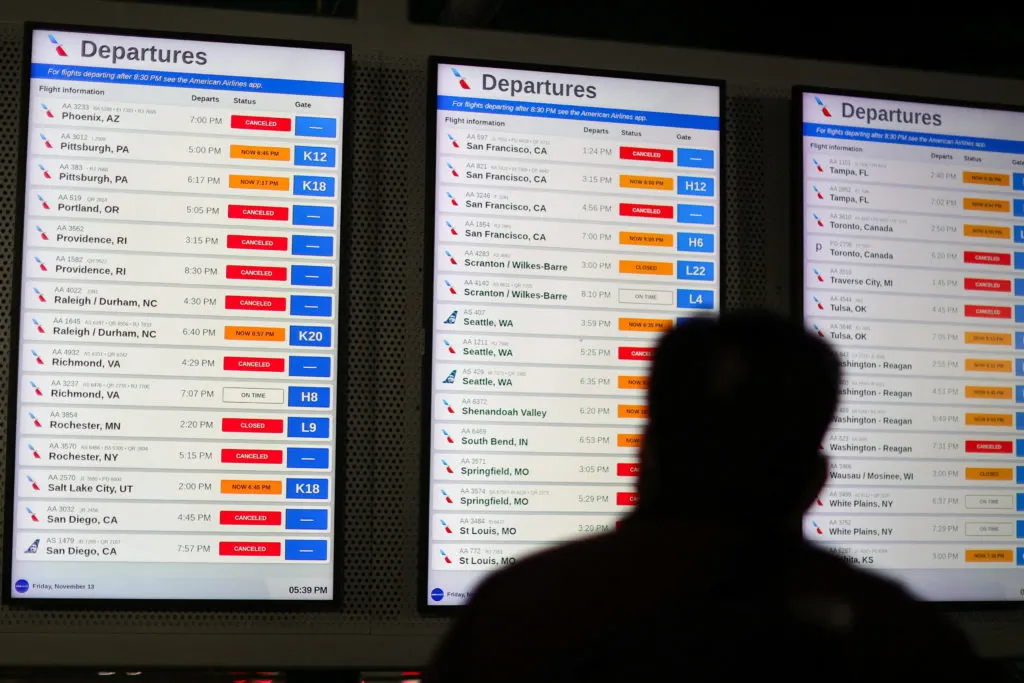
A cluster of technology failures disrupted workplace tools, air travel, banking, online services and government communications over the past week, prompting concern about how dependent daily life has become on interconnected systems. Officials and affected companies say there is no evidence the incidents were linked or caused by cyberattacks, but the disruptions have exposed how routine technical problems can have wide effects.
Microsoft attributed its global service outage partly to a latent defect in a network fix; the FAA’s separate failure caused a nationwide ground stop lasting more than four hours, the longest in 25 years. United Airlines, JPMorgan Chase, Apple, Marriott and the NSA also reported outages or service problems, which companies attributed to issues including software bugs, internal updates and scheduled maintenance. The article says AI-driven discovery of security vulnerabilities is adding pressure to patch systems, sometimes creating further glitches.
In short
- Separate tech failures disrupted services across several sectors.
- The FAA ground stop lasted more than four hours.
- Officials say there is no evidence the outages were linked.
Steelman: both sides, in good faith
The strongest fair case each way — we don't pick a winner.
The case for
Repeated disruptions across essential services suggest outages are becoming a normal feature of life in a highly connected society. Even when incidents are unrelated and caused by ordinary technical faults, shared dependencies and rapid software changes can spread their effects widely, making resilience, investment in safeguards and realistic expectations about reliability increasingly important.
The case against
A cluster of incidents over one week does not establish a lasting trend: the reported failures had separate causes, and officials and companies found no evidence of a common attack. Complex services have always faced occasional faults, while maintenance and frequent security updates can help prevent more serious failures; judging whether outages are the new normal requires longer-term evidence about their frequency, duration and impact.
Explained simply
Workplaces, airports, banks and public services rely on computer systems to communicate and manage everyday tasks. Many of these systems are connected to networks and services run by technology companies, so a fault in one part can affect people and organisations far beyond its original location.
Microsoft, the US Federal Aviation Administration (FAA), which oversees civil aviation, and companies such as United Airlines, JPMorgan Chase, Apple and Marriott all operate services used by large numbers of people. The National Security Agency (NSA) is a US government agency focused on signals intelligence and cybersecurity. Their systems are maintained through software updates and other technical changes, which can introduce faults as well as fix them.
The incidents described had different reported causes, including software defects, internal updates and maintenance; officials and companies said they had no evidence of a shared cause or cyberattack. As artificial intelligence helps identify software vulnerabilities more quickly, organisations may face pressure to update systems sooner. Understanding how systems are connected helps explain why technical problems can interrupt travel, work, banking and public communications.
Celebrity Entertainment Politics