Labour weighs May election as poll lead grows and fiscal pressures mount
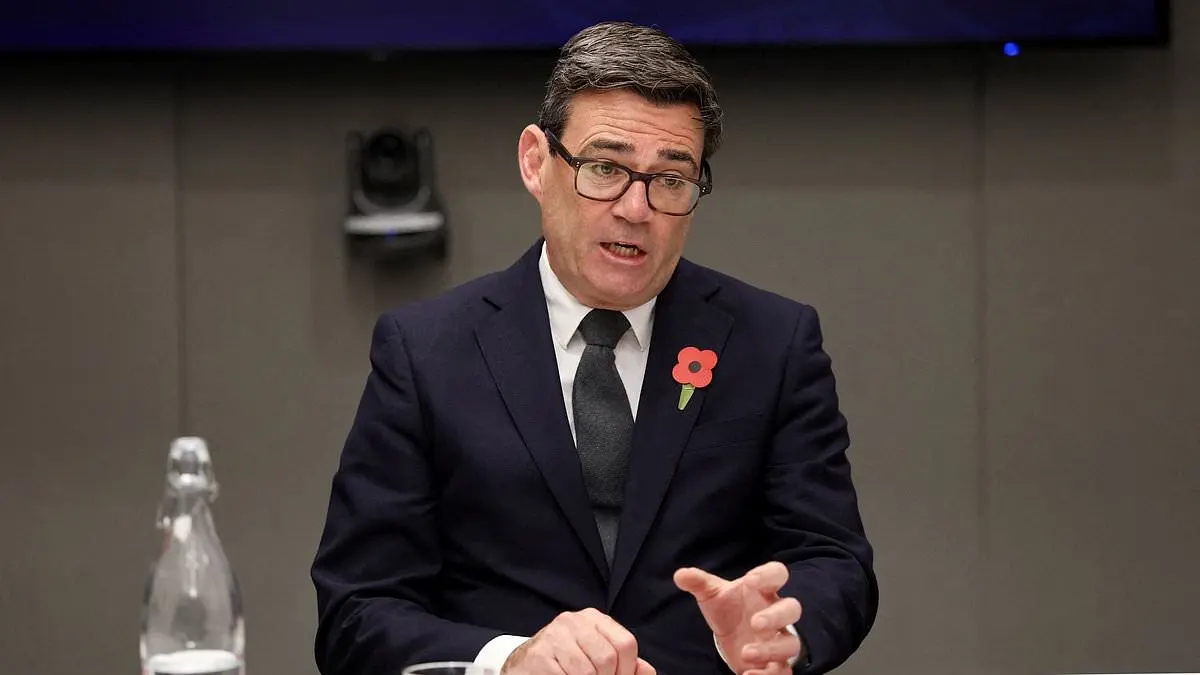
Labour is preparing for the possibility of a general election next May, amid speculation about Andy Burnham’s political prospects and a poll showing the party ahead. The Budget’s deferral of difficult spending choices has added to the uncertainty, while future pressure on public finances could complicate Labour’s plans.
An Opinium poll conducted largely after the Budget put Labour on 30 per cent, with Reform on 22 per cent and the Conservatives on 20 per cent; Electoral Calculus estimated that this split could give Burnham a majority of nearly 100. Defence spending plans include reaching 3 per cent of GDP by 2030, while Kemi Badenoch warned of a potential £49 billion shortfall by 2030-31 and claimed Labour could need to raise taxes by £1,700 per household. Burnham has said there will be no election in 2027, though this differs from his earlier statement that one would not take place until 2029.
In short
- Labour leads with 30 per cent in a post-Budget poll.
- The poll could translate into a majority of nearly 100 for Burnham.
- Badenoch warns of a £49 billion funding gap by 2030-31.
Steelman: both sides, in good faith
The strongest fair case each way — we don't pick a winner.
The case for
A May election could let Labour seek a fresh mandate while its poll position is favourable, giving voters a chance to judge its record and plans. If Andy Burnham is a credible potential leader, his prospects and the projected majority may strengthen the case for preparing early, while unresolved spending choices make clarity about future priorities more pressing.
The case against
Calling an election amid shifting signals about its timing could look opportunistic and distract from the difficult fiscal choices the Government still needs to explain. Polls and seat projections are uncertain, and warnings of a large funding gap and possible tax rises suggest voters should hear a clearer account of how Labour would meet its commitments before being asked to renew its mandate.
Explained simply
UK general elections decide which party forms the government and who becomes prime minister. Labour is led by Keir Starmer, while Andy Burnham is the mayor of Greater Manchester; talk about his political prospects has raised questions about a possible role in national politics.
Opinion polls estimate how people might vote, but they are not election results, and seat projections based on them can vary. The government must also decide how to pay for public services and defence: those choices affect taxes and spending, while forecasts of future shortfalls depend on uncertain economic assumptions.
Read the full article at the source →
Originally published by Daily Mail as “Are we heading for a May election? Poll shows Labour eight points ahead as voters give Budget benefit of doubt – but difficult decisions loom next autumn as Badenoch warns of £49bn timebomb”.