Politics news and discussion on TalkFuse.
Army Looks For Quieter Power As Noisy Generators Risk Giving Troops Away To Drones
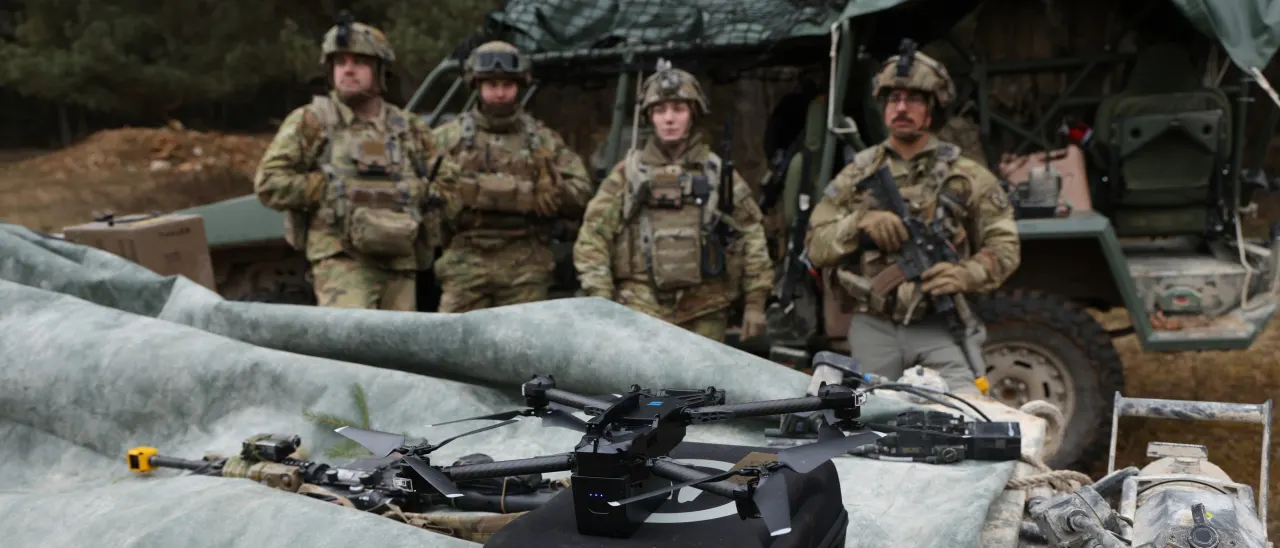
The US Army is seeking quieter, lower-signature power systems because generators can reveal troops’ locations to enemy drones through their noise and heat. The issue is becoming more pressing as radios, sensors and counter-drone equipment are being deployed with smaller, mobile units that need reliable power while staying concealed.
The Pentagon’s Defense Innovation Unit sought portable battery systems, and companies are developing hybrid setups that let troops switch generators off. Chariot Defense chief Adam Warmoth said units may bring a 30-kilowatt generator weighing 2,300 pounds even when typical demand is around two kilowatts; an Army study found 15- and 30-kilowatt generators often ran below 10 per cent capacity during a training exercise. Representative Pat Harrigan said he is interested in funding hybrid generators and batteries, and wants evidence on their noise, operating time and suitability for combat.
In short
- Generator noise and heat can expose troops to drones.
- Hybrid batteries could let units shut generators off.
- Army studies found generators often run far below capacity.
Steelman: both sides, in good faith
The strongest fair case each way — we don't pick a winner.
The case for
Quieter battery and hybrid systems could help protect troops by reducing the noise and heat that expose their positions, especially as small units rely on more power-hungry radios, sensors and counter-drone equipment. The reported underuse of large generators also suggests there may be room to cut weight and fuel demand, while batteries could let units switch engines off when concealment matters most.
The case against
Any new power system must keep essential equipment operating reliably in combat, where batteries can run down and resupply or recharging may be uncertain. Hybrid systems may add cost, weight or complexity, so it is reasonable to seek evidence on their endurance, noise and field suitability before funding or replacing established generators.
Explained simply
Military units need electricity to run equipment such as radios, sensors and systems designed to counter drones. Generators can provide power in the field, but their sound and heat may make a unit easier to locate.
The US Army and the Pentagon’s Defense Innovation Unit are exploring portable batteries and hybrid systems, which combine batteries with generators. These could let troops rely on stored power when they need to keep a generator off, while still having a generator available to recharge batteries.
The challenge is balancing concealment with enough power for equipment over time. Lawmakers, including Representative Pat Harrigan, are weighing support for these systems and have called for evidence about how noisy they are, how long they operate and whether they suit combat use.