World news and discussion on TalkFuse.
The political playbook that unraveled US transgender rights in the past decade
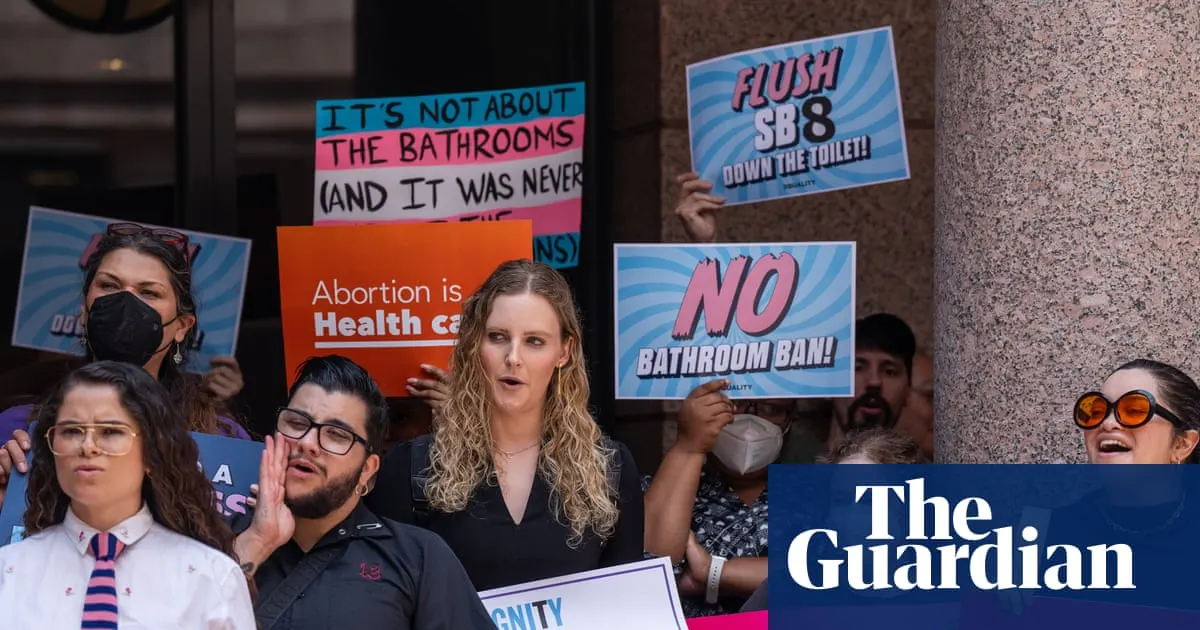
Over the past decade, the political and legal climate for transgender Americans has shifted from expanding federal protections to a wave of restrictions. The article traces how issues once met with broad corporate and institutional opposition, such as North Carolina’s 2016 bathroom law, have since become part of a more accepted political strategy, including in states that previously backed transgender rights.
It contrasts the Obama administration’s support, including a Justice Department challenge to North Carolina’s law, with President Trump’s second-term use of executive power to target protections. Recent examples include Kansas and Idaho bathroom laws; Idaho’s law allows up to a year in prison for a first offence and up to five years for a second. The article also describes wider cultural pressure, including media coverage of transgender athletes, book bans and the removal of a transgender character’s storyline from a Pixar series.
In short
- US transgender rights have faced a sharp political reversal over ten years.
- Idaho’s bathroom law carries prison terms for repeat offences.
- The article links legal restrictions with wider cultural scrutiny.
Steelman: both sides, in good faith
The strongest fair case each way — we don't pick a winner.
The case for
Supporters of restrictions argue that sex-based rules in bathrooms and sport protect privacy, safety and fair competition, and that elected lawmakers should be able to set these boundaries. They may also contend that policies affecting children and schools warrant caution and public debate, rather than being settled mainly by federal agencies or corporations.
The case against
Opponents argue that restrictions deny transgender people equal treatment and can expose them to stigma, exclusion or punishment simply for living openly. They contend that federal protections and inclusive policies are needed to safeguard civil rights, and that claims about privacy or fairness do not justify broad measures that burden an already vulnerable group.
Explained simply
Transgender rights in the United States have been shaped by both federal policy and laws passed by individual states. Federal protections can influence areas such as schools and public services, while states set many rules on facilities, sport and healthcare.
Under President Barack Obama, the federal government supported broader protections, and the Justice Department challenged North Carolina’s 2016 law restricting which toilets transgender people could use. During Donald Trump’s first term and the administrations that followed, the direction of federal policy changed, while states pursued differing approaches.
These disputes involve transgender people, governments, courts, schools and businesses, and touch on questions of equal treatment, privacy and safety. They matter because state and federal rules can affect daily life, and because policies in one area can shape wider public debate.