Technology news and discussion on TalkFuse.
Artist sues AI meme generator for selling deeply personal comic as ad template
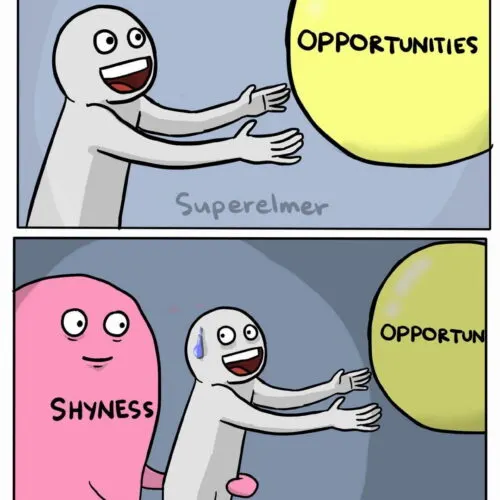
Filipino artist Elmer Saflor, creator of the viral 2017 "Running Away Balloon" comic, has filed a lawsuit against Memes Apps LLC, which runs the AI-powered platforms Memes.ai and Memes AI Studio, alleging copyright infringement. Saflor claims the company sells paid subscriptions to an ad-generation tool that reproduces his comic as a template without permission, and he wants the case to establish clearer rules on how AI platforms may licence and commercialise viral internet content.
Saflor has not seen his meme used in an actual advert and filed suit partly to compel discovery, while Memes Apps offers subscription tiers priced at $40 and $199 a month that include access to template memes. Internet law expert Eric Goldman told Ars Technica that a 2024 ruling over the "SuccessKid" meme supports Saflor's position that using memes in adverts likely isn't fair use, though targeting the generator itself, rather than individual advertisers, is a riskier legal strategy that could have wider implications for the meme ecosystem if the court rules broadly.
In short
- Artist sues Memes.ai over unauthorised commercial use of his viral comic
- Case could set precedent for AI meme generators' copyright liability
- Legal expert says suing the platform, not advertisers, is a risky approach
Steelman: both sides, in good faith
The strongest fair case each way — we don't pick a winner.
The case for
Original creators deserve legal protection and compensation for commercial exploitation of their work. When a company builds a profitable subscription service around providing access to copyrighted works without permission or licensing, this represents copyright infringement requiring legal remedy. Protecting creator rights ensures artists maintain control over their creations and receive fair value for commercial uses, preventing systematic exploitation of viral internet content by commercial platforms.
The case against
Liability should rest with end users creating derivative works, not platform providers offering tools for content creation. Users generate novel advertisements using a template format, which constitutes transformative work distinct from the original comic. Pursuing legal action against platforms rather than individual advertisers establishes problematic precedent that could impose impossible monitoring burdens and chill development of creative tools. Platform neutrality and the distinction between distribution and user enablement are legally and practically important for maintaining accessible creative infrastructure.
Explained simply
The "Running Away Balloon" is an internet meme created by Filipino artist Elmer Saflor that went viral in 2017. The simple comic drawing became enormously popular online, with many people using and sharing it as a template. It depicts a figure gazing at a balloon drifting away, and is commonly used to express feelings about losing or being unable to hold onto something.
Memes Apps LLC runs AI-powered platforms that let users create customised memes from a library of templates for use in advertisements and other purposes. The company charges monthly subscriptions, ranging from $40 to $199, to access these templates. Saflor's "Running Away Balloon" has been included in this commercial template library, which prompted him to file a lawsuit.
The lawsuit raises questions about copyright protection and who owns the rights to viral internet content. If courts rule in Saflor's favour, it could establish clearer rules about how AI platforms and meme generators must handle popular online creations. The outcome may have broad implications for how such platforms operate and what rights creators have over their work.
AI Art Culture Entertainment Music Technology Trending Weird & Viral