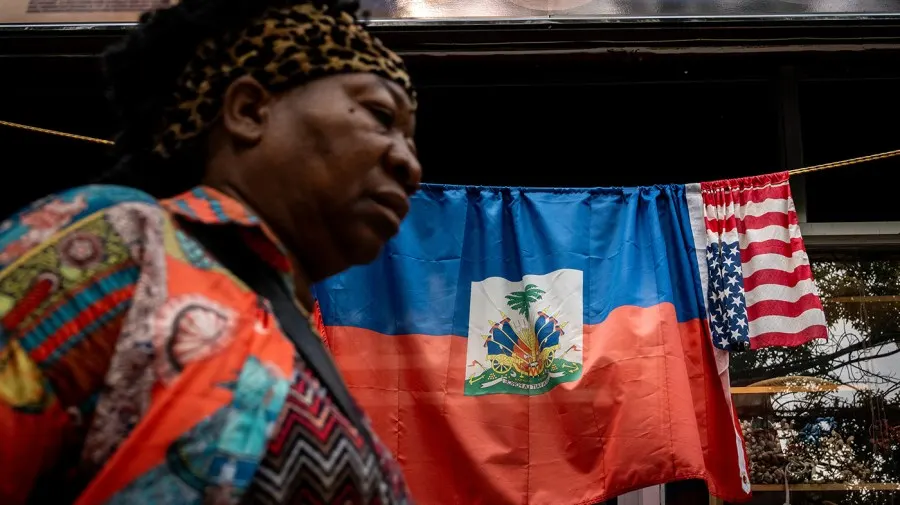
As Haitians brace for end of TPS, some Republicans rejoice
Both the pasted text and a direct fetch return only The Hill's access-denied/JavaScript-required page — the actual article content isn't available to me. I can't produce an accurate summary without the real text, and I won't fabricate one based on the headline alone.
If you can paste the article body directly (e.g. copy from the browser page), I'll summarise it right away.
Steelman: both sides, in good faith
The strongest fair case each way — we don't pick a winner.
The case for
Supporters of maintaining Haitian TPS point to humanitarian concerns, arguing that abrupt termination would displace individuals and families who have established themselves economically and socially in the United States whilst Haiti faces ongoing political instability, gang violence, and vulnerability to natural disasters. They contend that these individuals have demonstrated their value to American communities and workforces, and that honouring temporary protection granted in good faith reflects both practical stability and moral responsibility.
The case against
Proponents of ending TPS emphasise that temporary protected status was designed as a limited, emergency measure rather than a permanent immigration pathway, and that indefinite extensions undermine the rule of law and established immigration procedures. They argue that Haiti and other nations should address their internal conditions rather than relying on extended US protection, and that resources should prioritise those pursuing formal legal immigration channels, treating all applicants fairly within the system.
Explained simply
Temporary Protected Status is a US immigration programme that lets people from countries facing dangerous conditions live and work in the United States for a limited time. Haiti has been covered by the programme, and many Haitians in the US have relied on it while conditions at home remain unstable.
The programme does not itself provide permanent residency or citizenship. Decisions to extend or end protection are made by the US government, and an end can leave people who have no other legal status at risk of losing permission to work and remain in the country. The issue has drawn differing responses from Republicans, including some who support ending the protection.