Celebrity claims he will ‘kill himself’ if allegations of ‘inappropriate and exploitative sexual activities with a large number of girls and young women’ are published, High Court hears
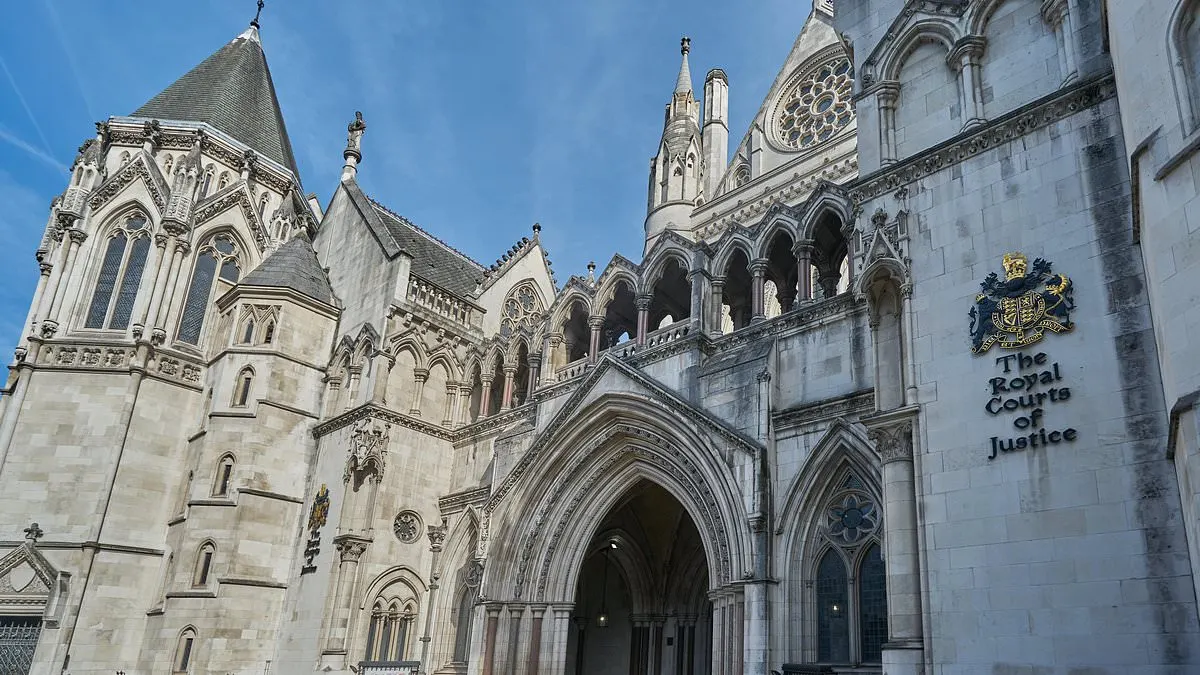
A celebrity identified in court only as PPT is seeking a High Court injunction to prevent ITN and The Guardian from publishing sexual misconduct allegations. His lawyers say publication could worsen his severe mental health problems and lead him to take his own life, raising questions about how courts should balance personal safety and the public interest.
PPT denies the allegations and argues that publication would breach his rights under the European Convention on Human Rights. The media organisations say the claims are credible and in the public interest, based on a rigorous investigation involving more than 30 first-hand sources. A psychiatrist described PPT’s mood disorder as treatable and said inpatient care could reduce the risk of a successful suicide if the allegations were published.
In short
- PPT is seeking to block publication of sexual misconduct allegations.
- He denies the claims and says publication could endanger his life.
- The media outlets cite a 30-plus-source investigation and public interest.
Steelman: both sides, in good faith
The strongest fair case each way — we don't pick a winner.
The case for
A court could grant an injunction if publication creates a serious, foreseeable risk to PPT’s life, particularly given evidence of severe mental health problems and his denial of the allegations. Preventing publication temporarily could protect his privacy and safety while the claims are tested, without deciding whether they are true.
The case against
The media organisations can argue that allegations of serious sexual misconduct, supported by many first-hand sources and a rigorous investigation, are matters of substantial public interest. An injunction could prevent the public from scrutinising those claims and restrict freedom of expression; evidence that treatment and inpatient care could reduce the risk may weigh against suppressing publication altogether.
Explained simply
A High Court injunction is a court order that can temporarily stop information being published. PPT, whose identity has been withheld in court, is asking for an order against ITN and The Guardian, which want to report allegations of sexual misconduct; he denies them.
The case raises questions about the right to privacy and safety, and the media’s freedom to publish information considered to be in the public interest. Judges must weigh those rights and the evidence before deciding whether publication should be restricted.