World news and discussion on TalkFuse.
As Trump Goes to China, A.I. Tensions Surge Amid Spying and Safety Fears
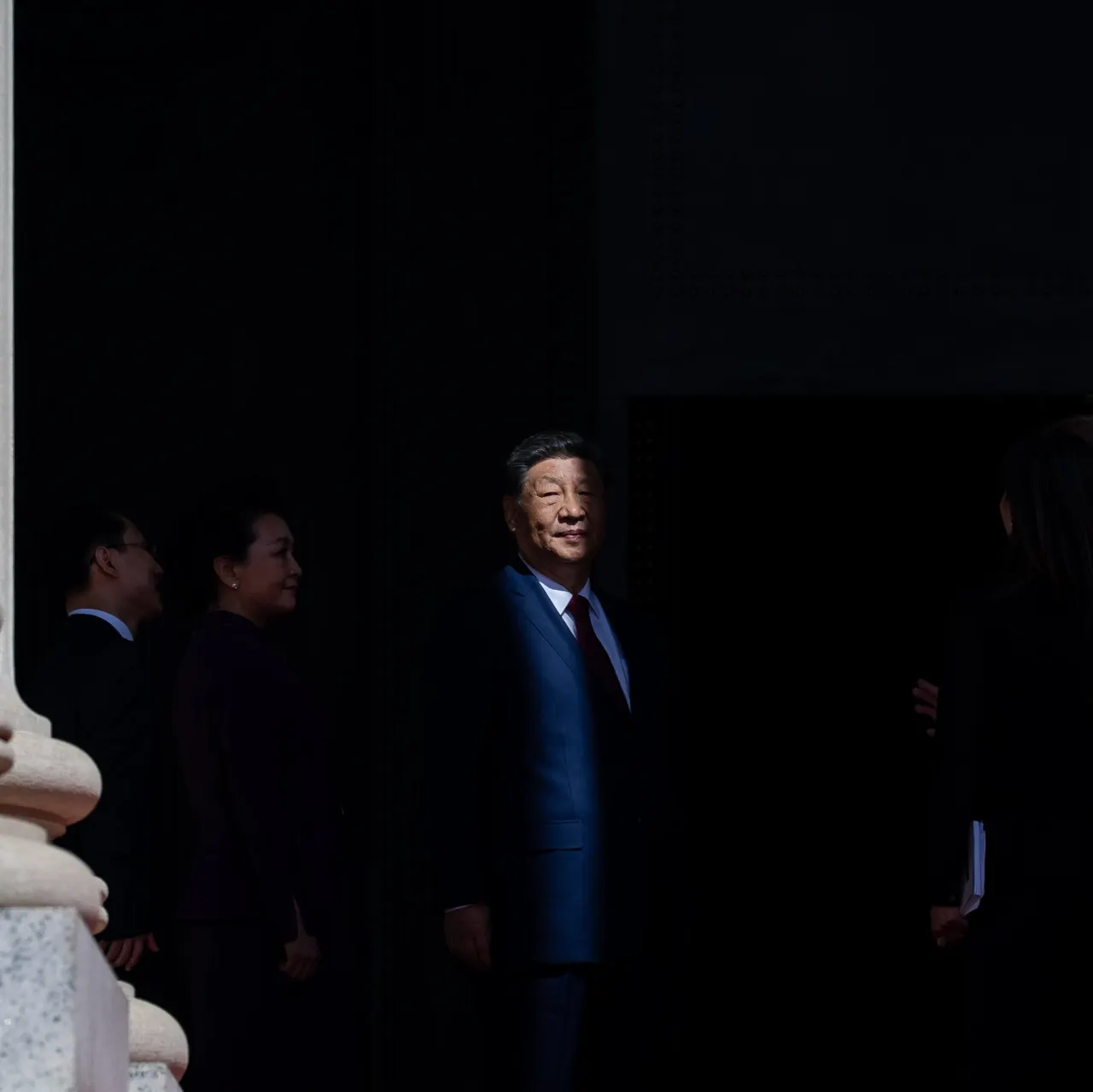
As Donald Trump prepares to meet Xi Jinping in Shenzhen, the United States and China have made little progress on shared rules for artificial intelligence, despite both leaders previously voicing support for its responsible development. Their disagreements over the technology’s risks, alongside suspicions of espionage, deepen mistrust between the two countries and complicate efforts to keep their rivalry from becoming destabilising.
The article says US officials are especially concerned about AI operating beyond human control, while China’s government appears more focused on AI being used to challenge the Communist Party. Both countries suspect the other is spying to gain an advantage in AI, and China’s Ministry of State Security is reported to use AI for intelligence gathering. The tensions are sharpened by Nvidia chief Jensen Huang’s resignation after reports of US intelligence linking a woman close to him to China’s main spy agency; Secretary of State Marco Rubio said AI safety discussions remain a work in progress.
In short
- US-China AI safety talks have made little progress.
- The countries disagree over AI’s main risks.
- Espionage suspicions add strain ahead of the Trump-Xi meeting.
Steelman: both sides, in good faith
The strongest fair case each way — we don't pick a winner.
The case for
The United States and China have reason to seek shared AI safeguards: systems that act beyond human control or are used for espionage could create serious risks across borders. Dialogue could reduce miscalculation and build confidence, even if the countries differ over which dangers deserve priority.
The case against
A strong case for caution is that cooperation may expose sensitive capabilities or intelligence while offering few guarantees that either government will comply. The countries also define AI risks differently, and amid deep mutual suspicion, formal rules could be hard to verify or could constrain one side without meaningfully limiting the other.
Explained simply
Artificial intelligence (AI) refers to computer systems that can perform tasks such as analysing information and generating text. The United States and China are competing to develop the technology, while also discussing whether they can agree on rules for its safe use.
The two governments have different concerns: US officials have focused on the risk that advanced AI could act beyond human control, while China’s leaders are concerned about technology being used to challenge the Communist Party. Both countries also suspect the other of using espionage to gain an advantage, adding mistrust to talks about managing the risks.
AI matters because it could affect national security, intelligence work and the balance of power between the countries. Without shared rules or reliable communication, disagreements over its development and use could make the wider rivalry harder to manage.
Asia Geopolitics Politics World