Technology news and discussion on TalkFuse.
Asian shares set for worst week since 2020 amid AI spending concerns
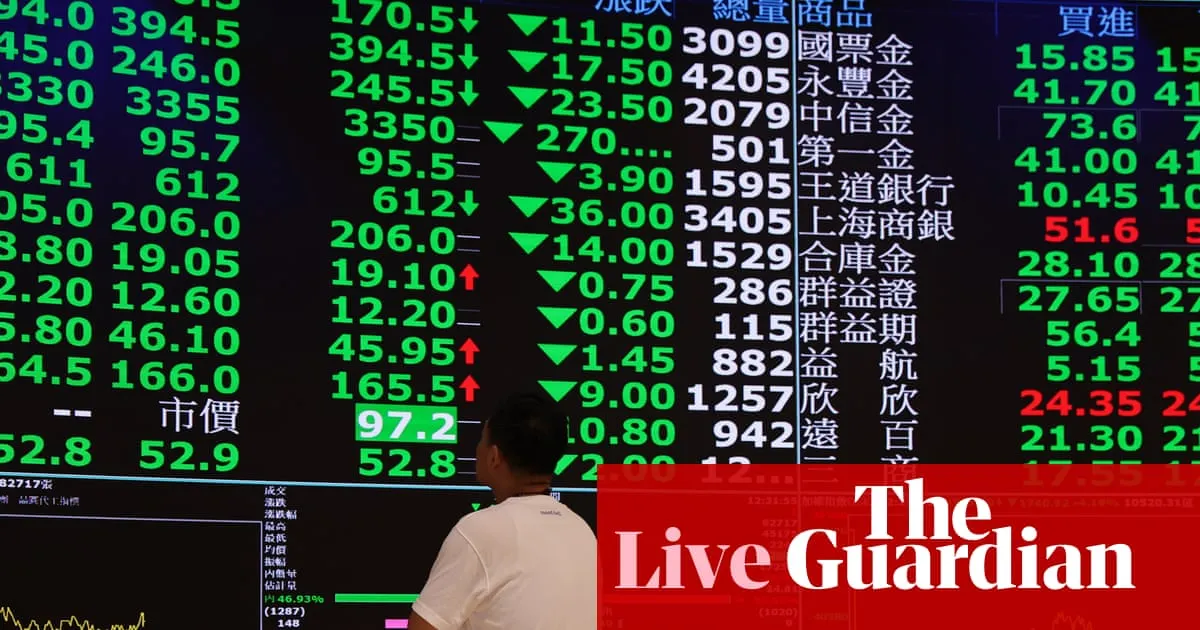
Asian shares fell sharply as investors questioned whether heavy spending on artificial intelligence will generate returns sufficient to justify the investment. The sell-off followed Anthropic’s high-profile stock market debut, which valued the company at $1.7 trillion, but its shares also slipped after trading.
Taiwan’s market dropped 6.7% on Friday, taking its weekly loss above 16% and putting it on course for its steepest five-day fall since 1990. South Korean shares fell more than 5%, while the MSCI EM Asia index was down nearly 9% for the week, its worst performance since March 2020; declines also hit other markets and assets, including gold and bitcoin.
In short
- Asian shares are on course for their worst week since 2020.
- Taiwan’s market has fallen more than 16% this week.
- Anthropic’s $1.7tn debut has not calmed AI investment concerns.
Steelman: both sides, in good faith
The strongest fair case each way — we don't pick a winner.
The case for
The sell-off can be seen as a prudent reassessment of risk: a huge valuation and heavy AI investment do not guarantee profits, and investors are right to ask whether future returns will justify the costs. Repricing expectations now may help prevent capital being committed on overly optimistic assumptions and limit the damage if demand or earnings disappoint.
The case against
The sharp declines may reflect fear and momentum more than a careful assessment of the long-term prospects for AI. Large investments can build infrastructure and capabilities whose returns take time to emerge, so a broad regional sell-off could punish sound businesses alongside speculative ones and make it harder for firms to pursue potentially valuable innovation.
Explained simply
AI companies such as Anthropic develop software that can generate text, images and computer code. Their growth depends on large investments in computing chips, data centres and electricity, while investors weigh whether future sales and profits will cover those costs.
Technology firms and chipmakers across Asia are exposed to this spending because they supply equipment and components used to build AI systems. Share prices reflect investors’ expectations as well as current earnings, so doubts about how quickly AI investment will pay off can affect markets well beyond the companies developing the technology.
A broad fall in share prices can affect savings and investment funds, and can influence how readily companies raise money. The scale of the movement matters because Asian markets are closely linked to global supply chains and international investors.
AI Asia Business Companies Government Markets Middle East Politics Technology UK World
Read the full article at the source →
Originally published by The Guardian as “Asian stocks headed for worst week since 2020 as Anthropic IPO fails to end AI rout – business live”.