Technology news and discussion on TalkFuse.
At COP31, Venezuela touts AI as path to cleaner oil production
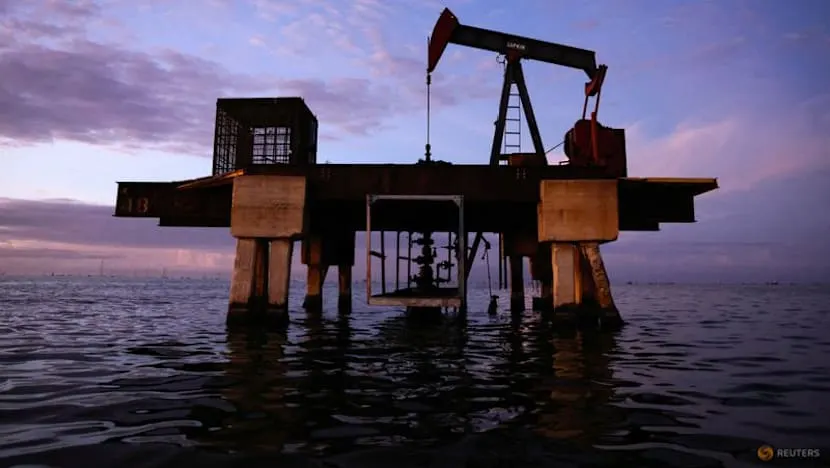
At the COP31 climate summit, Venezuela said it plans to use artificial intelligence to make oil and gas production more efficient and reduce emissions, while continuing to expand output. The approach reflects its position that technology can limit fossil fuels’ environmental impact without phasing out production, a point of dispute in climate talks.
Vice Minister Albania del Mar Villarroel Gomez said AI would help monitor methane leaks and emissions and improve oilfield operations. Venezuela’s upstream methane emissions intensity is nearly six times the global average, and it has not signed the Global Methane Pledge. The country produced about 1.2 million barrels of oil a day in September, while state oil company PDVSA aims to reach 1.5 million barrels a day by the end of next year. Villarroel said Venezuela favours smaller AI systems powered mainly by hydroelectricity, which supplies about 80 per cent of its electricity.
In short
- Venezuela plans to use AI to reduce oil production emissions.
- Its methane emissions intensity is nearly six times the global average.
- PDVSA aims to raise output to 1.5 million barrels a day.
Steelman: both sides, in good faith
The strongest fair case each way — we don't pick a winner.
The case for
Venezuela’s case is that AI can find methane leaks, cut waste and improve operations while supporting energy production that the country plans to expand. Smaller systems powered mainly by hydroelectricity could limit the technology’s own energy footprint, and improving emissions intensity may be a practical step where a rapid phase-out is not currently considered feasible.
The case against
Critics can argue that efficiency gains do not resolve the underlying climate impact of continued and expanding oil production, and may help prolong reliance on fossil fuels. With methane emissions intensity far above the global average and Venezuela outside the Global Methane Pledge, they may see firm emissions cuts and limits on production as more credible priorities than a technology plan whose results remain uncertain.
Explained simply
Venezuela has large oil and gas reserves, and its state oil company, PDVSA, is responsible for much of the country’s production. The sector provides an important source of income, but extracting and processing fossil fuels can release greenhouse gases, including methane, which traps heat in the atmosphere.
At climate negotiations, countries disagree over whether cleaner technology can reduce the harm from continued fossil fuel production or whether production must be phased down. Venezuela has not signed the Global Methane Pledge, an international commitment to cut methane emissions, and its oil sector emits much more methane per unit of production than the global average.