Australia’s unemployment rate hits five-year high as inflation surges under Albanese government
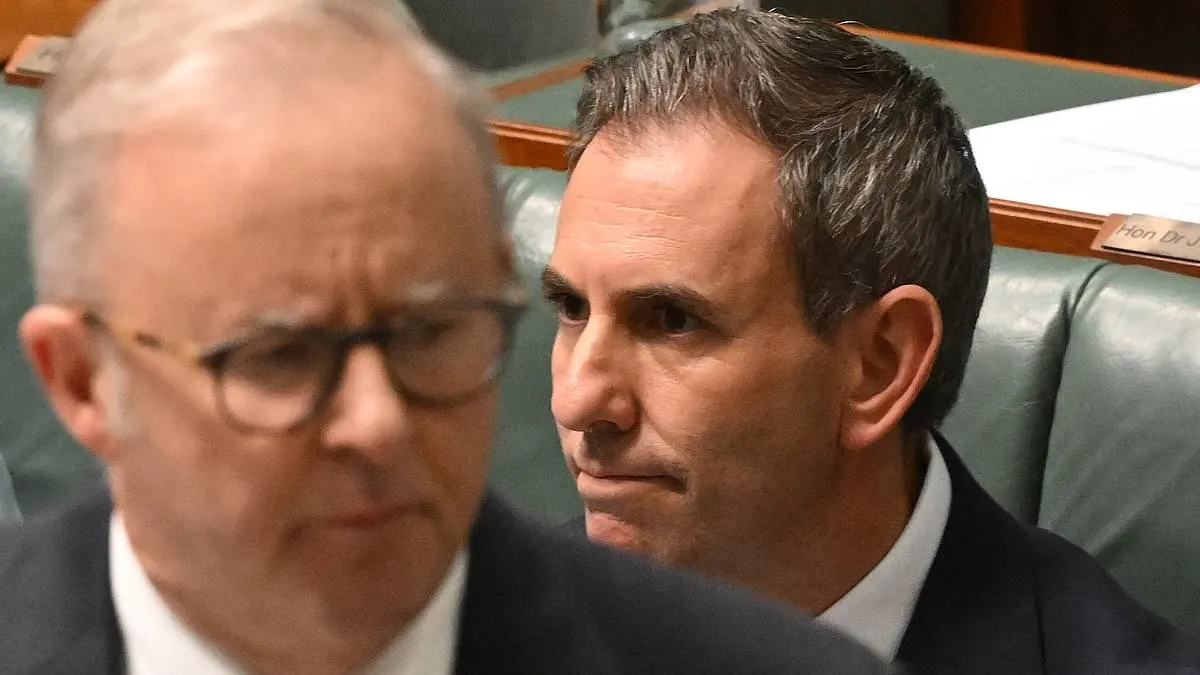
Australia’s unemployment rate rose to 4.7 per cent in September, its highest level since October 2021, as employment fell sharply and the result missed market expectations. The figures point to further easing in the labour market and matter for efforts to bring inflation back to target, as Reserve Bank staff warned weak productivity may mean a higher unemployment rate is needed to contain price rises.
Employment fell by 39,300, when analysts had expected a 20,000 increase, while the number of unemployed people rose by 8,900. August’s rate was revised up to 4.7 per cent, the participation rate fell 0.2 percentage points to 66.8 per cent, and unemployment has climbed 0.6 points since the start of the year, above the RBA’s 4.5 per cent forecast for the December quarter. The IMF projected a 4.7 per cent rate in 2027, while Treasurer Jim Chalmers was due to attend IMF-World Bank meetings and raise the economic effects of the Middle East conflict.
- Australia’s jobless rate reached 4.7 per cent in September.
- Employment fell by 39,300, contrary to forecasts.
- Weak productivity may complicate efforts to curb inflation.
New here? Start with this
Australia’s unemployment rate measures the share of people in the labour force who are looking for work but do not have a job. The labour force includes people who are employed and those actively seeking work; people who are not looking for a job are not counted as unemployed.
The Reserve Bank of Australia sets interest rates to help keep prices stable while supporting employment. Inflation is the pace at which prices rise, and higher interest rates can reduce spending and price pressures, but may also slow hiring. The relationship between jobs and inflation is not exact, and changes in unemployment are considered alongside other economic data.
The federal government, led by Prime Minister Anthony Albanese, is responsible for the national budget and economic policy. Treasurer Jim Chalmers oversees the government’s finances, while the RBA makes interest-rate decisions independently. The balance between containing price rises and maintaining employment affects households, businesses and government planning.
Both sides, in good faith
The strongest fair case each way — we don't pick a winner.
The case for
The rise in unemployment may reflect the labour market cooling after a period of tight conditions, which can reduce pressure on wages and help bring inflation back towards target. If inflation eases, households may face less strain from rising prices and the Reserve Bank may have more scope to avoid further rate rises; the figures also provide a reason to reassess economic forecasts and policy settings.
The case against
A sharp, unexpected fall in employment and a higher unemployment rate point to real costs for workers and households, especially if weaker hiring makes it harder to find work or keep income steady. With unemployment already above the RBA’s forecast and inflation still a concern, the economy may face the damaging combination of a softer labour market and continued price pressures, rather than a smooth return to stable prices.