Video games news, releases, esports and culture — all the biggest gaming stories in one place.
Avengers: Doomsday is a make-or-break moment for the MCU
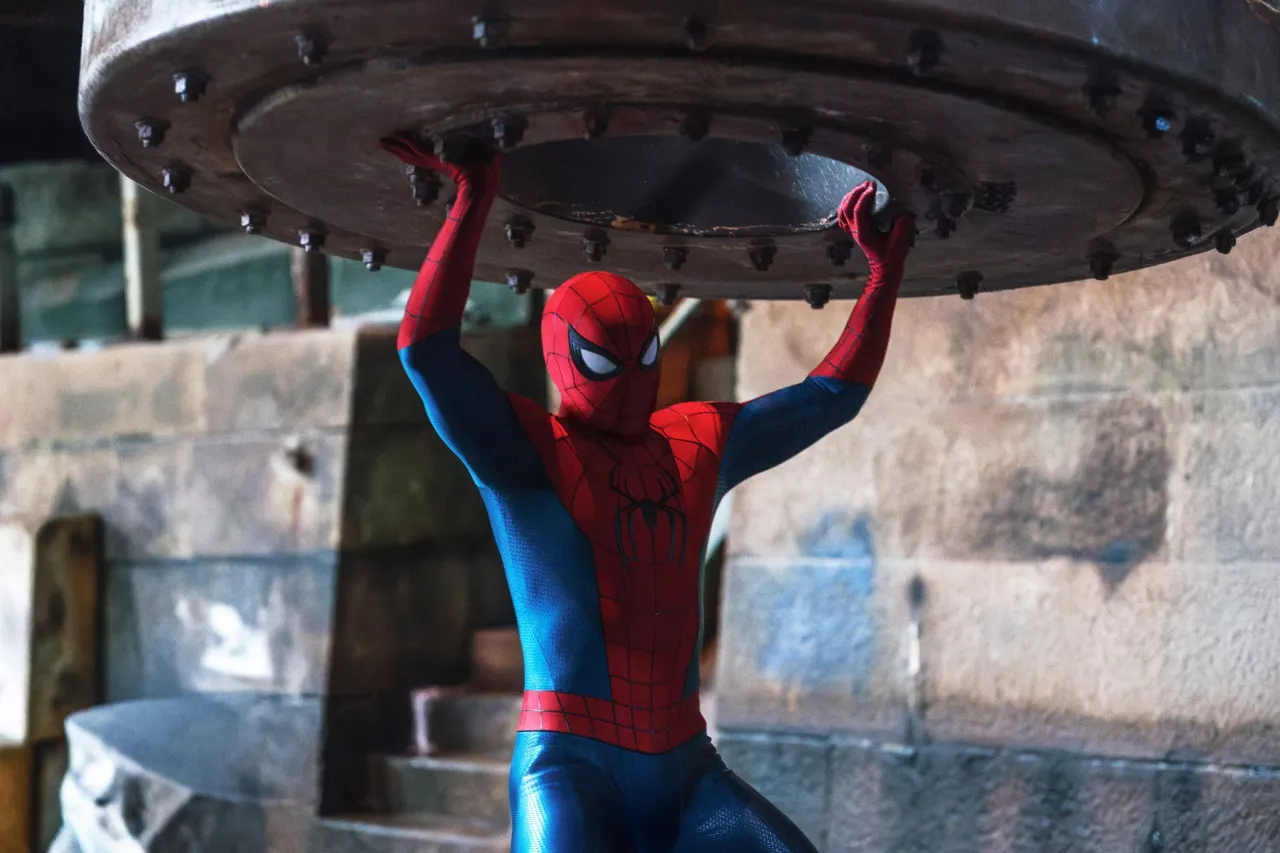
Marvel is heading into Avengers: Doomsday this December in a very different climate to a decade ago, when the studio's films dominated cinema screens and cultural conversation. Despite a high-profile San Diego Comic-Con panel revealing casting news and future projects, audience enthusiasm has been noticeably more muted, reflecting fatigue after a Multiverse Saga marked by uneven films, abandoned storylines and a much-discussed change of villain plans.
The Comic-Con panel confirmed Doomsday's cast and teased upcoming titles including Ghost Rider, Black Panther 3 and Nova following Secret Wars, alongside a surprise Ryan Reynolds appearance, yet social media reaction was reportedly more critical than excited, and it did not notably boost viewing of older MCU films on Disney Plus. The author argues Doomsday represents a genuine turning point: strong early reception for Spider-Man: Brand New Day shows audiences still back well-made superhero films, but Marvel needs Doomsday to deliver a satisfying payoff or risk losing goodwill for future multi-film sagas.
In short
- MCU excitement has cooled significantly compared to a decade ago
- Comic-Con Doomsday panel drew a lukewarm rather than ecstatic response
- Doomsday must deliver to justify the messy Multiverse Saga build-up
Steelman: both sides, in good faith
The strongest fair case each way — we don't pick a winner.
The case for
The MCU's business model depends on audiences investing across multi-film sagas, yet evidence of declining engagement, abandoned storylines, and notably muted Comic-Con reception suggests audience trust in this model has eroded. Doomsday must restore confidence that such sagas will deliver satisfying payoffs; failure would threaten not just box office performance but the interconnected approach that built MCU dominance.
The case against
No single film fundamentally breaks an entire major franchise with vast resources and global reach. Whilst Doomsday's success matters commercially, 'make-or-break' language overstates the stakes—the MCU will continue operating and adjusting regardless of this film's reception. Audience enthusiasm is cyclical and responsive to course correction, so one underperforming entry does not threaten the franchise system itself.
Explained simply
Marvel's Avengers: Doomsday, out this December, is the next big instalment in the Marvel Cinematic Universe (MCU), the shared series of superhero films that began in 2008. It caps off what Marvel calls the "Multiverse Saga", a run of films and TV shows that has been less consistently well-received than the studio's earlier output, and follows reports of a late change to the film's central villain.
Marvel recently held a panel at San Diego Comic-Con, a major entertainment convention, to reveal cast details for Doomsday and preview future projects such as Ghost Rider, Black Panther 3 and Nova. Interest in the MCU has cooled compared with a decade ago, when its films were reliably among the biggest events in cinema, and some now question whether the franchise can recapture that level of audience enthusiasm.
Doomsday matters because it is widely seen as a test of whether Marvel can still deliver a satisfying, crowd-pleasing conclusion to a long-running storyline. Its reception is likely to shape confidence in Marvel's future plans, including further multi-film sagas building on this one.
Avengers: Doomsday Entertainment Film Gaming