Technology news and discussion on TalkFuse.
Babylon Bee sues New Mexico officials over law requiring AI disclaimers on political satire
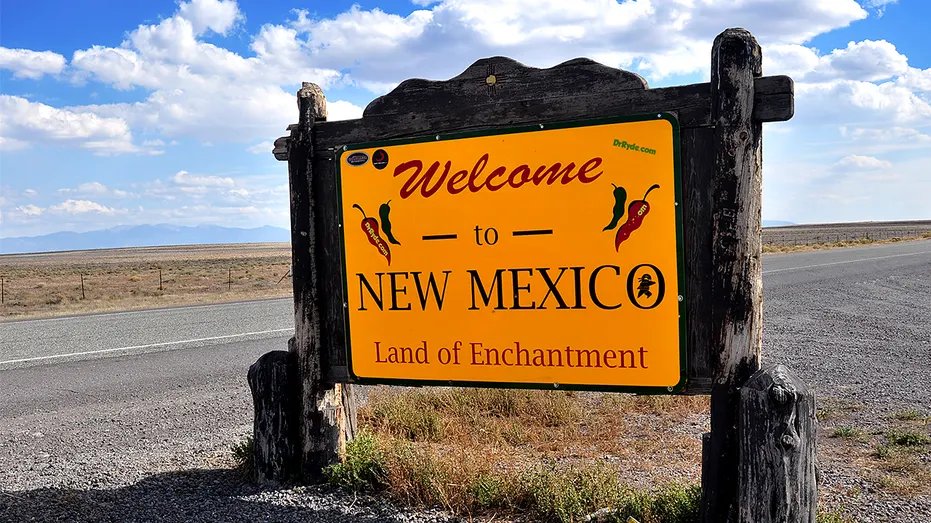
The Babylon Bee, a satirical news website, has filed a lawsuit against New Mexico officials over a new state law, HB 182, which requires disclaimers on political content generated with artificial intelligence, arguing that it unconstitutionally restricts satire and parody. The site is represented by the conservative legal group Alliance Defending Freedom, which contends the law amounts to government coercion that threatens core political speech by penalising humour and commentary rather than genuinely misleading content.
ADF counsel Jim Campbell said the law "crosses a dangerous line" by forcing disclaimers onto political humour, which he described as unconstitutional. The case adds to a wider debate playing out in several US states over how far governments can go in regulating AI-generated political content without infringing on free-speech protections, particularly when such rules sweep up clearly satirical material alongside genuine disinformation concerns.
In short
- Babylon Bee sues New Mexico over AI disclaimer law
- Alliance Defending Freedom calls the law unconstitutional coercion
- Case tests limits of AI regulation on political satire
Steelman: both sides, in good faith
The strongest fair case each way — we don't pick a winner.
The case for
Political satire and parody have historically enjoyed robust First Amendment protection because vigorous, exaggerated commentary is essential to free political discourse. Applying a blanket AI-disclosure requirement to political content—including content that is obviously humorous—constitutes government-compelled speech that threatens this protection, and the law's broad scope demonstrates it is not narrowly tailored to address genuine deception. Allowing states to mandate disclaimers on political speech, however measured the requirement appears, establishes a dangerous precedent that grants officials power to regulate the form and presentation of political expression.
The case against
AI technology presents a genuinely novel regulatory challenge because sophisticated generative systems can produce content that appears authentic and realistic in ways traditional satire does not, potentially deceiving voters about whether statements represent real policy or actual public figures. A narrow requirement to label AI-generated political content serves the legitimate state interest in voter information and election integrity without banning speech or preventing satire, merely asking creators to identify their methods. Such modest transparency measures represent a proportionate government response to a specific technological challenge rather than a blanket restriction on political speech, allowing both satirists and serious commentators to operate freely whilst protecting the democratic process from confusion.
Explained simply
The Babylon Bee is a US satirical news website that uses humour and parody to comment on politics and public life. Its case concerns New Mexico’s HB 182, a state law requiring disclaimers on political content generated with artificial intelligence (AI).
The site is challenging the law in court, represented by the legal group Alliance Defending Freedom. The dispute raises questions about how rules for AI-made political content apply to satire, and how those rules fit with protections for free speech under US law.
Similar debates are taking place in other US states as officials consider how to address AI-generated political material. The outcome could help shape how such rules treat parody as well as content intended to mislead voters.