Baldur’s Gate series overlords Hasbro take $56 million hit after cancelling several games due out in “2028 and beyond”, with Exodus and Warlock unaffected
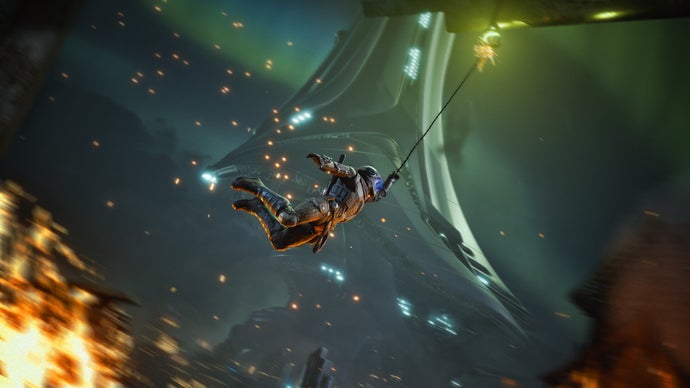
Hasbro has recorded a $56 million impairment charge tied to the cancellation of several Digital Games projects originally slated for "2028 and beyond," the toy and games giant confirmed as part of its latest financial results. The move signals a narrower, more cautious approach to Hasbro's in-house game development, even as titles targeting 2027, such as Exodus from Archetype Entertainment and Warlock: Dungeons & Dragons, remain unaffected and on track.
Hasbro has not named which specific projects make up the writedown, but reports point to the Dungeons & Dragons action-adventure game from Giant Skull, led by former Star Wars Jedi: Fallen Order director Stig Asmussen, after Hasbro pulled out of a publishing deal with the studio in May. The status of a project from Atomic Arcade, the GI Joe game developer Hasbro closed earlier this year, also remains unclear. Hasbro said it will keep focusing owned development on titles with "the clearest upside," while leaning more heavily on licensing and partnership deals, of the kind that produced Monopoly Go! and Baldur's Gate 3, for its broader portfolio. The company has yet to confirm a studio for a new mainline Baldur's Gate game following Larian's decision not to pursue a sequel to Baldur's Gate 3.
In short
- Hasbro takes $56m hit cancelling several 2028-plus games
- Exodus and Warlock: Dungeons & Dragons remain unaffected, still due 2027
- Giant Skull's D&D game likely among cancellations; Hasbro to focus on licensing deals
Steelman: both sides, in good faith
The strongest fair case each way — we don't pick a winner.
The case for
Hasbro's pivot towards licensing partnerships and away from in-house game development reflects sound business discipline. The company's proven successes—Baldur's Gate 3 and Monopoly Go!—both came through partnerships with specialised developers rather than internal teams. Taking a $56 million writedown on projects unlikely to generate adequate returns demonstrates financial prudence, whilst reallocating resources to the company's genuine competitive strength: creating and licensing premium intellectual property to capable external studios.
The case against
Hasbro's decision to abandon in-house game development after greenlit projects represents a failure of strategic commitment and vision. Building genuine game development capability requires sustained investment through learning cycles; retreating to pure licensing outsources creative control over D&D, the company's most successful modern franchise, to third parties who may not share its IP vision. This reactive approach suggests poor greenlight discipline and forfeits the opportunity to shape how beloved properties reach players in gaming's most lucrative medium.
Explained simply
Hasbro is the company behind board games such as Monopoly and owns the Dungeons & Dragons and G.I. Joe brands. Its Digital Games business develops and publishes video games based on those properties, sometimes working with outside studios.
The cancelled projects were planned for 2028 or later, but Hasbro has not identified them all. Reports have linked one possible cancellation to a Dungeons & Dragons game by Giant Skull; the status of a G.I. Joe project is also unclear. Hasbro has said games planned for 2027, including Exodus and Warlock: Dungeons & Dragons, are unaffected.
Hasbro can make games itself or work with other studios through licensing and publishing deals. That approach helped bring games such as Baldur’s Gate 3 to market; its developer, Larian, has said it will not make a sequel, and Hasbro has not named a studio for the next mainline game.
Americas Art Business Companies Culture Entertainment Gaming Software Technology TV