Bank of England and IMF bosses issue stark warning on cyber threat to trust
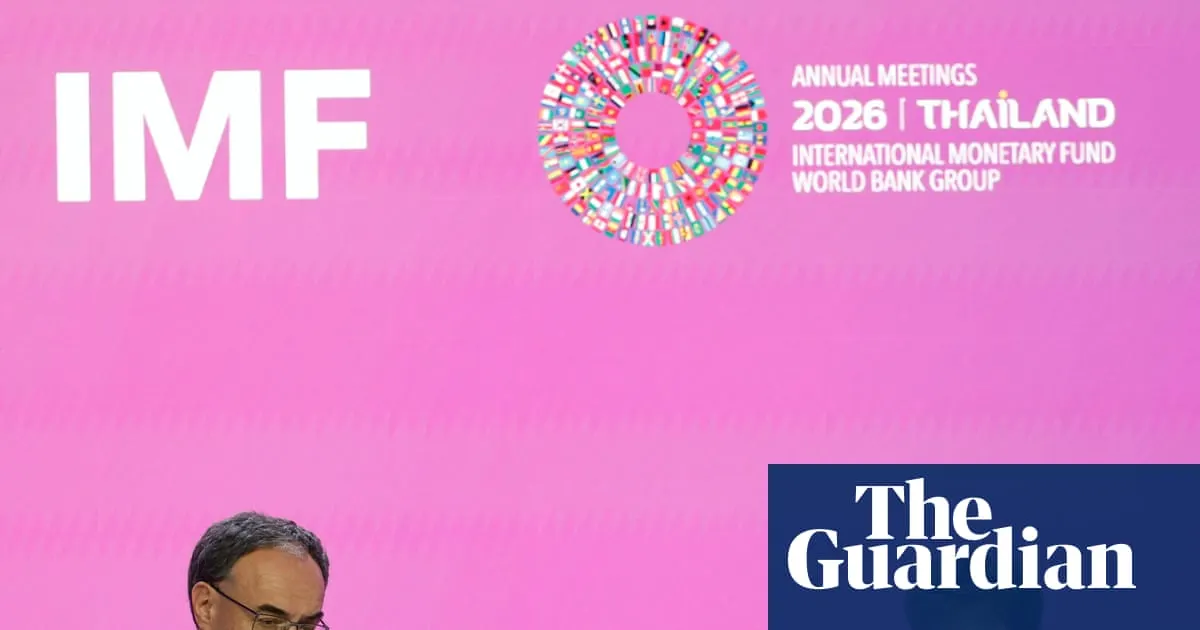
Bank of England governor Andrew Bailey and IMF managing director Kristalina Georgieva warned that growing cyber-attacks and fraud could erode trust in financial services. They said that if people lose confidence, some may withdraw from formal banking, weakening a system that depends on technology and public trust.
Speaking at an IMF and World Bank meetings panel in Bangkok, Bailey urged social media and technology companies to take responsibility because fraud is often spread through their platforms. Georgieva said the risk is especially serious for people on the margins of the financial system. The IMF had rated global financial stability risks as “elevated”, citing the possibility of a major cyber-attack alongside higher borrowing costs and a potential AI share-price crash; the panel launched international anti-fraud principles known as the Bangkok blueprint.
- Cyber fraud could weaken trust in financial services.
- Georgieva warned people may leave formal banking.
- Bailey called for tech firms to share responsibility.
New here? Start with this
Banks and other financial services rely on digital systems to handle payments, savings and borrowing. People also need confidence that their money and personal details are safe; without it, some may avoid formal banking.
Andrew Bailey leads the Bank of England, which oversees the UK’s financial system, and Kristalina Georgieva heads the International Monetary Fund, which works with countries on economic stability. Fraud can reach people through social media and technology platforms, while those with limited access to financial services may be especially exposed.
Cyber-attacks can disrupt services or expose information, and fraud can cause people to lose money. Because financial institutions and technology companies are connected, problems at one can affect trust in the wider system.
Both sides, in good faith
The strongest fair case each way — we don't pick a winner.
The case for
Financial services depend on reliable technology and public confidence, so rising cyber-attacks and fraud could drive people away from formal banking and leave those already financially vulnerable at greater risk. Since scams are often spread through social media and technology platforms, those companies should share responsibility for prevention and help protect users; international principles could support a more coordinated response.
The case against
The warning identifies a serious risk, but broad calls for platforms to take responsibility could impose costly or unclear duties, especially when fraud crosses services and borders. Financial institutions and regulators also control key parts of the system and should not shift their obligations elsewhere; security measures should be proportionate and preserve access, privacy and legitimate use of digital services.
Business Celebrity Cybersecurity Entertainment Software Technology UK World