BBC licence fee expected to top £200 amid row over ‘YouTube tax’
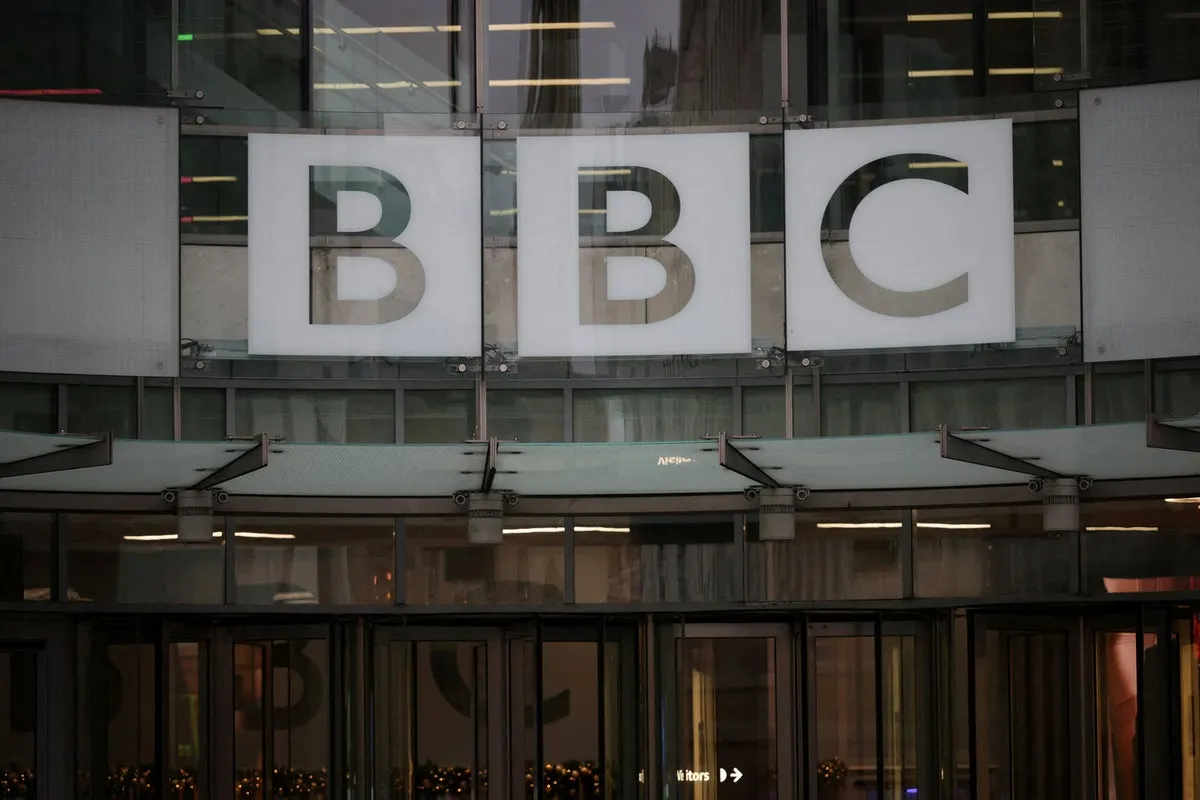
The OBR estimates the BBC licence fee could rise from £180 to £202 a year by 2031/32 as 2.7 million people stop paying it. The forecast adds pressure to the debate over how the broadcaster should be funded and comes as the government considers extending the fee to streaming services.
The proposed change, dubbed a “YouTube tax”, could require households to pay if they use services such as YouTube, Netflix or Disney+, which are currently outside the fee’s scope. The OBR’s forecast is a downgrade from its previous estimate, while the BBC says the current model needs reform. The broadcaster is also seeking to save £500 million over two years, with around 2,000 job losses expected.
In short
- The licence fee could reach £202 by 2031/32.
- The OBR expects 2.7 million people to stop paying.
- Ministers are considering extending the fee to streaming services.
Steelman: both sides, in good faith
The strongest fair case each way — we don't pick a winner.
The case for
Extending the licence fee to households using streaming services could reflect how people now watch television and broaden contributions to fund public broadcasting. With millions expected to stop paying under the current system and the BBC seeking major savings, reform could help sustain its services and spread the cost more widely.
The case against
Charging households because they use services such as YouTube or Netflix could make the fee feel less like payment for BBC access and more like a tax on internet use, including for people who rarely watch the BBC. Critics may argue that rising costs and the prospect of job cuts call for closer scrutiny of the broadcaster’s spending and funding model before the charge is extended.
Explained simply
The BBC is Britain’s publicly funded broadcaster, producing television, radio and online services. Most households that watch live TV or use BBC iPlayer must pay an annual licence fee, which helps fund its programmes and services.
The fee is set by the government, and its future is part of wider discussions about how the BBC should be funded as viewing habits change. A proposal to extend payment to people who use streaming services could bring companies such as YouTube, Netflix and Disney+ into that debate, although they are currently outside the fee’s scope.
The BBC is also trying to reduce costs, while questions about its funding affect the services it can provide and how it competes with other broadcasters. Any changes to the fee could affect households as well as the BBC’s finances.
Politics Trending Weird & Viral