BBC to Cut 2,000 Jobs as Leadership Pursues Digital-First Strategy
Developing story first seen 48 minutes ago
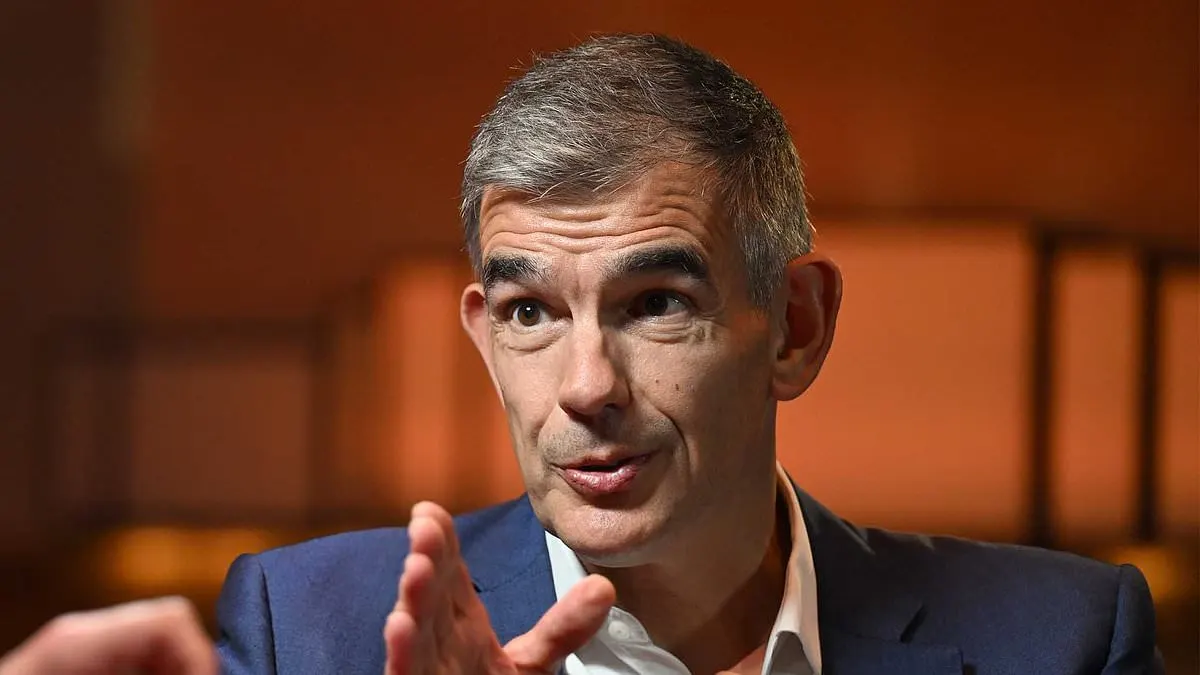
BBC director general Matt Brittin has faced staff criticism over plans to cut up to 2,000 jobs, with employees questioning whether junior and frontline workers will bear more of the impact than senior managers. The dispute comes as the corporation pursues a smaller, digital-first operation and considers major changes to its services.
At an all-staff meeting, deputy director general Rhodri Talfan Davies said changes would affect every level and that some of the steepest reductions could be among senior roles. Brittin also outlined possible iPlayer updates, including AI-assisted recommendations and BBC content from YouTube, and said the BBC should be prominent on platforms such as Netflix and Amazon Prime. BBC Three and BBC Scotland are reportedly among the linear channels that could close; the government and BBC are also considering extending the licence fee to people who watch streaming services.
- Staff challenge how the BBC’s planned cuts will be distributed.
- Up to 2,000 roles are at risk.
- Brittin outlined AI recommendations and other possible iPlayer changes.
New here? Start with this
The BBC is Britain's state-funded broadcaster, supported by television licence fees paid by viewers. The corporation is planning to cut up to 2,000 jobs as part of a major restructuring designed to shift its focus towards digital platforms such as its iPlayer streaming service.
Director general Matt Brittin is leading this strategic change, arguing that the BBC must prioritise digital services if it is to remain relevant to audiences in an era dominated by streaming. This represents a fundamental shift in how the broadcaster will operate.
The proposed redundancies have prompted concerns among staff about how the cuts will be distributed across different levels of the organisation. These concerns highlight tensions between the corporation's strategic direction and the impact of such change on its workforce.
Both sides, in good faith
The strongest fair case each way — we don't pick a winner.
The case for
The BBC faces a fundamental challenge as audiences migrate to digital platforms, particularly younger viewers who rarely watch traditional broadcasting. With limited public funding, the corporation must adapt its operations to focus resources where audiences actually are, making digital-first transformation a necessary investment in institutional sustainability. Pursuing this restructuring, whilst undoubtedly difficult, positions the BBC to remain relevant and competitive rather than clinging to an outdated model that would gradually erode its influence and cultural value.
The case against
Whilst digital transformation may be necessary, the manner of implementation raises serious fairness concerns. By concentrating redundancies among junior and frontline staff whilst protecting senior leadership positions, the BBC risks hollowing out the talent and innovation closest to audiences and most essential to content creation. This distributional unfairness undermines staff morale and institutional cohesion, suggesting the leadership has failed to explore alternative approaches that might achieve necessary efficiency without disproportionately burdening the most vulnerable workers.
Full account
The BBC is implementing a significant restructuring programme expected to eliminate approximately 2,000 positions as part of efforts to reduce operational expenditure by £500 million over the next three years. The corporation's leadership has committed to a digital-first approach, with casualties including BBC Three, the channel that has hosted acclaimed dramas and comedies, and a move towards online-only delivery of BBC Scotland's output.
Director General Matt Brittin outlined his strategic vision during a staff meeting, urging the organisation to prioritise demonstrable audience impact over process documentation. He employed the analogy of becoming "a bit more Elvis – a little less conversation, a little more action", framing the shift as requiring the corporation to showcase tangible results rather than describe internal initiatives. A cornerstone of his proposal involves transforming the iPlayer platform through artificial intelligence-powered recommendations. Mr Brittin suggested the rebranded service should inspire the public's affection comparable to rival streaming platforms, language that evidently resonated uncomfortably with listening staff members.
The meeting revealed substantial employee frustration concerning how redundancies were being distributed across the organisation's hierarchy. Staff members repeatedly challenged whether operational personnel shouldered a disproportionate burden whilst executive positions remained secure. One questioner explicitly characterised the BBC as "an incredibly top-heavy organisation" where frontline workers faced elimination whilst senior figures retained their roles and compensation. Concerns also extended to the reversal of earlier pledges made to apprentices, who now face redundancy despite being promised permanent positions. The underlying atmosphere reflected acknowledged difficulties with staff morale amid the prolonged period of employment uncertainty.
Senior management contested this narrative of inequitable treatment. Deputy Director General Rhodri Talfan Davies stated that redundancies were occurring at all organisational levels, with the steepest proportional reductions occurring among the most senior positions. Mr Brittin separately disputed characterisations of depressed workplace morale, asserting that substantial numbers of staff remained genuinely committed to the BBC's public service remit and energised by their roles, notwithstanding the broader pressures occasioned by restructuring announcements.
Where outlets differ
Source 1 emphasises the awkwardness and questionable effectiveness of Brittin's motivational messaging and focuses on specific platform innovations like the Iggy recommendation tool; Source 2 centres staff grievances about hierarchical disparities and includes leadership's substantive responses to these concerns
Source 1 specifically names programmes facing cancellation (Gavin and Stacey, Normal People, Killing Eve); Source 2 discusses cuts in broader departmental terms
Source 2 names the meeting moderator (Anna Foster from Today) and includes details about broken apprenticeship commitments; Source 1 omits these elements
Source 1 reports staff dismissing Brittin's proposals; Source 2 captures extended dialogue with management counter-arguments
Coverage
- Daily Mail — Matt Brittin urges BBC staff to focus on results amid planned cuts
- The Guardian — BBC staff challenge Brittin over junior job losses in 2,000-role cuts