‘Ben’Imana’ movie review: a landmark achievement in African cinema
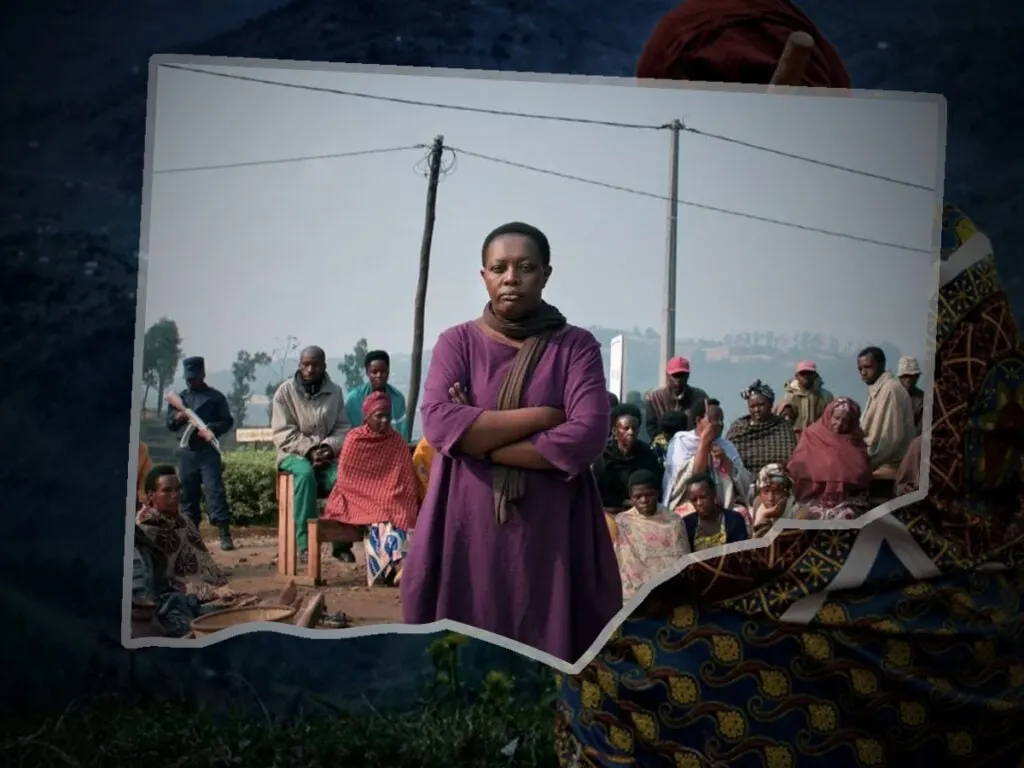
Marie Clémentine Dusabejambo’s *Ben’Imana* has become the first Rwandan film to screen at the Cannes Film Festival. The debut feature uses a modest legal and family drama to explore how the 1994 genocide continues to affect survivors and their families, and the difficult place forgiveness holds in the pursuit of justice.
Set in 2012, the film follows community leader Vénéranda as she is asked to forgive Karangwa, accused of murdering her siblings, through a local court programme led by village elders. Her sister challenges her authority to forgive on behalf of the family, while other survivors’ stories and tensions with her daughter deepen the conflict. The review praises the film’s performances and portrayal of citizen-led justice, while noting that its dramatic structure can feel familiar.
In short
- *Ben’Imana* is the first Rwandan film to screen at Cannes.
- The story examines forgiveness and community justice after genocide.
- The review praises its performances but finds parts of its structure familiar.
Explained simply
The 1994 genocide in Rwanda saw members of the Hutu majority kill hundreds of thousands of Tutsis and moderate Hutus. Its effects have continued to shape families and communities, including the difficult questions of how survivors can live alongside those responsible and what justice should involve.
After the genocide, Rwanda used community-based courts, known as gacaca, to hear cases and help address the large number of crimes. In the film, Vénéranda is asked to forgive a man accused of killing her siblings, raising questions about whether one person can forgive on behalf of a family and how forgiveness relates to justice.
Africa Entertainment Film World