World news and discussion on TalkFuse.
Bessent Takes Hawkish Turn in White House Debate on China
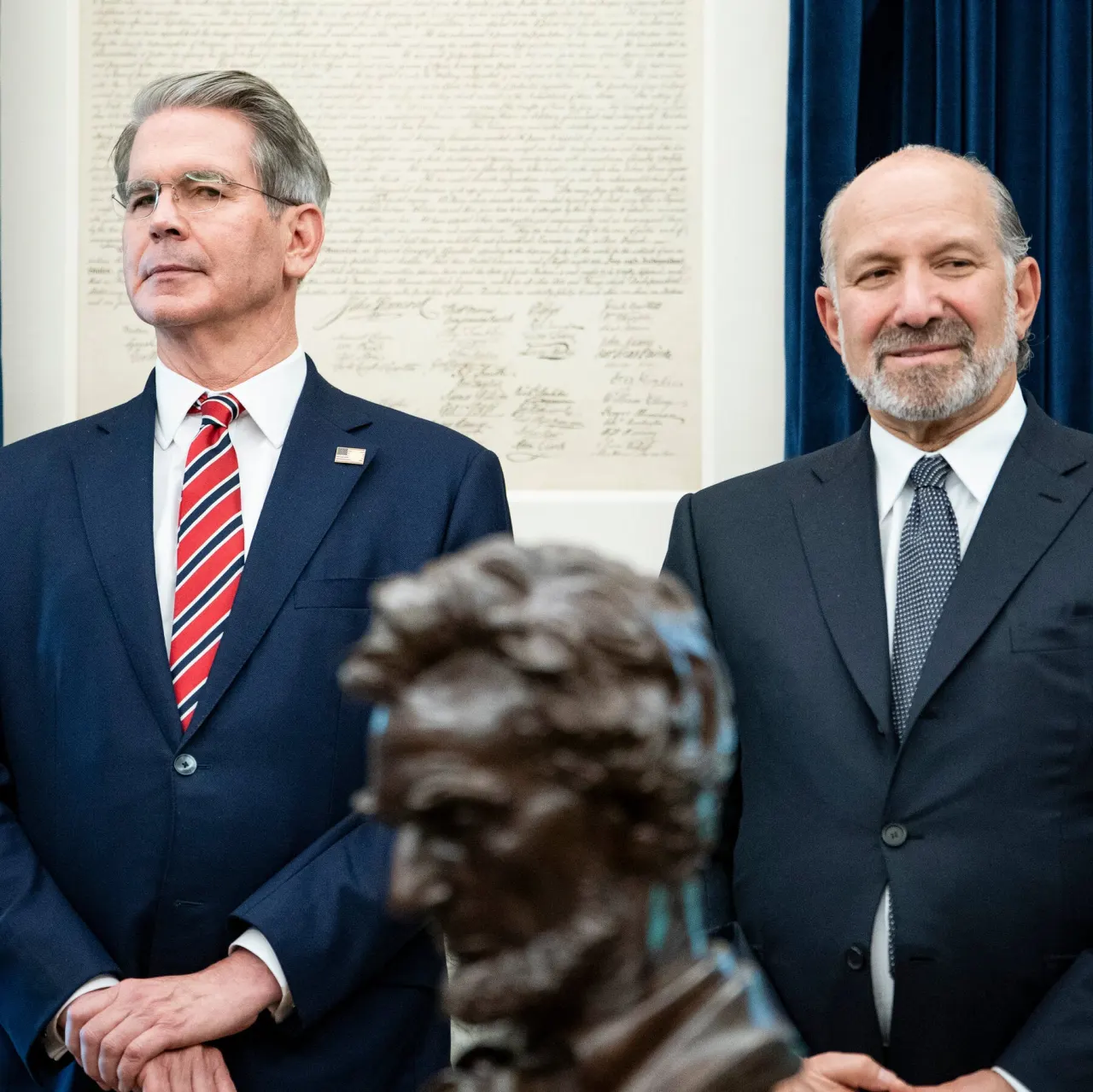
Treasury Secretary Scott Bessent has adopted a tougher stance on China, particularly over exports of advanced US technology, putting him at odds with Commerce Secretary Howard Lutnick. Their disagreement over controls on Nvidia chips is drawing attention as President Trump travels to Asia for high-stakes talks on trade and Russia’s war in Ukraine.
Bessent previously helped ease US-China tariff tensions, but has become more hawkish as concerns grow about China’s AI capabilities and the limits of tariffs and sanctions as leverage. The administration says China has not fulfilled commitments on US farm purchases or critical minerals. Bessent has publicly blamed Commerce for delays in acting against Megaspeed, a data centre company under investigation over alleged chip smuggling; Megaspeed says its business is lawful.
In short
- Bessent is taking a harder line on China.
- He and Lutnick disagree over controls on Nvidia chip exports.
- Megaspeed is under investigation over alleged chip smuggling.
Steelman: both sides, in good faith
The strongest fair case each way — we don't pick a winner.
The case for
A tougher approach to exports of advanced chips could slow China’s development of powerful AI and preserve US leverage in trade negotiations. Advocates may argue that, given concerns about unmet Chinese commitments and alleged chip smuggling, tighter controls are prudent until there is confidence that sensitive technology will not be diverted to military or strategic uses.
The case against
Restricting chip exports could damage US companies’ access to a major market, encourage China to build competing technology, and reduce American influence over global supply chains. Advocates of a more cautious approach may argue that targeted enforcement and diplomacy can address security concerns while avoiding broad controls that risk escalating tensions or weakening trade leverage.