Biden’s Hur interview tapes could now go public after his attorneys wave white flag
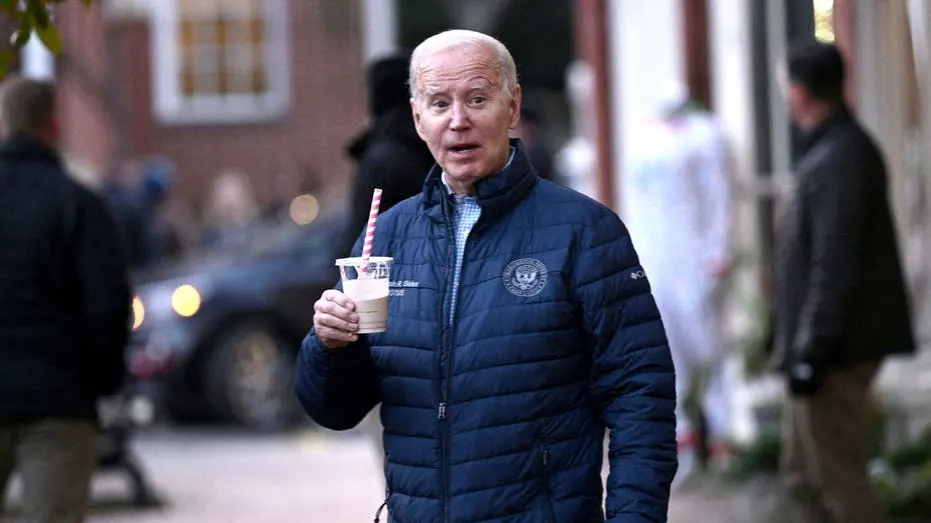
The legal challenge brought by President Biden's attorneys to maintain confidentiality of audio materials from Special Counsel Robert Hur's investigation has been resolved, with the legal team choosing to cease their defence. The recordings, created during Hur's questioning of Biden and his autobiography co-author regarding classified documents handling, had been contested for several months. Biden's legal team justified abandoning the case by noting that Biden is now a private individual with no political aspirations.
The audio recordings and accompanying documents are anticipated to be delivered to the House Judiciary Committee. The extended litigation had revolved around whether these materials warranted continued protection from public view, but Biden's transition from sitting president to private citizen influenced the decision to halt further legal resistance. The specific contents and implications of the recordings will become apparent once they enter the public domain.
In short
- Biden's legal team has abandoned efforts to keep audio recordings from Special Counsel Robert Hur's classified documents inquiry confidential
- The recordings, created during Hur's interviews with Biden and his memoir collaborator, will now be released to the House Judiciary panel
- The decision was prompted by Biden's transition from sitting president to private citizen no longer pursuing elected office
Steelman: both sides, in good faith
The strongest fair case each way — we don't pick a winner.
The case for
These recordings concern a serious investigation into classified documents handling, a matter of legitimate public and national security interest. The House Judiciary Committee possesses proper oversight authority, and releasing these materials serves essential government transparency and accountability. Biden's status as a private citizen substantially weakens executive privilege arguments, yet the substance of discussions during a major investigation into presidential conduct remains fundamentally important to democratic scrutiny.
The case against
Even private citizens retain fundamental privacy rights, and releasing recorded conversations sets a troubling precedent that may discourage future cooperation with government investigations. Audio recordings can be selectively excerpted or presented misleadingly, potentially damaging a private individual's reputation without fair recourse. The classified documents matter was appropriately addressed through the judicial system; releasing these tapes primarily serves political purposes rather than legitimate investigative oversight, and undermines reasonable privacy expectations in official conversations.
Explained simply
Special Counsel Robert Hur was appointed to investigate whether President Biden had improperly retained classified documents after leaving previous roles in government. As part of that investigation, Hur interviewed Biden and the co-author of Biden's autobiography, recording these conversations.
Classified documents investigations concern questions of national security and whether government officials have properly safeguarded sensitive materials. Such investigations typically attract public interest, as the public wants to understand what happened and whether rules about handling classified information were followed.
The audio recordings made during Hur's interviews were initially kept confidential as standard practice during an active investigation. Questions have subsequently arisen about whether these materials should be released to the public, leading to legal disputes over their status.