Video games news, releases, esports and culture — all the biggest gaming stories in one place.
Big chipmakers are already committed to using ASML’s next-generation production technology by as soon as 2028
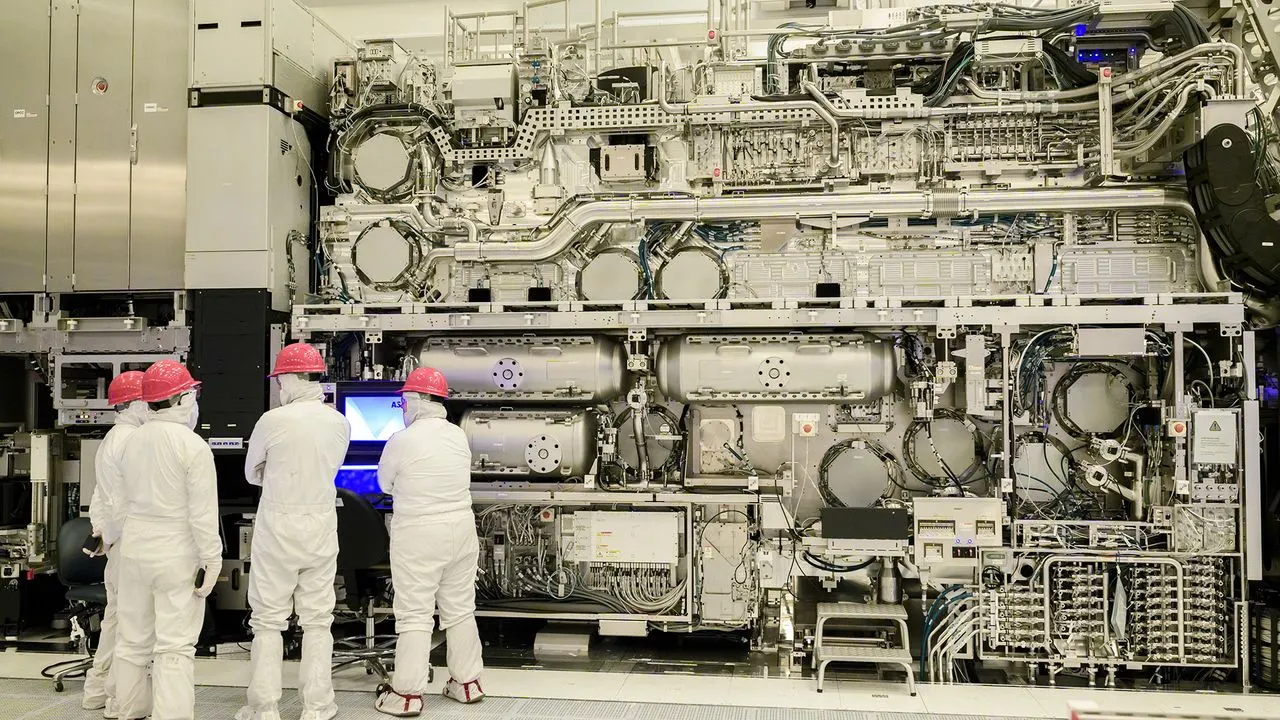
The article's headline indicates that major semiconductor manufacturers have already committed to adopting ASML's next-generation chip production technology, with rollout expected as early as 2028. This points to continued investment in advanced lithography equipment as chipmakers push toward smaller, more efficient transistor designs to keep pace with demand for faster, more powerful processors.
Unfortunately, the full body text of this article could not be retrieved—only page navigation, membership sign-up prompts and website scripts were available, with no substantive reporting content. As such, specific details such as which chipmakers are involved, the exact technology in question (likely a successor to ASML's current High-NA EUV lithography systems), and the financial or strategic implications cannot be confirmed from the available material.
In short
- ASML's next-gen chip tech reportedly has commitments from major chipmakers
- Adoption could begin as soon as 2028
- Full article text was unavailable; details unconfirmed
Steelman: both sides, in good faith
The strongest fair case each way — we don't pick a winner.
The case for
Committing early to next-generation lithography could help chipmakers develop smaller, more efficient transistors and meet demand for faster, more capable processors. Making plans in advance may also secure access to scarce equipment and give manufacturers time to adapt their factories and supply chains.
The case against
Committing before the technology is proven at scale could expose chipmakers to high costs, delays and uncertain returns, especially if the equipment does not deliver expected manufacturing gains. Waiting for more evidence could preserve capital and let firms learn from early adopters before making major investments.
Explained simply
Making a chip involves building tiny circuits on silicon, and lithography is the process that prints their patterns. ASML, a Dutch company, makes the machines used by leading chipmakers to carry out this work; its most advanced systems use extreme ultraviolet light.
Chipmakers invest in newer equipment to make more powerful or efficient chips and to keep improving production. The technology is costly and complex, so decisions to adopt it can shape manufacturers’ plans and the wider supply chain for electronics.