Culture news and discussion on TalkFuse.
Big Walk patch addresses voice volume complaints with restraint: ‘We consider it an important part of the game’s design that you can only hear players who are close to you’
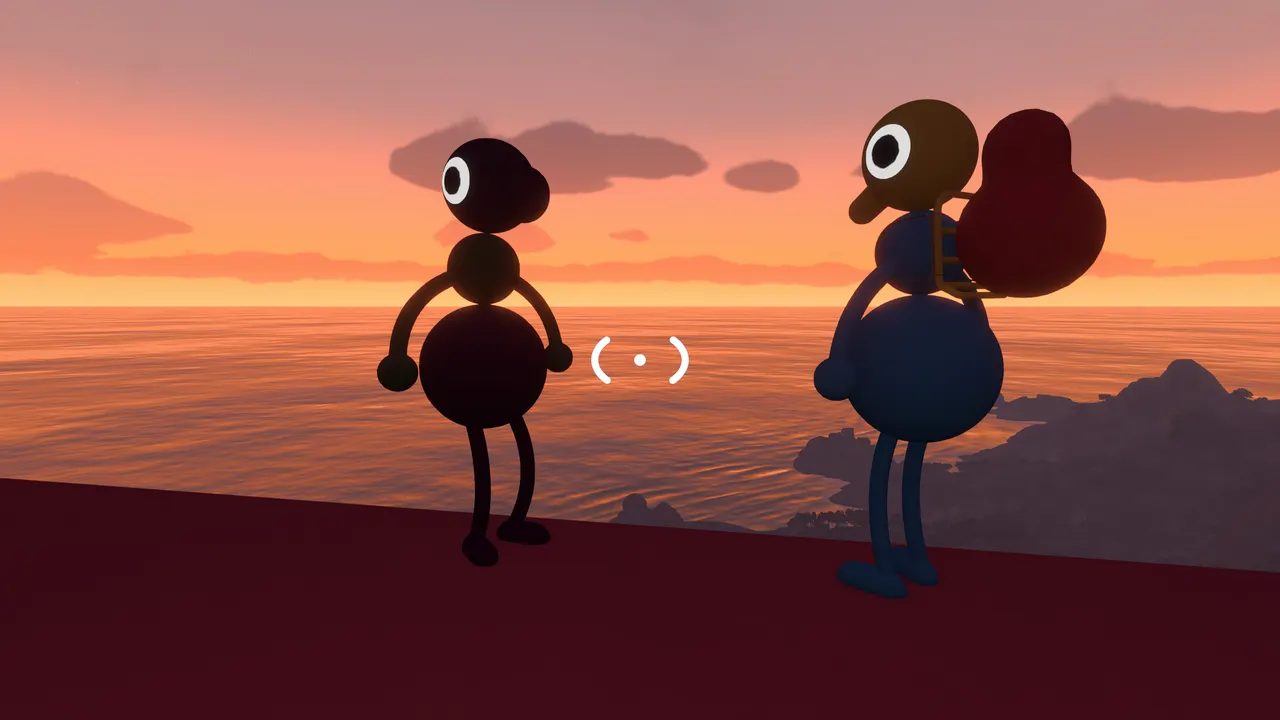
House House has released a patch for co-operative puzzle game Big Walk after some players said its proximity voice chat was too quiet. The developer has raised the volume of quieter microphones but deliberately kept the range at which voices can be heard unchanged, arguing that limited communication over distance is central to the game’s design.
Players should now hear quiet speakers more clearly at close and medium distances, but cannot separately adjust voice and background-audio levels. Big Walk encourages players who are far apart to use radios, gestures, notes and signs; House House says it may consider further changes if feedback warrants them, but will proceed cautiously as a small team.
In short
- Patch boosts quiet microphones without extending voice-chat range.
- Limited hearing distance remains a deliberate design choice.
- Further audio changes may follow player feedback.
Steelman: both sides, in good faith
The strongest fair case each way — we don't pick a winner.
The case for
Players advocating for improved voice communication could reasonably argue that in cooperative gaming, effective teammate coordination is essential and proximity-based restrictions impair this fundamental function. Limiting voices by distance creates unnecessary frustration, reduces accessibility for those with hearing difficulties or in noisy environments, and differs from how most other cooperative games operate. Players need to communicate freely with their teammates to solve puzzles effectively, making proximity restrictions an artificial barrier to quality gameplay.
The case against
House House's position reflects an intentional design philosophy – proximity-based communication creates meaningful strategic constraints and encourages creative coordination through gestures, notes, radios and signs rather than constant voice chat. This unique design choice distinguishes the game and reinforces its puzzle-solving identity in a way that fuller voice communication would undermine. A small developer thoughtfully addressing audio quality whilst preserving core artistic vision, and proceeding cautiously about further changes, represents a measured and coherent design stance.
Explained simply
House House is an independent game studio, and Big Walk is its co-operative puzzle game, designed for groups to explore and solve challenges together. Its voice chat is based on how near players are to one another, so players can hear nearby companions directly.
That system makes distance part of how the game works: groups spread apart can use radios, gestures, notes and signs to communicate. The balance matters because clearer voices may help players understand one another, while extending voice range could change how teams experience exploring separately.
Art Culture Software Technology