Culture news and discussion on TalkFuse.
Billions squandered on post-Brexit food checks as red tape finally faces axe
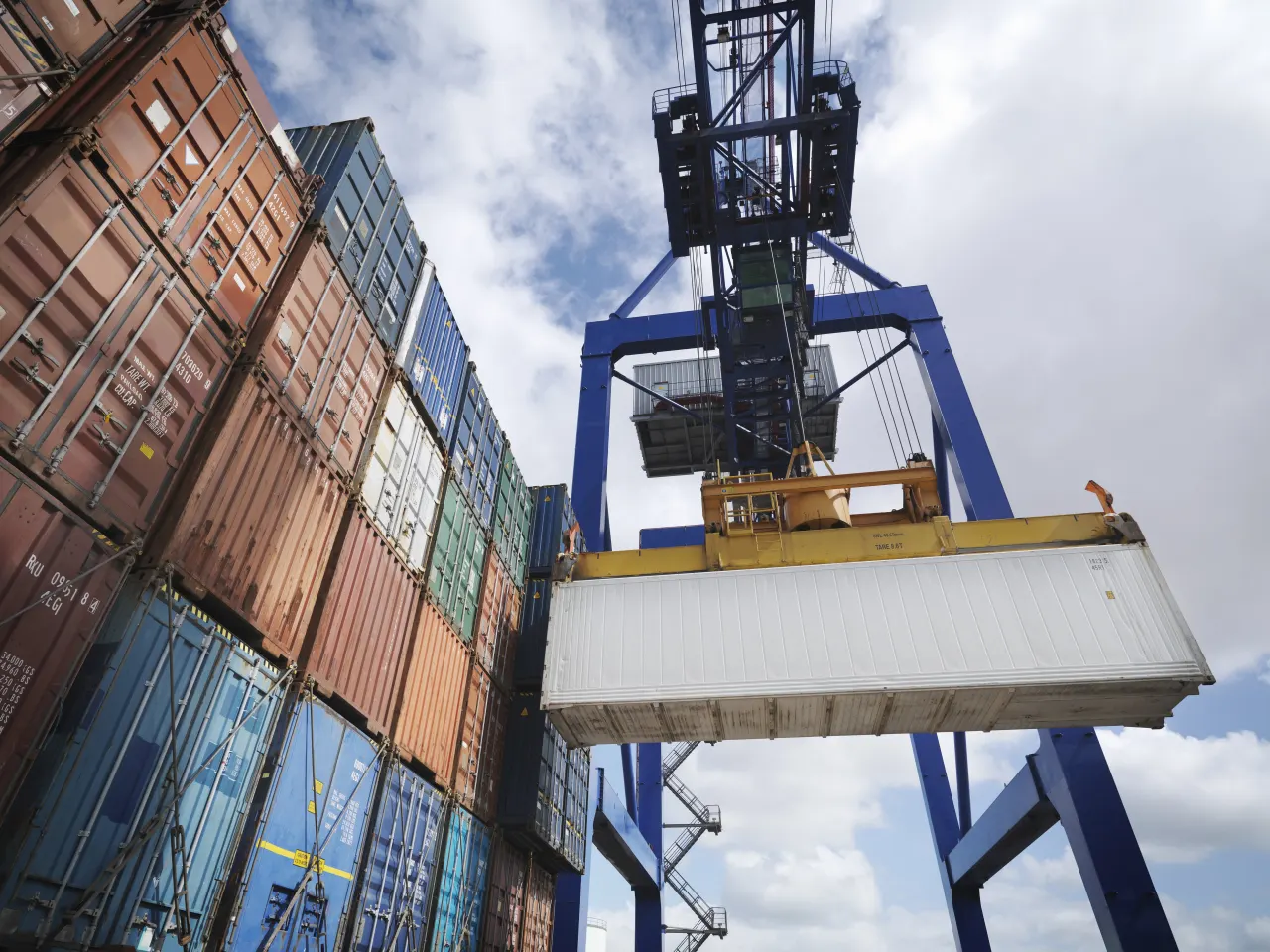
The article says billions of pounds spent preparing for post-Brexit food and border checks may be wasted if a proposed UK-EU food deal removes many of those controls. The deal is expected after a UK-EU summit later this month, with the Prime Minister arguing that closer alignment with EU food rules could add up to 0.4 per cent to GDP.
The National Audit Office estimates £4.7 billion was spent on 13 border-related projects over seven years, including customs systems and food checks. The article cites around £800 million for sanitary and phytosanitary infrastructure, £750 million over three years for the Windsor framework, and hundreds of millions for exporters; Defra also hired 3,000 additional staff. Portsmouth’s port built a facility with £17 million in government funding and £6 million from the council, but checks fell from an expected 80 trailers a day to about two.
In short
- A proposed UK-EU food deal could make costly border-check preparations unnecessary.
- The National Audit Office puts border-project spending at £4.7 billion.
- Portsmouth’s facility handles about two checks a day, against an original plan for 80.
Steelman: both sides, in good faith
The strongest fair case each way — we don't pick a winner.
The case for
A food deal that aligns UK rules with the EU could reduce costly checks and delays, make trade easier for food businesses and consumers, and support economic growth; the Prime Minister says closer alignment could add up to 0.4 per cent to GDP. If the new arrangements make some bespoke facilities and systems unnecessary, changing course could be a sensible response to lower demand rather than a reason to preserve them.
The case against
The reported spending was intended to prepare for border controls after Brexit, so a deal that makes those investments redundant could represent poor value for taxpayers, especially where facilities were built with public funding and see little use. Closer alignment may bring trade benefits, but it could also mean less freedom to set different food rules; supporters of maintaining distinct controls may argue that the costs bought capacity and regulatory autonomy whose value should be weighed beyond current traffic levels.
Culture Europe Food Geopolitics Politics UK World