World news and discussion on TalkFuse.
Birth tourism fight shifts to US ‘tropical maternity ward’ with history of Chinese exploitation
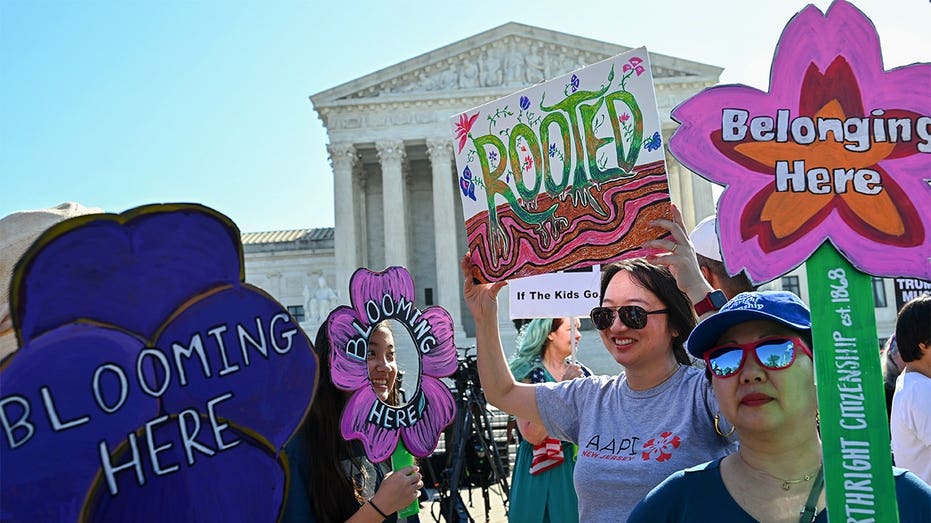
The debate over birthright citizenship in the United States has expanded to the country's Pacific territories, with lawmakers introducing new legislation aimed at closing what they describe as a birth tourism loophole. Republican Rep. Morgan Griffith has proposed a bill targeting birthright citizenship specifically in US territories, while Senator Jim Banks has separately put forward a "Citizenship Act" seeking to amend the 14th Amendment's birthright citizenship clause to address illegal entries and birth tourism more broadly. The moves reflect growing Republican efforts to curb the practice, which critics say allows foreign nationals to travel to US soil specifically to give birth and secure citizenship for their children.
The territory in question has a documented history of being used as a "birth tourism" destination, particularly by Chinese nationals seeking automatic US citizenship for their children without the immigration hurdles associated with the mainland. Banks' bill draws on reasoning from Justice Brett Kavanaugh's past opinions and would redefine children born to certain immigrants as "children of invaders" for citizenship purposes. Former acting ICE director Jonathan Fahey described the Citizenship Act as an "interesting approach" to tackling birth tourism during a Fox Business appearance discussing the legislation.
In short
- New bills target birthright citizenship loopholes in US territories
- Rep. Morgan Griffith and Sen. Jim Banks lead separate legislative efforts
- Banks' bill cites Kavanaugh opinions, targets birth tourism specifically
Steelman: both sides, in good faith
The strongest fair case each way — we don't pick a winner.
The case for
Proponents of restricting birthright citizenship argue that birth tourism exploits a loophole in American law, allowing wealthy foreign nationals—particularly Chinese citizens—to circumvent normal immigration processes by deliberately giving birth on US soil to secure citizenship for their children. They contend this strains public resources, undermines immigration sovereignty, and creates an unfair system where those with financial means can bypass the immigration requirements that ordinary migrants must navigate. The practice, they argue, represents a form of gaming the system that conflicts with the rule of law and the nation's right to control its own citizenship standards.
The case against
Opponents emphasise that the 14th Amendment's guarantee of birthright citizenship is a foundational constitutional principle established to protect fundamental rights and ensure equal protection under law. They argue that restricting it would represent a radical departure from American legal tradition stretching back to Reconstruction and could create discriminatory classifications based on parental immigration status or national origin. Rather than attacking citizenship itself, they contend the focus should remain on controlling immigration at borders, and they note that birth tourism likely represents a statistically minor phenomenon that does not warrant constitutional amendment or erosion of fundamental protections.
Explained simply
Birthright citizenship is the principle that anyone born on US soil automatically becomes a US citizen, regardless of their parents' nationality or immigration status. Birth tourism is when foreign nationals travel to a country specifically to give birth there, securing citizenship for their child. These practices have sparked significant policy debates.
One US Pacific territory has emerged as a known birth tourism destination, attracting foreign nationals—particularly from China—seeking automatic American citizenship for their children. This route to citizenship differs from standard immigration procedures that most aspiring citizens must follow. The territory's role in this pattern has prompted questions about how birthright citizenship should be applied in US territories.
Republican lawmakers have introduced bills to address birth tourism, proposing changes to how birthright citizenship applies in US territories and, in some proposals, amendments to the 14th Amendment which guarantees birthright citizenship. Their bills aim to close what they describe as a loophole that makes American territories attractive to birth tourists. The debate reflects wider disagreement about immigration policy and what should trigger automatic citizenship.