Bizarre AI ad warns of Australia without migrant workers as parties pledge migration cuts
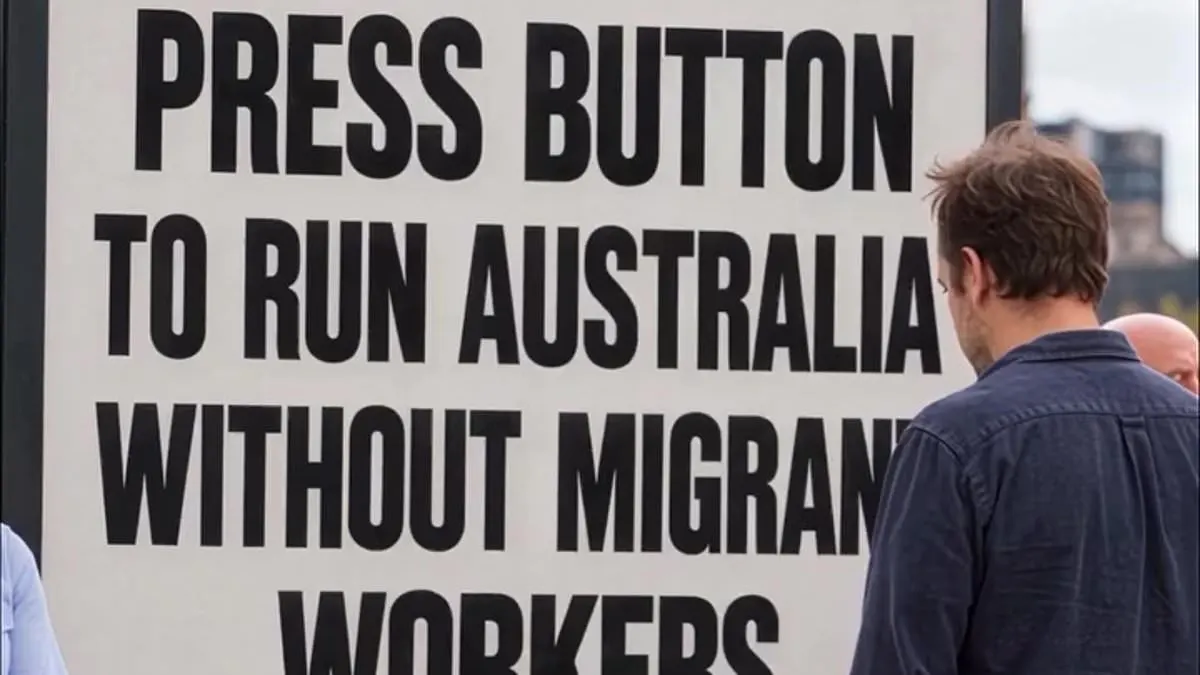
The Australian Hotels Association (AHA) has released an AI-generated advert warning that sharp cuts to migration could leave pubs, hotels and tourism businesses short of staff. The campaign comes as migration becomes a major political issue, and argues that overseas workers help sustain hospitality and regional communities.
The advert imagines customers cleaning hotel rooms, pubs struggling to find chefs and an apple costing $47. The AHA says sponsoring an overseas skilled worker, such as a chef, costs a venue about $35,000, while working holiday makers fill seasonal jobs. One Nation has proposed cutting temporary visa holders by 750,000 over three years; the Coalition has proposed reductions of 650,000 over four years and says it would prioritise skilled migration while retaining working holiday makers.
- Hospitality group warns migration cuts could worsen staff shortages.
- Its AI advert depicts hotels without cleaners and pubs without chefs.
- Coalition and One Nation have proposed large reductions in temporary migration.
New here? Start with this
Australia’s migration debate includes both permanent migrants and people who come on temporary visas for work or travel. Hospitality businesses, including pubs, hotels and tourism operators, employ some overseas workers in skilled roles and seasonal jobs.
The Australian Hotels Association represents businesses in the hotel and hospitality industry. One Nation and the Coalition have proposed reducing the number of temporary visa holders, though their plans differ in scale and in which workers they would retain.
The debate matters because hospitality and tourism employers say they rely on overseas workers to fill some jobs, while parties arguing for lower migration are proposing changes to the size and make-up of the workforce. Those changes could affect businesses, workers and communities that depend on tourism and seasonal employment.
Both sides, in good faith
The strongest fair case each way — we don't pick a winner.
The case for
Hospitality businesses argue that overseas workers fill persistent shortages in roles such as chefs and seasonal work, helping pubs, hotels and tourism operators stay open and supporting regional economies. They say steep, rapid visa cuts could leave employers unable to recruit, raise costs and reduce services, while targeted skilled migration and working holiday schemes can address gaps.
The case against
Advocates of lower migration argue that employers should not rely on a continuing supply of overseas labour when local workers may be available, and that reducing temporary visas could ease pressure on housing and infrastructure. They can support prioritising skilled migrants and retaining working holiday makers while setting lower overall numbers, provided businesses adapt through better pay, training and recruitment.
AI Art Culture Geopolitics Offbeat Politics Technology Weird & Viral World